Ask most people who is at fault when two cars collide during a lane change, and they will say the driver who moved over. That is a reasonable starting assumption, and it is often right. But it is a starting point, not a verdict. In North Carolina, the detail that usually decides these cases is not who changed lanes. It is what each driver did, or failed to do, in the seconds before the cars touched: who was already established in the lane, who signaled, who was watching the road, and how fast each car was going. And because North Carolina still follows contributory negligence, even a small mistake by the driver who was struck can end a claim entirely.
The Legal Starting Point: A Driver Changing Lanes Must Confirm It Is Safe
North Carolina law is direct about this. Under N.C. Gen. Stat. § 20-146(d)(1), on a street divided into marked lanes, a vehicle must be driven as nearly as practicable within a single lane and cannot be moved out of that lane until the driver has first ascertained that the movement can be made with safety. That is the rule adjusters lean on, and it is why the lane-changing driver is usually blamed first.
But the statute asks whether the driver took reasonable care to make sure the move was safe, not whether a collision happened afterward. A driver who checked mirrors, looked over the shoulder, signaled, and moved into a gap that was safe at lawful speeds has a real argument against fault if another car suddenly closed that gap at 20 miles an hour over the limit. The statute also lets officials prohibit lane changes with traffic-control devices (§ 20-146(d)(4)), so a lane change across a prohibited section is a separate problem for the driver who made it.
Signaling Is a Separate Duty, and Neither Duty Excuses the Other Driver
The turn-signal statute, N.C. Gen. Stat. § 20-154, requires a driver who is turning from a direct line to first see that the movement can be made safely and, whenever another vehicle may be affected, to give a signal plainly visible to that driver. A signal must be maintained for the last 100 feet before the movement, and for the last 200 feet where the speed limit is 45 miles per hour or higher. In practice, a lane change is analyzed under both statutes at once.
A missed or late signal is strong evidence of negligence, but it does not end the analysis. North Carolina’s pattern jury instruction on signals makes the same point from the other side: the driver whose lane is being entered must still keep a proper lookout, drive at a lawful speed, and use reasonable care to avoid a collision. Putting on a blinker does not give a driver the right to force their way over, and failing to signal does not let the other driver ignore a lane change they could plainly see.
Four Lane-Change Crash Patterns and Where Fault Tends to Land
1. The classic sideswipe
One car drifts into another that is alongside it, often in a blind spot. The driver moving over is usually at fault, and the damage pattern often supports that. The case gets contested when the other driver was speeding, weaving, or accelerating to close a gap that was safe a moment earlier.
2. Merging lanes, on-ramps, and exits
Signage controls here. Where a yield sign governs a merge, the merging driver generally yields to traffic already on the road. Where a lane ends, the driver whose lane is ending still has to make the move safely. These crashes are common where ramps feed multi-lane roads such as I-40, I-85, and the Durham Freeway (NC 147), because speeds are high and gaps close quickly.
3. Two drivers into the same lane or the center lane
When two vehicles move into the same lane at the same time, each driver usually blames the other, and neither is automatically at fault. On a street with three or more lanes carrying two-way traffic, § 20-146(d)(2) limits when a vehicle may use the center lane, generally for passing when it is clear or preparing for a left turn. Collisions in that lane often turn on who entered first and who had a legal reason to be there.
4. A lane change followed by sudden braking
A driver cuts in front of another with little space and then slows, and the car behind hits them. The rear driver is usually presumed at fault, as we explain in our guide to rear-end collisions in North Carolina. But if the lane change left too little room and the slowdown was abrupt, the rear driver’s insurer has an argument that the lane-changing driver contributed to the crash, and that argument carries extra weight in this state.
When the Other Driver Can Share the Blame, and Why That Matters in North Carolina
North Carolina follows contributory negligence, which can bar an injured person from recovering anything if they are found even slightly at fault. In a lane-change crash, an insurer will look for any evidence that the struck driver was speeding, tailgating, distracted, drifting, or failed to brake when a lane change was plainly underway. If that argument sticks, it can defeat the whole claim.
It also cuts both ways. When both drivers made mistakes, each can be barred from recovering from the other, which is why both insurers work so hard to prove the other side’s error. There are exceptions, including last clear chance and conduct that rises to gross negligence or willful and wanton behavior. Our article on what happens if you were partly at fault explains how those exceptions work.
What This Looks Like on the Ground
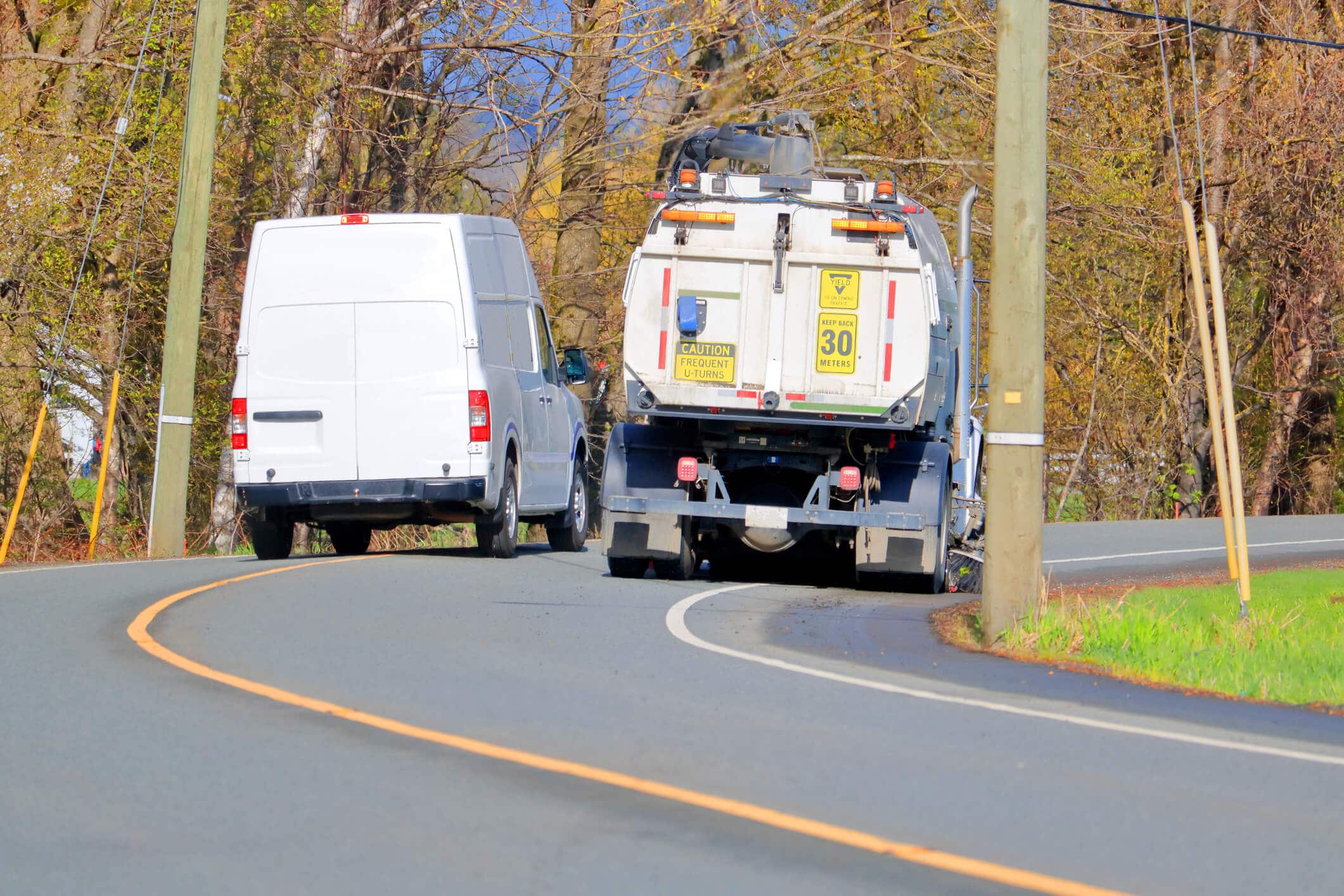
A few patterns show up again and again in lane-change crashes around the Triangle. Picture a driver on a multi-lane road who checks the mirror, signals, and changes lanes, only to be hit by a car that came up from behind at much higher speed than the surrounding traffic. Picture a driver on an exit ramp who changes lanes at the last second without a signal, clipping a car that had no warning. Or picture two drivers who each see an open center lane, both signal, and both move into it. Each of these plays out differently depending on what each driver could see and when, which is why the details matter more than the general rule.
The Evidence That Actually Decides These Cases
Because fault often comes down to a few seconds, the strongest evidence is usually the kind that fades quickly:
- Photos of both vehicles. The location, height, and angle of the damage often show which car was moving sideways into the other. Take photos before the cars are moved or repaired, if it is safe.
- Dashcam footage. It can settle disputes over signaling, speed, and who was in the lane first. See our guide on how dashcam footage can help your claim.
- Vehicle data. Many modern vehicles record speed, braking, and other details for a few seconds around a crash. That data can be lost if a car is repaired, sold, or salvaged, so it is worth asking early that it be preserved.
- The police report. It can include a diagram, statements, and any citations, but it is evidence, not the final word on fault. We explain how to get a police accident report in Durham.
- Independent witnesses. Drivers behind or beside the cars often saw the lane change clearly. If there were none, read what to do when there are no witnesses.
- Nearby cameras. Business and traffic cameras are often overwritten within days.
What If You Were the One Who Changed Lanes?
Changing lanes does not automatically mean you lost your claim. If you were already fully established in the new lane when you were hit, or the other driver was speeding or distracted, the facts may look very different from the default assumption. What you say at the scene matters a great deal. Our post on the risks of admitting fault at the scene explains why a casual apology can be used against you. Your own collision coverage and Med Pay coverage may also help regardless of who was at fault, depending on your policy.
How a Durham Car Accident Lawyer Approaches These Claims
Lane-change cases reward the side that locks down the evidence before it disappears: preserving vehicle data, collecting footage, interviewing witnesses, and building a clear timeline of who was where and when. Given how easily an insurer can turn a legitimate claim into a contributory negligence dispute, that early work matters as much as the facts of the crash itself.
Our team at Constantinou & Burkert Accident Injury Lawyers has represented injured drivers throughout Durham, Wake County, Orange County, and Pender County. If you were hurt in a lane change accident and are not sure how fault will be assigned, our Durham car accident lawyer can review the evidence with you before you give a recorded statement to an adjuster. Call (919) 683-1302 for a free consultation.
Frequently Asked Questions About Lane Change Accidents in North Carolina
Is the driver who changes lanes always at fault in North Carolina?
No. North Carolina law requires a driver to confirm a lane change can be made safely, so that driver is usually blamed first. But the other driver must also keep a lookout, drive at a lawful speed, and use reasonable care, and a speeding or distracted driver can share or bear the fault.
Does failing to use a turn signal automatically make me at fault?
No. A missing signal is strong evidence of negligence, but signaling and confirming the move is safe are separate duties. Fault still depends on the full set of facts, including speed, lookout, and position in the lane.
What if the other car was in my blind spot?
Being in a blind spot does not automatically shift the blame. The lane-changing driver must still take reasonable steps to confirm the move is safe, such as checking mirrors and looking over the shoulder. If the other driver was lingering in the blind spot or speeding, that may be raised as evidence of shared fault.
Can I recover damages if both drivers were partly at fault?
It is difficult in North Carolina. Contributory negligence can bar a claim if the injured driver is found even slightly at fault, and when both drivers share blame, each side may be barred. Exceptions such as last clear chance and gross negligence may apply, so the specific facts matter.
What if the other driver changed lanes and left the scene?
If the driver fled, coverage questions are different. See our article on whether insurance covers hit and run accidents in North Carolina, and report the crash to police as soon as possible.
How long do I have to file a claim after a lane change accident?
In North Carolina, the deadline for a car accident injury claim is generally three years from the date of the crash. See our guide to the car accident statute of limitations in North Carolina for exceptions and details.
This article is for general informational purposes and does not constitute legal advice. For guidance specific to your situation, consult a licensed North Carolina attorney.