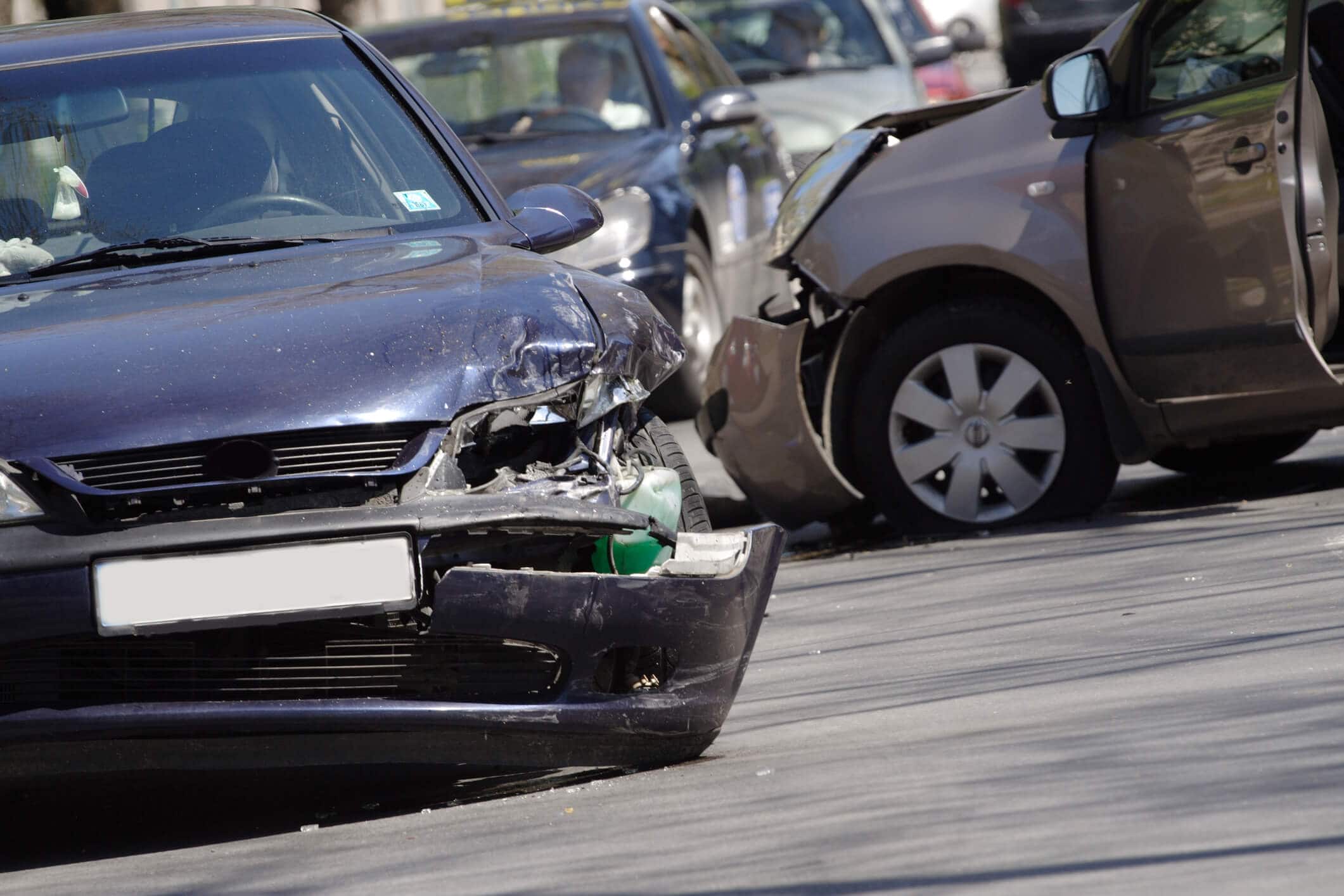
Nobody walks away from a car accident and says, “this was entirely my fault, please hold me fully liable.” That’s not how it actually happens. What actually happens is someone says, “I didn’t even see you coming” while checking on the other driver, or “I was probably going a little fast” to a police officer while trying to be honest and cooperative. Neither sounds like a confession. In North Carolina, however, either statement could later be used as evidence in a dispute over fault.
Why This Matters More in North Carolina Than Almost Anywhere Else
North Carolina follows a contributory negligence rule, one of only a handful of jurisdictions that still does. Under this rule, an injured person whose own negligence contributed to the accident may be unable to recover compensation, even if the other driver was also at fault.
Unlike states that follow comparative negligence rules, North Carolina generally does not simply reduce compensation according to each driver’s percentage of fault. This is why seemingly small, casual statements at the scene can become important when an insurance company or another party later argues that you contributed to the collision.
Contributory negligence also has important exceptions and limitations. For example, North Carolina recognizes the last clear chance doctrine in appropriate cases, which may allow recovery despite a plaintiff’s contributory negligence. Whether that doctrine or another legal issue applies depends on the accident’s specific facts.
The Phrases That Can Cause Problems
Direct admissions of fault are relatively uncommon. What may appear in claim files instead are small, offhand comments that sound reasonable in the moment but may later be used to support an argument that you contributed to the crash:
• “I didn’t see you.” This may sound like an honest description of what happened. However, depending on the circumstances, it could be used to argue that you were not keeping a proper lookout.
• “I was probably going a little fast.” Even a vague, unverified guess about your speed could later be characterized as evidence that you were exceeding a safe or lawful speed, even if your initial estimate turns out to be inaccurate.
• “I should have stopped sooner.” This is a statement about what you believe you could have done differently and could become relevant to an argument about whether you reacted reasonably before the collision.
• “I was distracted for a second.” Mentioning a phone, conversation, or something else that took your attention away from driving could become relevant to a negligence analysis, even when the complete circumstances of the crash have not yet been established.
None of these statements automatically establishes legal fault. Each is simply one piece of potential evidence that may be considered alongside photographs, witness accounts, vehicle damage, traffic laws, crash reconstruction evidence, and other information.
In a state with a contributory negligence rule, however, statements suggesting that your own conduct may have contributed to the accident deserve particular attention.
Why a Reflexive Apology Can Still Matter
Saying “I’m sorry” after a crash does not necessarily establish legal fault. People apologize for many reasons, including concern that someone has been injured or shaken up.
However, an apology may be accompanied by a more specific statement about what happened.
“I’m sorry, I didn’t see you.”
“I’m so sorry, I was going too fast.”
It is the additional factual statement that may become relevant evidence in a later dispute over negligence.
For that reason, you can express concern for anyone who may be injured without speculating about who caused the collision or making assumptions about what you could have done differently.
What to Say at the Scene of a Car Accident
None of this means refusing to cooperate after an accident. The goal is to provide accurate information without filling gaps in your memory with guesses or making conclusions about fault before all of the facts are known.
• Check on everyone involved and call for medical help if needed. Showing concern for someone’s well-being does not, by itself, determine who caused the collision.
• Exchange required identifying and insurance information. Provide the information required after a North Carolina accident without unnecessarily speculating about fault while doing so.
• When speaking with an investigating officer, provide accurate information about what you observed and remember. If you genuinely do not know or remember a detail, avoid guessing or speculating.
• Separate facts from assumptions. “I was heading north on Main Street when the other car entered the intersection” describes what you remember observing. “I probably could have stopped if I’d reacted faster” is an assessment that may not be accurate and could later be interpreted as an admission.
The minutes immediately after a collision can be stressful and confusing. It is reasonable to distinguish between what you actually remember and what you are not certain about.
How Statements From the Accident Can Resurface Later
Statements made at the scene can resurface later in several ways.
An investigating officer may document statements in a crash report, witnesses may remember what they heard, and insurance adjusters may ask about statements made immediately after the collision.
Whether a particular statement or portion of a crash report is admissible in court depends on the applicable rules of evidence. The fact that something appears in a police report does not necessarily mean that every part of the report will automatically be admissible at trial.
Insurance adjusters may also ask about statements made immediately after the collision or during a later recorded statement.
A comment made in the confusion of the first few minutes after a crash can therefore become relevant weeks or months later when the parties are disputing how the accident occurred.
This is one reason to be careful about providing a recorded statement to the other driver’s insurance company before understanding your rights and how the statement could affect your claim.

Should You Give the Other Driver’s Insurance Company a Recorded Statement?
You generally do not have the same contractual relationship with the other driver’s insurance company that you have with your own insurer.
Before giving a recorded statement to the other driver’s insurance company, you may want to speak with an attorney about your rights and how your statement could affect your claim.
This distinction matters because your own automobile insurance policy may contain cooperation requirements. If your own insurer requests information or a statement, review your policy obligations and consider getting legal advice before refusing to cooperate.
Regardless of which insurer is asking questions, provide accurate information and avoid guessing about facts you do not know or remember.
What to Do If You’ve Already Said Something You’re Worried About
If you’ve already made a statement that concerns you, it does not automatically end your claim.
Context matters, and a single offhand comment is not necessarily the same as establishing contributory negligence. The statement must be considered with the other evidence concerning how the collision occurred.
What matters from this point forward is building a complete and accurate picture of the accident through evidence such as photographs, witness accounts, vehicle damage, medical records, available video footage, and a proper investigation rather than allowing one sentence from a stressful moment to define the entire case.
We’ve covered how fault disputes can develop in more detail in our guide on who is at fault in a T-bone accident, and our overview of contributory versus comparative negligence in North Carolina explains why North Carolina’s negligence rule can have such an important effect on personal injury claims.
Frequently Asked Questions
Does apologizing at the scene mean I admitted fault?
Not necessarily. An apology by itself does not automatically establish legal responsibility for a collision. However, factual statements accompanying an apology, such as saying you were speeding, distracted, or did not see another vehicle, may become relevant evidence when fault is disputed.
What should I say to the police if I’m not sure exactly what happened?
Provide accurate information about what you actually observed and remember. If you genuinely do not know or remember a particular detail, avoid guessing about speed, distance, timing, or other facts. It is better to distinguish what you know from what you are uncertain about than to offer speculation as fact.
Can something I said at the scene really prevent me from recovering anything?
Potentially, but a statement does not automatically determine the outcome of a claim. A statement made after the crash may be considered along with other evidence when fault is disputed. If the evidence ultimately establishes that your own negligence contributed to the accident under North Carolina law, contributory negligence may bar recovery. Exceptions or other legal doctrines may also apply depending on the circumstances.
Should I give a recorded statement to the other driver’s insurance company?
Before giving a recorded statement to the other driver’s insurance company, consider speaking with an attorney about your rights and how your statement could affect your claim. Your obligations to your own insurance company may differ because your policy may require you to cooperate with the insurer’s investigation.
Schedule a Free Consultation With Our Durham Team
What you say in the minutes after a crash can become important in North Carolina because the state’s contributory negligence rule can have significant consequences when an injured person’s own conduct contributed to the accident.
If you’re worried about something you said at the scene or are unsure how to handle questions from an insurance adjuster, Constantinou & Burkert Accident Injury Lawyers can review the circumstances of your accident and explain your legal options.
Contact our Durham personal injury lawyers today to schedule a free consultation before providing a recorded statement to the other driver’s insurance company.
This article is for general informational purposes and does not constitute legal advice. For guidance specific to your situation, consult a licensed North Carolina attorney.