After a crash with no witnesses, most people assume the case is their word against the other driver’s and that without someone who saw it happen, there is no way to establish what actually occurred. Insurance adjusters know this assumption exists and count on it. It leads people to accept low settlements, fail to preserve critical evidence, or conclude their claim is not worth pursuing at all.
The assumption is wrong. Witness testimony is one category of evidence in a car accident case. It is not the most reliable category, and in many cases it is not the most important one. Physical evidence, electronic data, and documentation gathered in the hours and days after a crash can establish fault clearly and compellingly even when nobody was standing on the sidewalk watching.
Here is what that evidence looks like, where it comes from, and how quickly some of it disappears if it is not preserved.
Witnesses Are One Type of Evidence. They Are Not the Only Type.
Human witnesses are actually among the more unreliable forms of evidence in crash cases. Research on eyewitness memory consistently shows that people under stress, observing a fast-moving event from an angle, often reconstruct what they saw rather than recall it. A witness who is confident they saw exactly what happened may be describing a mental model that does not accurately reflect the physical reality of the crash sequence.
Physical and electronic evidence does not have this problem. A skid mark does not misremember where it started. A vehicle’s event data recorder does not modify its output based on what it thinks should have happened. Surveillance footage does not fill in gaps with inference. The evidence that does not depend on human memory is often more useful in establishing fault than the evidence that does.
This is the framing that changes how a no-witness crash case should be approached from the first hours after the collision.
Physical Evidence at the Scene
The crash scene itself contains evidence that begins degrading immediately. Weather, traffic, road maintenance, and time all work against preservation. Photographs taken at the scene by the people involved in the crash are often the only permanent record of physical evidence that existed for at most a few hours.
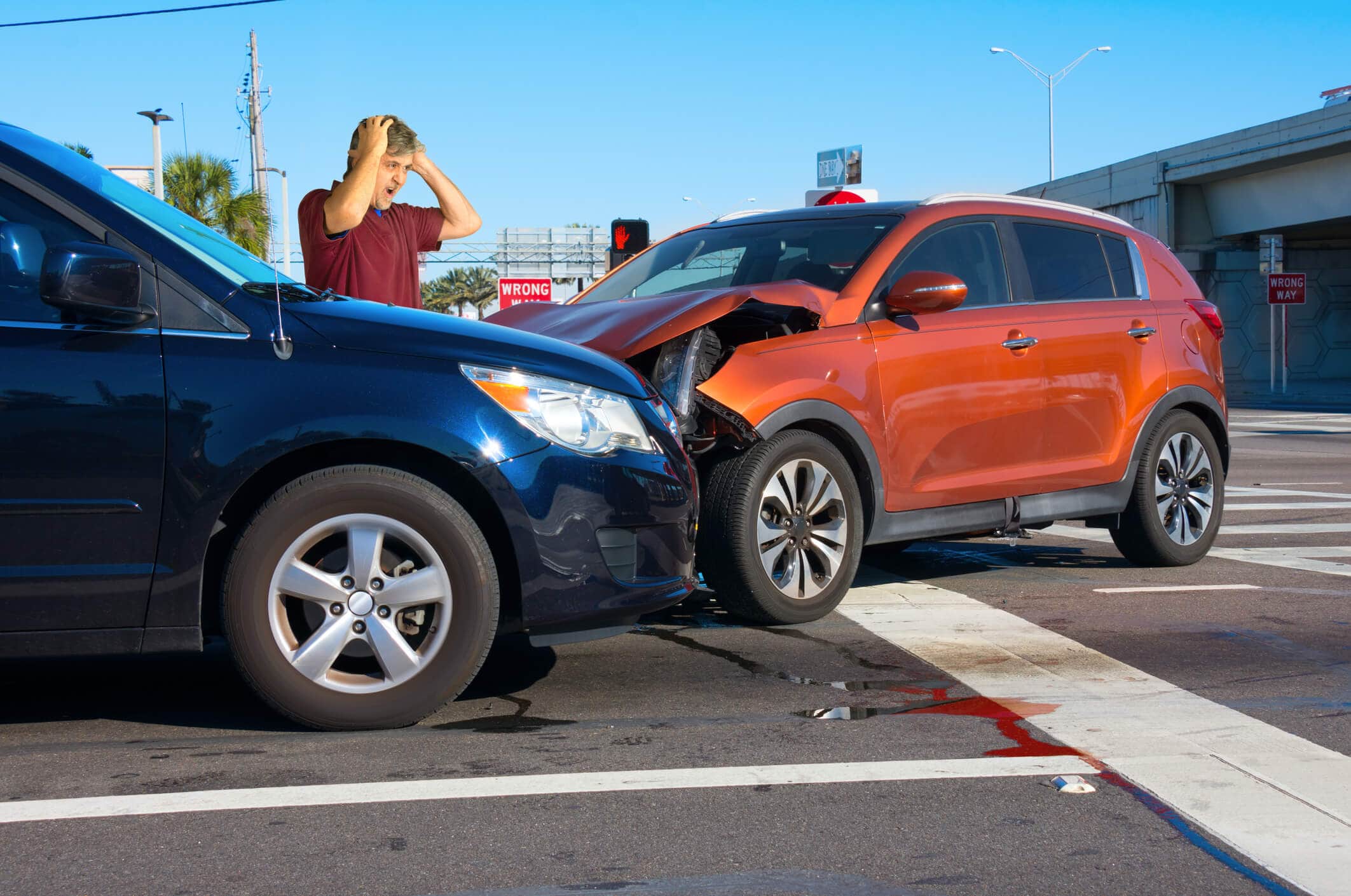
What to photograph immediately if you are able: the final resting positions of both vehicles before they are moved; skid marks, gouge marks, and debris fields on the roadway; damage to both vehicles from multiple angles; the surrounding environment including traffic controls, sight lines, road conditions, and any fixed objects involved in the crash; and the point of impact as indicated by debris concentration and road surface damage.
Skid marks, in particular, are analyzed by accident reconstruction experts to determine pre-impact speeds, braking behavior, and the sequence of events leading to the collision. A skid mark that tells a story of sudden braking or delayed reaction is physical evidence that supports a fault narrative independent of testimony. In North Carolina, where the contributory negligence rule bars recovery entirely if the plaintiff is found even partially at fault, establishing that the other driver’s actions were the sole cause of the crash is critical, and physical evidence at the scene is often the foundation of that argument.
Electronic Data: The Evidence Most People Do Not Know Exists
Modern vehicles are equipped with event data recorders, commonly called black boxes, that capture a snapshot of vehicle performance data in the seconds before, during, and after a collision. The data captured typically includes vehicle speed, throttle position, brake application, steering input, seatbelt status, and airbag deployment timing.
This data can be retrieved by accident reconstruction experts using specialized hardware and software. The National Highway Traffic Safety Administration has established standards for EDR data that make the information reliable and admissible in litigation. A vehicle whose EDR shows it was traveling at 58 mph in a 35 mph zone with no brake application before impact has produced its own testimony about the crash, regardless of whether anyone witnessed the event.
EDR data must be preserved through a formal legal process, because it can be overwritten by subsequent vehicle operation. If the at-fault driver’s vehicle is repaired or driven after the crash, the EDR data may be lost. Preservation letters and spoliation notices sent through an attorney in the days after a crash put the opposing party on notice that the data must be preserved and create legal liability if it is destroyed.
Beyond the vehicle’s own data, several other electronic sources routinely provide crash-relevant information:
• Dashcam footage from either vehicle or from other vehicles that were in the area, even if those drivers did not stop
• Cell phone records showing whether the at-fault driver was on a call or actively using a device at the time of the crash, obtainable through subpoena
• GPS and navigation data from the at-fault driver’s phone or vehicle system showing speed and route
• Toll and traffic camera systems maintained by NCDOT along major corridors, which may have captured the vehicles in the period immediately before the crash
Surveillance and Traffic Camera Footage
North Carolina’s road network, particularly in the Triangle area and along major commercial corridors, is monitored by a combination of NCDOT traffic cameras, red light cameras at certain intersections, and private surveillance systems at adjacent businesses. A crash that occurred at or near a business parking lot, a gas station, a fast food restaurant, or any commercial property may have been captured on a camera that the drivers involved did not notice.
The critical issue with surveillance footage is retention. Most commercial surveillance systems overwrite footage on a rolling basis, sometimes as quickly as 48 to 72 hours. Evidence preservation letters sent to businesses near the crash within the first day or two after the collision are the only reliable way to prevent footage from being overwritten before it can be reviewed. This is a standard step in an attorney’s immediate post-retention action plan and one of the clearest examples of why early legal involvement matters in a no-witness case.
The Police Report and What It Actually Establishes
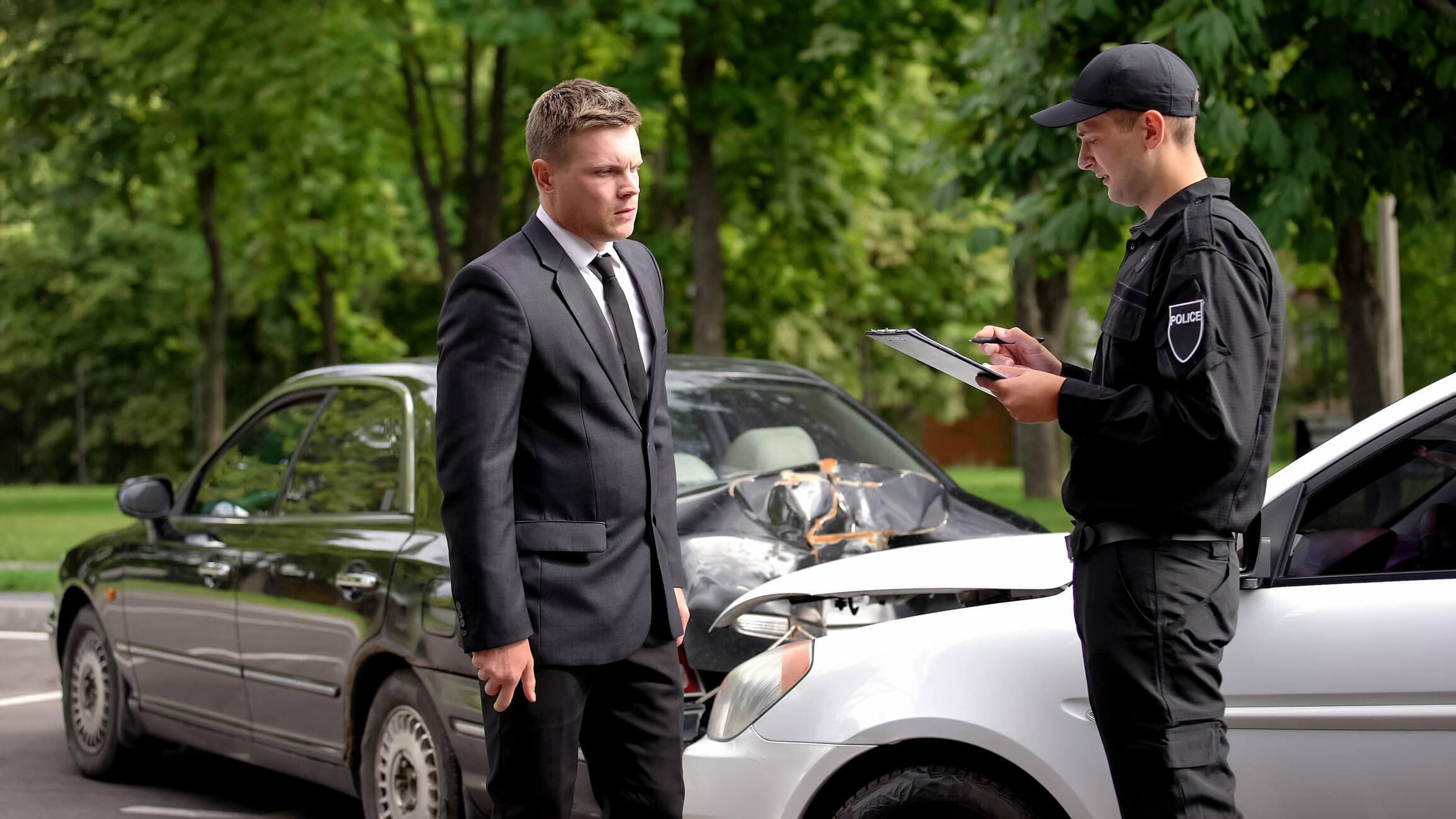
In most North Carolina crashes, law enforcement responds and generates a crash report. That report is not simply an administrative record: it includes the investigating officer’s observations of the physical evidence at the scene, statements from the parties and any witnesses who were present, and, in many cases, a determination or notation about which driver the officer believed was at fault based on the evidence available.
An officer’s fault determination in the crash report is not binding on the civil claim, but it carries significant weight in negotiations with the insurance company and can be introduced as evidence in litigation. An officer who documented that the at-fault driver ran a red light based on physical evidence and the damage pattern has provided something close to official corroboration of the plaintiff’s account, even with no civilian witness.
If law enforcement did not respond to the crash, North Carolina law requires the involved parties to file a written crash report with NCDOT under certain circumstances. Consulting with an attorney about whether a report should have been filed, and whether any reporting obligation was missed, is relevant to the overall case picture.
Accident Reconstruction: When the Evidence Needs Interpretation
In contested cases, accident reconstruction experts synthesize the physical and electronic evidence into a professional opinion about how the crash occurred and who was responsible. These experts, typically engineers with specialized training in crash dynamics, can testify to opinions about vehicle speeds, collision angles, driver reaction times, and the sequence of events, all derived from the physical evidence rather than from witness accounts.
Accident reconstruction is typically employed in higher-value cases where the liability dispute is significant enough to justify the cost of expert retention. But a reconstruction opinion rests on the physical evidence gathered at the scene and in the immediate aftermath of the crash. A case where the scene photographs are thorough, the EDR data was preserved, and the vehicle damage was documented before repair is a case where reconstruction is possible. A case where none of that was done is a case where reconstruction has nothing to work from.
This is another reason why the actions taken in the hours and days after a no-witness crash are more determinative of the outcome than whether anyone happened to be watching at the moment of impact.
What to Do Immediately After a No-Witness Crash
The priorities in the immediate aftermath, in order of time-sensitivity:
- Document the scene thoroughly with photographs before vehicles are moved if it is safe to do so
- Request law enforcement response so a crash report is generated
- Note the make, model, and license plate of the other vehicle and photograph the other driver’s insurance and license information
- Identify and note any businesses, traffic cameras, or other potential surveillance sources in the immediate area
- Seek medical evaluation even if injuries do not seem serious; delayed symptom onset is common in soft tissue injuries, and a same-day medical record establishes the connection to the crash
- Contact a personal injury attorney before speaking substantively with the other driver’s insurance company; the insurance adjuster’s interests are not aligned with yours
At Constantinou & Burkert Accident Injury Lawyers, our Durham personal injury attorneys handle personal injury claims throughout North Carolina, including cases where the physical and electronic evidence has to carry the full weight of the liability argument. With over 40 years of combined experience, we know how to navigate complex cases and identify the evidence that can make a meaningful difference. Call (919) 683-1302 for a free consultation.
This article is for general informational purposes and does not constitute legal advice. For guidance specific to your situation, consult a licensed North Carolina attorney.
Frequently Asked Questions
Can I still win a car accident case in North Carolina without witnesses?
Yes. Many successful personal injury claims in North Carolina are built entirely on physical and electronic evidence without civilian witness testimony. Vehicle event data recorder data, scene photographs, surveillance footage, the police report, expert reconstruction opinions, and medical records documenting the injuries and their consistency with the described crash mechanism can collectively establish fault and damages without anyone having observed the collision firsthand.
What is the most important evidence to preserve after a no-witness crash?
Time-sensitive evidence takes priority: surveillance footage from nearby businesses, which may be overwritten within 48 to 72 hours; event data recorder information from both vehicles, which can be overwritten by subsequent operation; and photographs of the crash scene before it is disturbed or cleaned. An attorney can send preservation letters to third parties and the opposing party to prevent this evidence from being destroyed, but the letters need to go out quickly after the crash to be effective.
What if the other driver is lying about what happened?
This is exactly the situation where physical and electronic evidence matters most. A driver who gives a false account of the crash sequence is making claims that the physical evidence can contradict. Skid mark locations, vehicle damage patterns, EDR speed data, and crash reconstruction analysis all reflect what the physics of the collision indicate actually happened, independent of either driver’s account. A false account that conflicts with the physical evidence is a false account that a skilled attorney can challenge effectively.
Does North Carolina’s contributory negligence rule make no-witness cases harder?
North Carolina’s contributory negligence rule, which bars recovery if the plaintiff is found even partially at fault, makes establishing the other driver’s sole fault critical in any North Carolina personal injury case, with or without witnesses. In a no-witness case, physical evidence becomes more important because no civilian testimony can corroborate or contradict the parties’ accounts. A well-preserved physical evidence record is a more reliable basis for establishing sole fault than conflicting witness testimony is.
Should I talk to the other driver’s insurance company before consulting an attorney?
No. The other driver’s insurance adjuster is employed by and paid by the insurance company, whose interest is minimizing the payout on your claim. In a no-witness case where the facts are disputed, an early recorded statement made before you understand the full evidence picture can be used against you. Consulting with a personal injury attorney before providing any statement to the opposing insurance company protects your ability to present the strongest version of your claim.