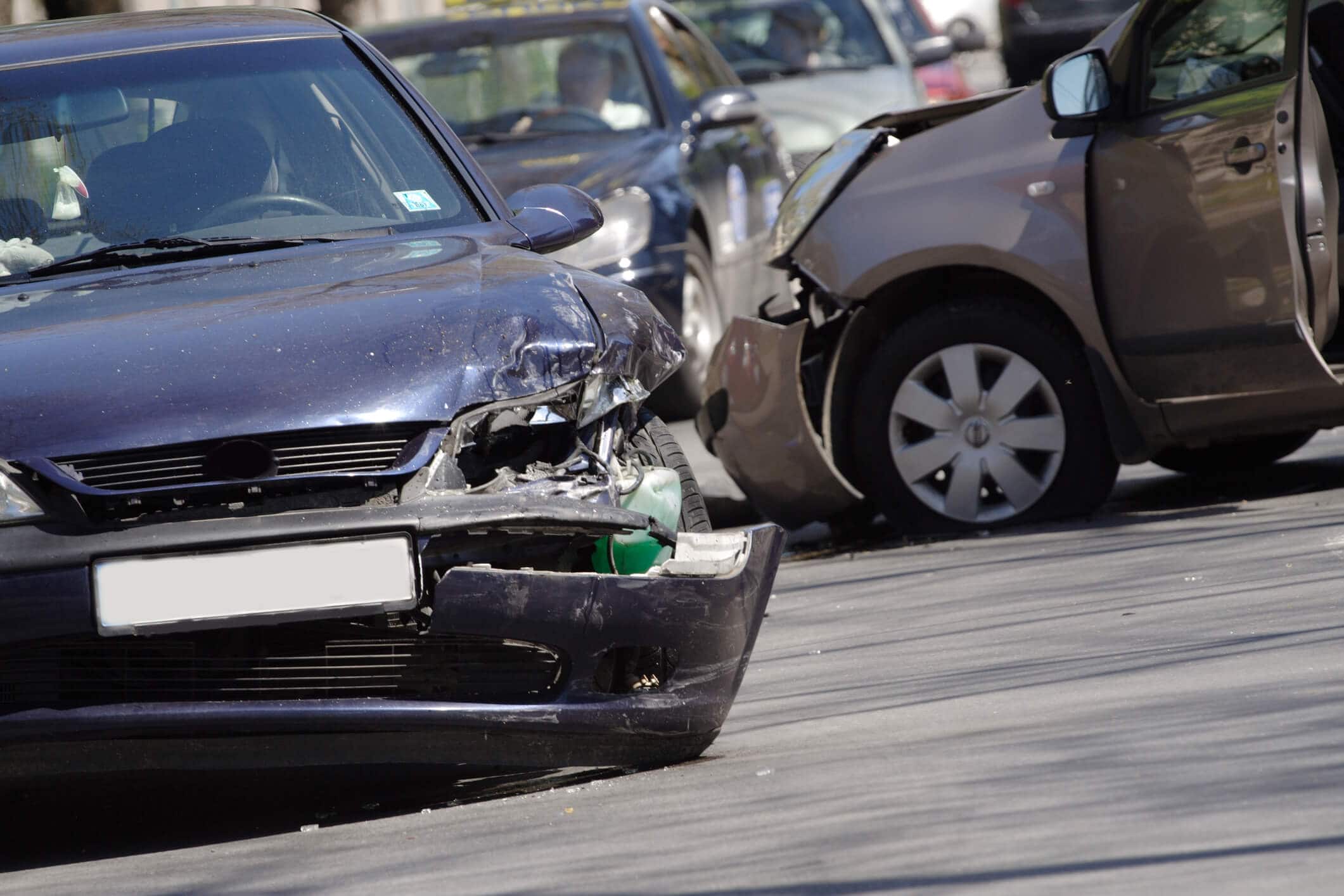
Rear-end collisions are among the most common types of car accidents on North Carolina roads. Determining fault in these crashes is crucial for obtaining compensation for injuries, vehicle damage, and other losses. Understanding the law, contributory negligence rules, and the factors that influence liability can protect your rights and improve the outcome of your case. The attorneys at Constantinou & Burkert Accident Injury Lawyers provide guidance, representation, and expert support for clients in Charlotte, Asheville, and across the state. When a crash occurs, understanding the reasons behind the collision, the responsibilities of each driver, and the immediate steps to take can be crucial, as it may determine whether you receive full compensation or face unexpected financial burdens.
Rear-End Collisions Typically Assign Fault to the Following Driver
In North Carolina, as in many other states, there is a legal presumption that the driver who strikes another vehicle from behind is at fault. This presumption exists because drivers are expected to maintain a safe distance, control their speed, and anticipate stopping when traffic conditions require. Proper use of brakes and attention to the flow of vehicles in all lanes are essential to avoid collisions. Failure to follow these rules can constitute negligence and create liability for the rear driver. Even when the front driver contributes to the crash, such as stopping suddenly or making unsafe lane changes, the law still generally places the responsibility on the rear driver. However, the ability to recover damages may vary depending on the circumstances.
Determining fault in rear-end collisions often relies on the testimony of witnesses and statements from the people involved, as well as careful documentation of the accident scene. Evidence may include photos of vehicle damage, the positions of the cars in their lanes, and the state of the brakes on each vehicle. If a loved one was injured, the case may involve evaluating medical records, treatment, and ongoing care, and it could provide someone with the chance to pursue compensation for losses. Ultimately, examining all available facts, including statements from one or more witnesses, ensures that the proper parties are held accountable and that victims have the opportunity to protect their rights.
Contributory Negligence Rule Impacts Compensation
North Carolina follows the contributory negligence rule, which means that if an injured party is even slightly at fault for a collision, they may be barred from recovering damages. For example, if a rear driver is speeding or tailgating but the front driver abruptly stops without reason, both parties’ actions are considered in evaluating liability. This strict standard emphasizes the importance of understanding the doctrine and gathering evidence immediately after a crash. Drivers must also recognize that insurance companies often use contributory negligence as a defense to reduce or deny claims. Working with a knowledgeable car accident attorney ensures your case is presented clearly and maximizes your chances of compensation for medical bills, vehicle damage, pain, suffering, and lost wages.
Key Factors Determining Liability in Rear-End Crashes
Several factors influence who is responsible in a rear-end collision. The following distance is critical; tailgating is a common cause of crashes and strengthens the presumption that the rear driver was negligent. Speed also plays a significant role, as excessive velocity reduces reaction time and increases the severity of injuries and property damage. Malfunctioning brake lights or obscured signals on the front vehicle can sometimes shift partial responsibility, especially if the driver failed to use the lights properly. Traffic conditions, including congestion, sudden stops, and lane changes, must be considered, as well as the light and visibility at the time of the crash. Weather and road conditions, such as slippery surfaces or poor visibility, can contribute to accidents and affect fault determinations.
Driver actions—like texting a message, using a phone, or driving under the influence of alcohol or drugs—directly impact liability in court and insurance investigations. Understanding each driver’s duty, managing expectations, and maintaining the attorney-client relationship when working with a lawyer are essential steps in protecting your right to compensation. Proper handling of evidence, witness statements, and accident documentation ensures that the name and credibility of all parties are preserved and helps defend against unfair charges, giving victims the best chance to secure the compensation they deserve.
Gathering Evidence at the Accident Scene
Evidence is essential for establishing fault and supporting compensation claims. Drivers should document the accident scene thoroughly, taking photos of vehicles, license plates, skid marks, road conditions, and traffic signs. Witness statements from passengers or bystanders can provide additional perspectives on the collision. Police reports offer a formal record of vehicle positions, driver statements, and citations issued. Medical records document injuries and treatments, helping prove damages for compensation. Exchanging insurance information with all parties ensures that claims can be filed correctly. These steps form the foundation of a strong personal injury case, providing attorneys with the evidence needed to demonstrate negligence, liability, and damages effectively.
Understanding the Role of Vehicle Damage in Determining Fault
Vehicle damage is often a key indicator in determining fault and understanding the circumstances of a rear-end collision. Rear-end crashes typically result in damage to the back of the front vehicle and the front of the rear vehicle, which may provide clues about impact speed, braking, and collision dynamics. Accident reconstruction experts may analyze these patterns to support a claim or defense in court. Photographs, inspection reports, and repair estimates help insurance companies and courts understand the severity of the crash. Proper documentation of property damage ensures victims can recover costs associated with vehicle repairs, replacement, and other related expenses, such as towing and storage fees.
Common Injuries from Rear-End Collisions
Rear-end collisions can cause a wide range of injuries, some apparent immediately and others that develop over time. Whiplash and neck injuries are common due to the sudden jerking motion during impact. Back injuries, including herniated discs, are also frequent and may require extensive treatment. Concussions and other brain injuries can result from the force of the crash, even when no external head trauma is visible. Broken bones, soft tissue injuries, and internal injuries are possible, depending on speed and collision severity. Emotional trauma, stress, and anxiety are often overlooked but can significantly impact recovery. Documenting symptoms and seeking medical care promptly is essential for supporting compensation claims for medical bills, pain, suffering, and lost wages.
Filing a Claim in North Carolina
After a rear-end collision, victims should take several necessary steps. Seeking medical attention ensures that injuries are treated promptly, which also documents damages for your claim. Notifying insurance companies is required, but drivers should provide accurate information without admitting fault. Documenting all damages, including medical bills, property damage, and lost wages, strengthens the case. Consulting an attorney helps protect legal rights and guides the claims process. Gathering evidence such as photos, witness statements, and police reports is essential. Finally, evaluating settlement options allows victims to compare offers from insurance companies with potential court outcomes. Car accident attorneys from Constantinou & Burkert provide personalized guidance and advocacy to maximize compensation and reduce the risk of disputes.
The Importance of a Personal Injury Lawyer
A Personal Injury Lawyer in Durham plays a critical role in rear-end collision cases. These attorneys evaluate liability, investigate the accident, and collect evidence to build a strong claim. They also handle negotiations with insurance companies, advise clients on legal options, and represent them in court if necessary.
Personal injury lawyers understand the nuances of North Carolina’s contributory negligence law, ensuring that clients do not lose compensation due to minor fault or misunderstandings. Their expertise in valuing damages for medical expenses, vehicle repairs, pain and suffering, and lost wages allows victims to pursue the compensation they deserve. Working with an experienced attorney reduces stress and increases the likelihood of a fair settlement or court judgment.
Insurance Companies and Settlement Negotiations
Insurance companies often seek to minimize payouts in rear-end collision cases. Understanding how claims are evaluated is essential. Insurers review police reports, photos, medical records, and statements to determine liability. Initial settlement offers may underestimate damages, making attorney representation important. Lawyers can challenge inaccurate information, disputed liability, and lowball offers. If negotiations fail, filing a lawsuit may be necessary to pursue full compensation. Attorneys advocate for clients’ rights, ensuring insurance companies honor policies and that victims receive reimbursement for medical treatment, vehicle repair, lost wages, and emotional suffering.
Exceptions to Presumed Fault in Rear-End Collisions
Although rear drivers are generally presumed at fault, exceptions exist. Sudden mechanical failures, such as brake or steering malfunctions, may absolve the rear driver from liability. Negligence by the front driver, including illegal lane changes, abrupt stops, or malfunctioning brake lights, can shift responsibility. Multi-vehicle chain collisions may involve several drivers contributing to the crash. Emergency maneuvers to avoid pedestrians, animals, or road debris can justify abrupt stops. Understanding these exceptions is essential when preparing a case, as insurance companies and courts carefully examine all contributing factors before assigning fault.
Steps to Protect Your Legal Rights
Immediate action after a rear-end collision is crucial for protecting legal rights. Preserve the accident scene whenever possible, avoid moving vehicles unless necessary for safety, and take detailed notes on time, location, traffic conditions, and driver behavior. Secure witness contact information and statements, and document injuries thoroughly. Following medical treatment plans diligently not only supports recovery but also strengthens your compensation case.
Consulting experienced Car Accident Lawyers in Durham can make a significant difference in navigating complex insurance processes, protecting critical evidence, and complying with North Carolina’s contributory negligence rules. Acting quickly ensures a more substantial claim, increases the likelihood of fair compensation for damages and suffering, and helps victims understand their rights while pursuing recovery for medical bills, vehicle damage, lost wages, and pain and suffering.
The Role of the Police and Official Reports
Police reports are critical in determining fault and evaluating claims. Officers document facts such as vehicle positions, driver statements, and road conditions. Citations for speeding, failure to stop, or impaired driving provide evidence of liability. Official records from police reports help insurance companies and courts review the accident objectively. Victims should obtain copies of the police report as soon as possible, as this document forms a key part of evidence collection and claim substantiation.
Recovering Damages from Rear-End Collisions
Victims may pursue compensation for a range of damages following a rear-end collision. Medical expenses include emergency care, ongoing treatment, rehabilitation, and therapy. Property damage covers vehicle repair or replacement costs. Lost wages and income are recoverable if injuries prevent returning to work. Pain and suffering compensation addresses physical and emotional distress caused by the accident. Loss of enjoyment, which refers to limitations on lifestyle or daily activities, can also be included in claims. An experienced car accident attorney ensures that all eligible damages are claimed and that settlements or court awards reflect the full extent of losses.
Understanding Liability in Complex Situations
Not all rear-end collisions are straightforward. Multiple-vehicle accidents, high-speed collisions, distracted or impaired drivers, and contributory negligence situations complicate fault determination. For example, chain-reaction crashes may involve several parties sharing liability. Drivers using phones or under the influence of drugs or alcohol may face increased responsibility. Even a minor fault by the front driver can influence the case outcome. Understanding these complexities and gathering appropriate evidence ensures that liability is accurately assessed and compensation is fairly awarded.
Importance of Prompt Legal Consultation
Early consultation with a car accident lawyer significantly impacts the outcome of a rear-end collision case. Prompt action helps preserve evidence, prevents insurance companies from taking advantage of misstatements, and ensures victims understand their rights under North Carolina law. Attorneys provide guidance on settlement options, litigation, and trial preparation. The team at Constantinou & Burkert Accident Injury Lawyers evaluates each case individually, protecting clients’ interests and providing strategic legal advice throughout the claims process.
The Court Process for Rear-End Collision Cases
If a fair settlement cannot be reached, pursuing a lawsuit may be necessary. Filing a complaint initiates court action and formally notifies the at-fault driver. During discovery, attorneys gather evidence, take depositions, and consult experts. Courts often encourage mediation or negotiation before trial. If no resolution occurs, a judge or jury determines liability and damages. Experienced lawyers guide clients through every step, ensuring informed decisions, proper representation, and advocacy for maximum compensation.
Safety and Prevention on North Carolina Roads
Preventing rear-end collisions requires attention to safe driving practices. Maintaining a safe following distance, observing speed limits, and monitoring traffic conditions are essential. Drivers should pay attention to brake lights and stop signs, avoid distractions, and refrain from driving under the influence of alcohol or drugs. Adjusting for weather, road conditions, and traffic ensures safer travel. Following these guidelines reduces the likelihood of accidents, injuries, and liability.
Seeking Help After a Loved One’s Accident
Families affected by rear-end collisions often need legal and emotional support. Attorneys help navigate insurance claims, medical treatment, and potential lawsuits while advocating for the injured party’s best interests. Timely legal guidance ensures that families can focus on recovery without additional stress, while protecting rights and maximizing compensation for medical expenses, property damage, and lost income.
The Importance of Documentation and Communication

Learn how fault is determined in North Carolina rear-end collisions and how Constantinou and Burkert Accident Injury Lawyers in Durham NC can help
Thorough documentation improves the chances of a favorable outcome. Accident scene photos capture vehicle positions, damage, and roadway conditions. Medical records track injuries and treatment. Police reports provide official statements and citations. Witness statements offer additional perspectives, and communication logs document interactions with insurance companies and other parties. Accurate records strengthen claims and provide a solid foundation for negotiations or court proceedings.
Support from Constantinou & Burkert Accident Injury Lawyers
The firm offers comprehensive services for car accident victims. Attorneys investigate accidents, collect evidence, and manage claims. They provide legal representation in court or mediation and offer personalized guidance to ensure clients understand their options. The team prioritizes client-focused attention, transparent communication, and diligent support throughout the legal process. By handling the complex details of liability, insurance disputes, and settlements, the firm allows clients to focus on recovery and well-being.
Maximizing Recovery in Rear-End Collision Cases
Successful recovery depends on evidence, legal expertise, and strategic action. Attorneys at Constantinou & Burkert establish clear liability, quantify damages, and protect clients from insurance company tactics. Understanding North Carolina’s contributory negligence law ensures that victims do not lose compensation due to minor fault. The team works to secure fair settlements or trial verdicts, maximizing compensation for medical treatment, vehicle repair, lost wages, and emotional suffering. Clients benefit from thorough investigation, expert negotiation, and professional representation to achieve the best possible results.
Conclusion: Protecting Your Rights After a Rear-End Collision
Determining fault in rear-end collisions in North Carolina involves analyzing driver actions, road conditions, vehicle performance, and legal rules, including contributory negligence. Victims should document the scene, seek medical care, consult experienced car accident attorneys, and pursue all available compensation. The lawyers at Constantinou & Burkert Accident Injury Lawyers are committed to guiding clients in Charlotte, Asheville, and across the state, protecting their rights, and pursuing maximum recovery. Prompt action, careful investigation, and professional legal representation significantly increase the likelihood of a favorable outcome and help victims recover fully from the physical, emotional, and financial impacts of rear-end collisions.
Frequently Asked Questions
1. Can a rear driver be fully liable if the front driver ran a red light?
Yes. The rear driver may still be at fault if they were tailgating, speeding, or distracted, even if the front driver ran a red light. Evidence like police reports and witness statements helps determine liability.
2. How long do I have to file a personal injury claim after a rear-end collision in North Carolina?
You typically have three years from the date of the accident to file a personal injury claim. Property damage claims generally have the same limit.
3. Does insurance cover passengers injured in a rear-end collision?
Yes. Injured passengers can file claims with the driver’s insurance or their own coverage to recover medical expenses, lost wages, and pain and suffering.
4. Can I sue if an uninsured driver rear-ended my car?
Yes. You can use uninsured motorist coverage or file a lawsuit directly against the driver, depending on their ability to pay damages.
5. How do multiple rear-end collisions in a chain-reaction crash affect fault?
Liability is shared based on each driver’s actions, like speed, following distance, and attention. Evidence and accident reconstruction help determine fault for all parties.
6. What role do traffic cameras or dashcam footage play in proving liability?
They provide clear evidence of vehicle positions, speed, and braking, which can strengthen claims, support negotiations, or be used in court.
7. Are minor fender-bender rear-end accidents worth filing a claim?
Yes. Even minor accidents can cause hidden injuries or property damage. Filing a claim ensures treatment costs and repairs are covered.
8. Can I still recover damages if I delayed medical treatment after the collision?
Yes, but insurance may question the link to the accident. Proper medical records and documentation help support your claim.
9. How do commercial vehicles or trucks impact fault and compensation?
Trucks follow strict safety regulations and have longer stopping distances. Companies can be liable, and cases often involve more complex insurance and legal rules.
10. What steps should I take if the other driver disputes liability or blames me?
Document the scene, collect witness statements, take photos, obtain the police report, and consult an attorney to protect your rights and handle negotiations.