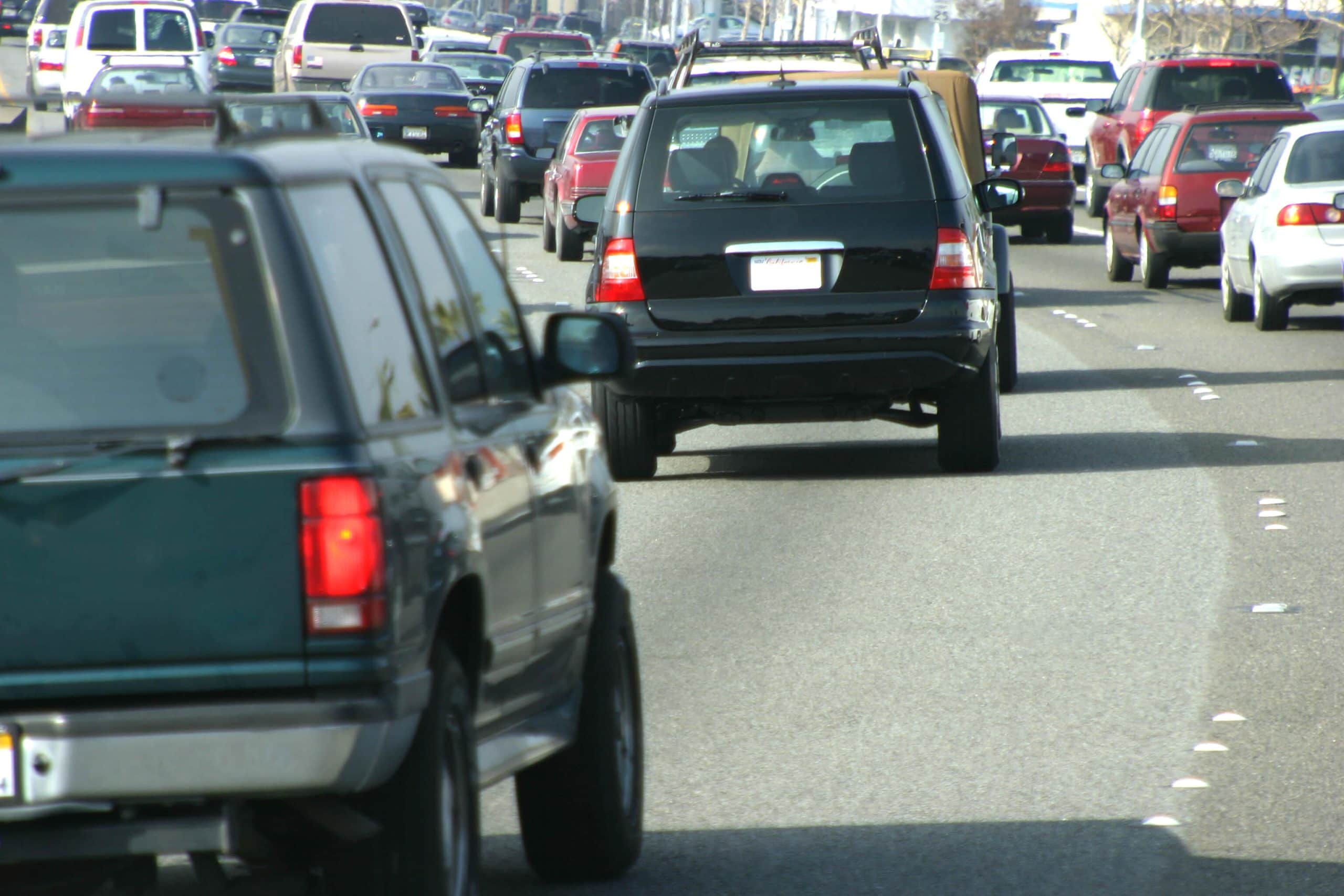
A passenger can feel like the one person in the car with nothing to worry about. You were not driving, you did not cause the crash, and yet you are hurt. Many passengers still hesitate to file a claim, usually for one of three reasons: the driver is a friend or family member, it is unclear whose insurance pays, or they have heard that North Carolina bars anyone who is even slightly at fault. For most passengers, the third worry is the least justified.
Yes, a passenger can file an injury claim after a car accident in North Carolina, and an innocent passenger is generally in a stronger legal position than the drivers. This guide explains who you can claim against, why contributory negligence rarely stops a passenger, the situations where a claim can run into trouble, and what insurance may pay.
The Short Answer: Yes, and Passengers Are in a Stronger Position Than Drivers
North Carolina is a fault-based state, so an injured person looks to the driver whose negligence caused the crash. A passenger is no different. If a driver failed to keep a proper lookout, ran a signal, drove too fast, or made an unsafe move, a passenger hurt as a result can pursue compensation for medical bills, lost income, and pain and suffering.
What makes passengers different is that they usually had no control over what happened. That matters because of how North Carolina treats contributory negligence, which can bar a driver from recovering anything if they were even slightly at fault. As discussed below, that rule mostly does not reach an innocent passenger.
Who a Passenger Can File a Claim Against
You are not limited to one party. Depending on the facts, a passenger can bring a claim against:
- The driver of the other vehicle, if that driver caused the crash.
- The driver of the car you were riding in, if that driver was negligent.
- Both drivers, when each contributed to the collision.
Claiming against your own driver feels awkward, especially when the driver is a friend or relative. In practice, these claims are usually paid by the driver’s liability insurance, not out of the driver’s pocket, up to the policy limits. If you are unsure how to handle that situation, see the practical points later in this guide.
Why Contributory Negligence Rarely Stops an Innocent Passenger
North Carolina courts have long held that the negligence of a driver is generally not imputed to a passenger. In plain terms, one driver’s mistakes are not charged against the person riding with them. That has a powerful consequence in crashes where both drivers made mistakes.
Picture two cars colliding at an intersection, with evidence that both drivers were speeding. Under contributory negligence, each driver may be barred from recovering from the other. The passenger in either car, however, was not driving, so neither driver’s negligence is held against them. They can pursue claims against both drivers’ liability coverage. This is an illustration, not a real case, but it shows why a passenger’s claim often survives when the drivers’ claims do not.
For more on how the rule works for drivers, see our guides on what happens if you were partly at fault and who is at fault in a multi-car accident.
When a Passenger’s Claim Can Run Into Trouble
Passengers are protected, but not immune. Three situations come up most often.
The owner-occupant rule
If you own the car and are riding in it while someone else drives with your permission, North Carolina courts have applied the owner-occupant doctrine. It presumes the owner had the right to control the vehicle, so the driver’s negligence can be imputed to the owner, which may bar the owner’s claim against the other driver. The presumption is not absolute: as the Court of Appeals has explained, the right to control is not the same as actual control, and the defense requires a fair opportunity to exercise that control. Courts also look past the name on the title to identify the true owner. This rule most often affects spouses, couples, and friends who share a vehicle.
The passenger’s own conduct
A passenger can be found negligent if their own actions contributed to the crash, such as grabbing the wheel or distracting the driver. Insurers sometimes also argue that a passenger who knowingly rode with an impaired driver shares responsibility, so facts like that deserve careful attention.
What does not count against you
Not wearing a seat belt is not contributory negligence in North Carolina. Under N.C. Gen. Stat. § 20-135.2A, evidence of failing to wear a seat belt is generally not admissible in a civil case. A passenger without a seat belt can still bring a claim.

What Insurance Can Pay a Passenger
A passenger’s claim is typically paid by the bodily injury liability coverage of whichever driver caused the crash, and more than one policy can be involved when both drivers share fault. A few details matter:
- North Carolina’s minimum liability limits increased on July 1, 2025 to $50,000 per person and $100,000 per accident for bodily injury, and $50,000 for property damage (Senate Bill 452).
- When several people are hurt, the per-accident limit is shared. A crash involving a driver and several passengers can use up a minimum policy quickly.
- Auto policies issued or renewed since July 1, 2025 must include uninsured and underinsured motorist coverage matching the liability limits, and the law eliminated the old offset that reduced underinsured benefits by the liability payment. Older policies may differ until they renew.
- Medical payments coverage, if the vehicle’s policy or your own includes it, may pay medical bills regardless of fault. See our guide to Med Pay coverage in North Carolina.
If the at-fault driver fled the scene, coverage questions are different. Our article on hit and run coverage in North Carolina explains what may apply.
Filing Against Your Own Driver: Practical Realities
If the driver you were with was at fault, you may worry about hurting a relationship. A few points are worth keeping in mind. The claim goes to the insurance company, which handles it up to the policy limits. Not filing does not protect the driver, and it can leave you with unpaid medical bills. You may also be an important witness in the driver’s own claim, which can create a conflict of interest. For that reason, a passenger often needs advice that is independent from the driver’s, and a single lawyer generally cannot represent both when their interests may conflict.
What to Do If You Were a Passenger
- Get medical care right away, even if the injuries seem minor, and tell providers how the injury happened.
- Collect names, phone numbers, and insurance details for every driver involved.
- Take photos of the scene, the vehicles, and your injuries, and save any dashcam footage. See how dashcam footage can help your claim.
- Get the police report, and if you need help, read how to get a police accident report in Durham.
- Be careful with statements. Our post on the risks of admitting fault at the scene applies to passengers too, and a recorded statement to either insurer is best given after advice.
Deadlines for Passenger Claims
In most North Carolina car accident injury cases, you have three years from the date of the crash to file a lawsuit. Minors are treated differently: a child’s own claim generally does not start running until they turn 18, but the parents’ claim for the child’s medical expenses follows the regular three-year deadline. If a passenger died, the deadline for a wrongful death claim is generally shorter, so it is worth speaking with an attorney early. Our guide to the car accident statute of limitations in North Carolina explains the exceptions.
How a Durham Car Accident Lawyer Approaches Passenger Claims
Passenger cases often hinge on questions that are easy to get wrong: which driver or drivers were negligent, whose insurance is available, whether more than one policy applies, and how to avoid conflicts. Sorting that out early, before anyone gives a recorded statement, makes a significant difference.
Constantinou & Burkert Accident Injury Lawyers represents injured people throughout Durham, Wake County, Orange County, and Pender County. If you were hurt as a passenger and aren’t sure whose insurance applies, our Durham car accident lawyer can review your options. Call (919) 683-1302 for a free consultation.
Frequently Asked Questions About Passenger Injury Claims in North Carolina
Can a passenger sue the driver of the car they were in?
Yes, if that driver was negligent. The driver’s liability insurance typically pays the claim, up to the policy limits, not out of the driver’s pocket.
What if both drivers were at fault?
A passenger can generally pursue claims against both drivers, because one driver’s negligence is generally not charged against an innocent passenger. This is one reason a passenger’s claim can survive when the drivers’ own claims are barred by contributory negligence.
Can a passenger be partly at fault for an accident?
Yes, but it is uncommon. Examples include grabbing the wheel or distracting the driver. In North Carolina, a passenger found even slightly at fault can face a contributory negligence defense.
Can I file a claim if I was not wearing a seat belt?
Yes. Evidence that you weren’t wearing a seat belt is generally not admissible in a civil case in North Carolina, and it isn’t treated as contributory negligence.
What if I own the car and someone else was driving?
The owner-occupant doctrine can apply, which may allow the driver’s negligence to be charged against you when you sue the other driver. The rule has limits, and courts look at who truly owned the car and whether you had a fair opportunity to control the driving, so speak with an attorney.
How much insurance is available for passengers?
That depends on the policies involved. Since July 1, 2025, the state minimum for bodily injury is $50,000 per person and $100,000 per accident, and that per-accident limit is shared among all injured people. Underinsured and uninsured motorist coverage and medical payments coverage may also be available.
How long do I have to file a passenger injury claim?
Generally three years from the date of the crash. A minor’s own claim generally begins to run when they turn 18, but parents’ claims for medical expenses follow the regular deadline, and wrongful death claims have a shorter one.
This article is for general informational purposes and does not constitute legal advice. For guidance specific to your situation, consult a licensed North Carolina attorney.