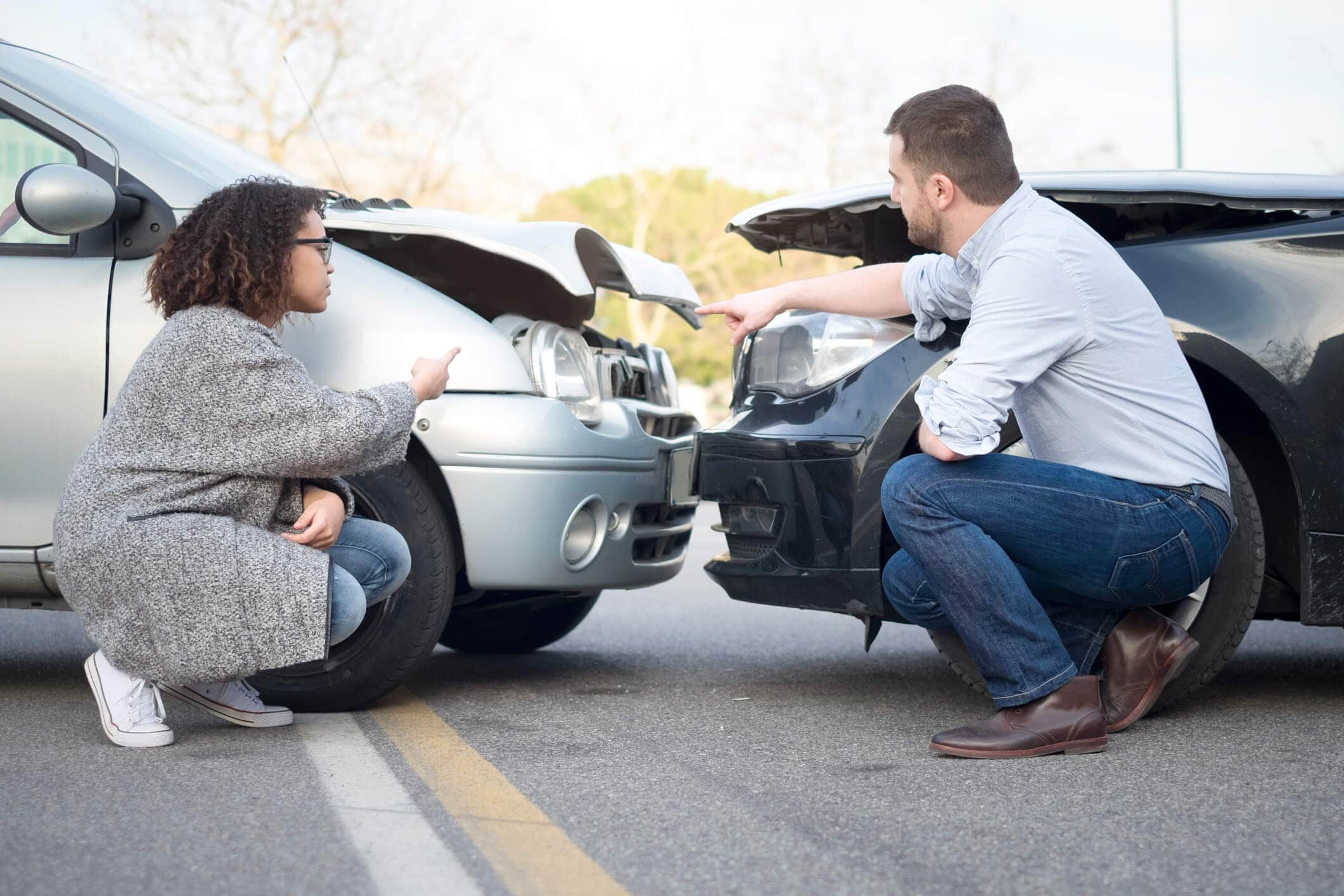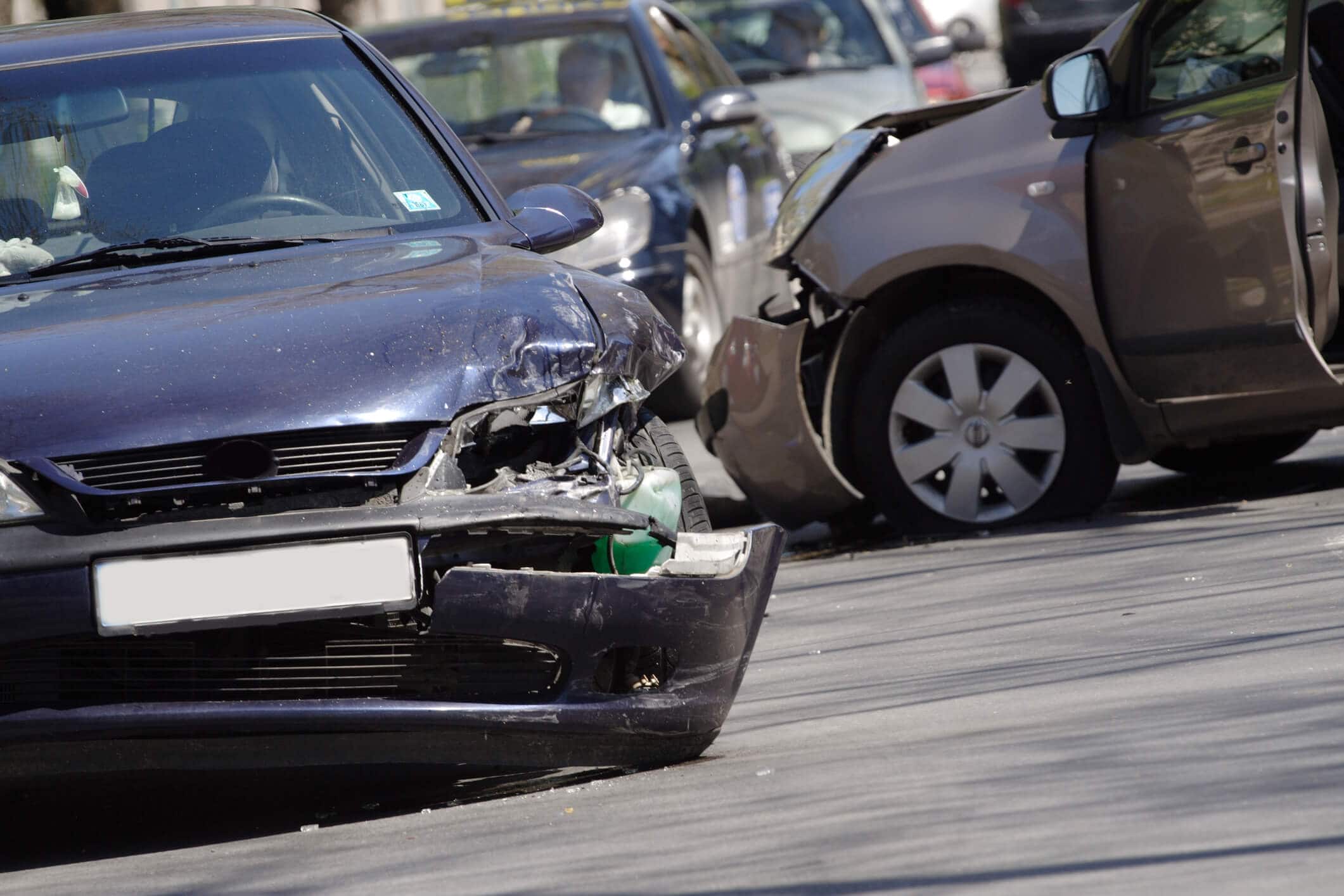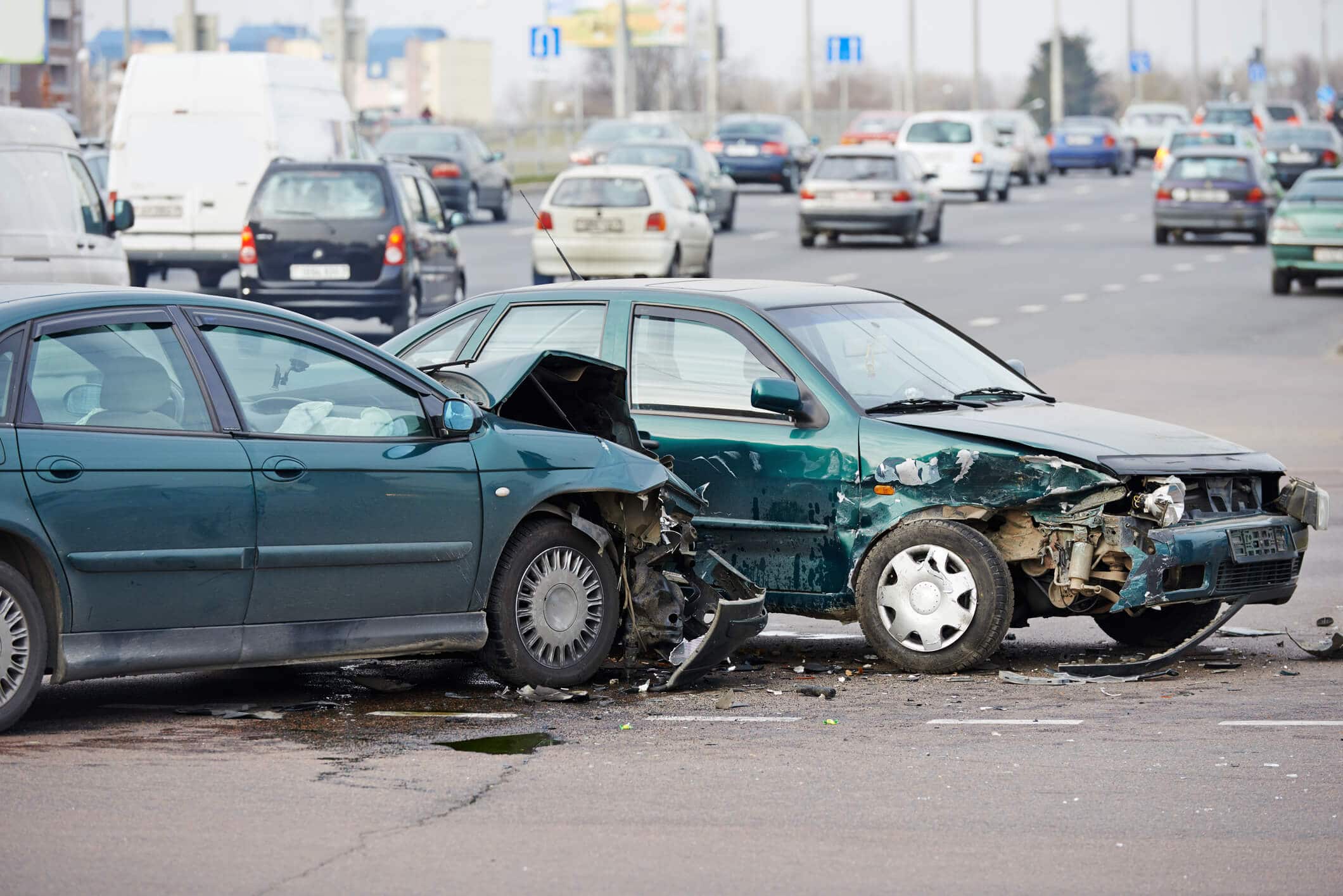
Ask most people who’s at fault when a left-turning car collides with an oncoming vehicle, and they’ll tell you the same thing: the driver turning left is always to blame. That’s a reasonable starting assumption, and it’s usually right. But “usually right” isn’t the same as “always,” and the detail that actually decides most of these cases isn’t who was turning, it’s what the traffic signal or intersection was telling each driver to do in the exact second the crash happened. A left turn made on a protected green arrow is a legally different event than a left turn made on a flashing yellow arrow, and treating them the same is where a lot of left-turn injury claims go wrong.
The Legal Starting Point: Left-Turning Drivers Must Yield
North Carolina law is direct about this. Under N.C. Gen. Stat. § 20-155(b), a driver turning left within an intersection must yield the right-of-way to any vehicle approaching from the opposite direction that is already in the intersection or close enough to be an immediate hazard. That’s the rule everyone cites, and it’s why insurance adjusters default to blaming the left-turning driver first. But the statute has a built-in limit: the oncoming vehicle has to actually be an immediate hazard. A car two blocks away, or one that suddenly accelerates well past the speed limit after the turning driver has already committed to the turn, doesn’t automatically make the turning driver liable just because a collision happened.
Protected Left Turns: The Green Arrow Changes Everything
At intersections with a dedicated left-turn signal phase, drivers get a solid green arrow that gives them the exclusive right-of-way; oncoming traffic is stopped on red during that phase. If you’re hit while turning on a protected green arrow, the fault analysis flips hard against the other driver, since they had no legal basis to be moving through the intersection at that moment. These cases often come down to signal timing: was the arrow actually green when the collision occurred, and did the opposing driver run a red light to enter the intersection.
Permissive Left Turns: The Flashing Yellow Arrow You See Every Day in Durham
Most left-turn crashes don’t happen under a protected arrow. They happen at intersections using a permissive, or “yield on green,” left-turn phase, commonly displayed today as a flashing yellow arrow. The City of Durham explains this signal plainly: a flashing yellow arrow means left turns are allowed, but only after yielding to oncoming traffic, pedestrians, and cyclists. Federal research behind the switch to this signal type found it measurably improved driver understanding and reduced severe crashes compared to the older green-ball, yield-on-green setup it replaced, which is exactly why you’ll see it at most newer signals across the Triangle.
This is the signal type where fault gets genuinely contested, because the turning driver’s duty to yield depends on a judgment call: was the oncoming car close enough, or fast enough, to be an immediate hazard at the moment the turn began. A driver who misjudges a gap in traffic and turns directly into an oncoming car that had the right-of-way is typically at fault. But a driver who reasonably judged a gap as safe, only to be hit by a driver going 15 miles over the limit who wasn’t visible or estimable at a lawful speed, has a real argument that the other driver, not them, caused the crash.
Uncontrolled Intersections and Stop-Sign Crossings
Not every left turn happens at a signal. At an uncontrolled intersection or one governed by stop signs, the same underlying principle from § 20-155(b) still applies: the turning driver yields to oncoming traffic that constitutes an immediate hazard. Without a signal to anchor the timeline, these cases lean more heavily on witness accounts, vehicle positioning, and physical evidence like skid marks and point of impact, since there’s no signal phase data to fall back on.
When the Straight-Through Driver Can Still Share the Blame
The duty to yield doesn’t give the oncoming driver a blank check either. A straight-through driver who was speeding, ran a red light, was texting, or swerved unexpectedly into the turning driver’s path can bear full or partial fault for a left-turn crash, even though they had the technical right-of-way. This matters enormously in North Carolina because of contributory negligence, the rule that can bar an injured driver from recovering anything if they’re found even slightly responsible for the crash. In a left-turn case, that cuts both ways: a left-turning driver who misjudged a gap loses their claim entirely if found even 1% at fault, but so does a straight-through driver who was speeding when a turning car pulled out in front of them.
What This Looks Like on the Ground
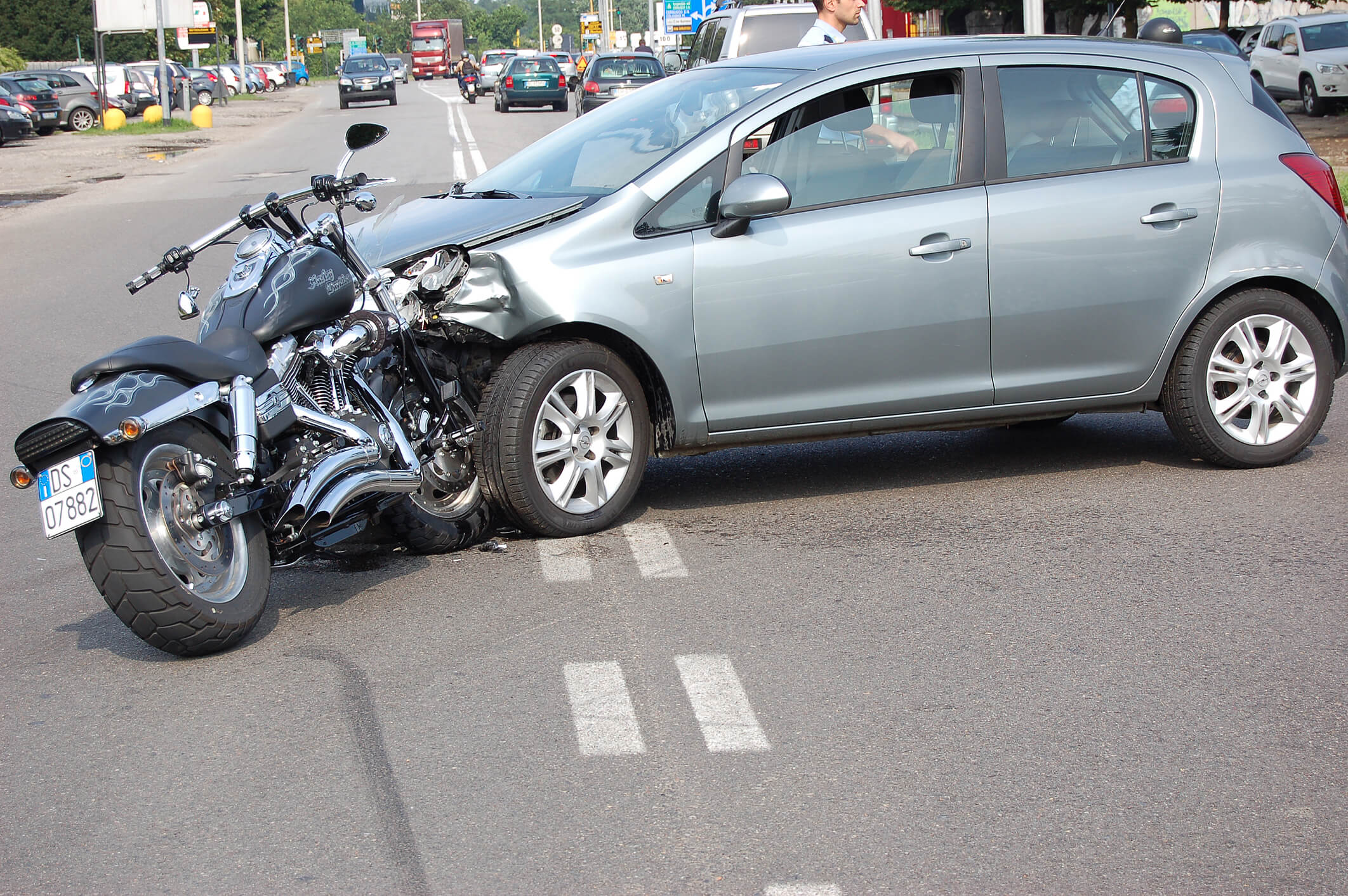
A few patterns show up again and again in left-turn cases we see around the Triangle. A driver waiting to turn left across two or three lanes of oncoming traffic on a busy corridor sees a gap open in the near lane, starts the turn, and doesn’t account for a vehicle in the far lane that was screened from view by a stopped or slow-moving car. A driver turning left into a shopping center or apartment complex misjudges the closing speed of an oncoming vehicle that, while technically within the speed limit, was moving faster than typical for that stretch of road. A driver turning on what they believed was a still-active flashing yellow arrow gets caught in a signal transition, turning just as the arrow changes to a steady red arrow that requires clearing the intersection rather than initiating a new turn. Each of these plays out differently depending on exactly what the signal showed and what each driver could reasonably see, which is why the details matter so much more than the general rule.
The Evidence That Actually Decides These Cases
Because so much of a left-turn case hinges on precise timing, the strongest evidence usually includes:
- Signal phase and timing data. Traffic signals in North Carolina run on documented timing plans, and in some cases, intersection controller logs can help establish which phase was active at the moment of impact.
- Dashcam footage, which can settle disputes over signal color and vehicle speed far more reliably than memory alone. We’ve written in more detail about how dashcam footage can help your car accident claim in North Carolina.
- The police report, including the responding officer’s assessment of point of impact, vehicle positions, and any citations issued.
- Independent witnesses, particularly other drivers stopped at the intersection who had a clear view of both vehicles.
- Vehicle damage patterns, which help establish the angle and speed of impact and often corroborate or contradict each driver’s account.
What If You Were Partly at Fault?
Left-turn cases are exactly the kind of crash where insurance companies look for any basis, however thin, to allege shared fault, because North Carolina’s contributory negligence rule makes that allegation so powerful. If you were turning left and the other driver’s insurer is arguing you share blame, or you were driving straight and being blamed for a turning driver’s mistake, it’s worth understanding what happens if you were partly at fault for a crash in North Carolina before accepting that characterization or giving a recorded statement.
How a Durham Car Accident Lawyer Approaches These Claims
Left-turn cases reward the side that does the more careful work: pulling signal timing information before it’s overwritten, locking down witness statements while memories are fresh, and building a clear timeline of what each driver could see and when. Given how easily an insurance company can turn a legitimate claim into a contributory negligence dispute, that groundwork matters as much as the facts of the crash itself.
Our team at Constantinou & Burkert Accident Injury Lawyers has represented injured drivers throughout Durham, Wake County, Orange County, and Pender County for years. If you were hurt in a left-turn accident and aren’t sure how fault will be assigned, our Durham car accident lawyer team can review the intersection, the signal type, and the available evidence before you say anything to an adjuster that could be used against you.
If you were injured in a left-turn accident anywhere in Durham or the surrounding Triangle, call Constantinou & Burkert Accident Injury Lawyers at (919) 683-1302 for a free consultation.
Frequently Asked Questions About Left-Turn Accidents in North Carolina
Is the left-turning driver always at fault in North Carolina?
No. North Carolina law requires a left-turning driver to yield to oncoming traffic that’s close enough to be an immediate hazard, but it doesn’t automatically assign fault in every collision. A turning driver who reasonably judged a safe gap, only to be hit by a speeding or red-light-running vehicle, may not be at fault at all.
What if the light was yellow when I started my turn?
Whether a yellow light justifies completing a turn depends on when the vehicle entered the intersection and what the specific signal phase allowed at that moment. This is exactly the kind of question signal timing data and witness accounts are used to answer.
Can a left-turning driver recover damages if the oncoming driver was speeding?
Potentially, yes. If the oncoming driver’s speed or reckless conduct is what actually caused the crash, and the turning driver wasn’t also negligent, the turning driver may have a valid claim despite having been the one turning.
What’s the difference between a protected and a permissive left turn?
A protected left turn uses a solid green arrow that gives the turning driver the exclusive right-of-way while oncoming traffic is stopped. A permissive left turn, typically shown as a flashing yellow arrow, allows turns only after yielding to oncoming traffic, pedestrians, and cyclists.
Does North Carolina’s contributory negligence rule apply to left-turn accidents?
Yes, and it applies with particular force in these cases, since insurers often look to allege shared fault on both sides of a left-turn crash. Being found even minimally at fault can bar a recovery entirely under North Carolina law.