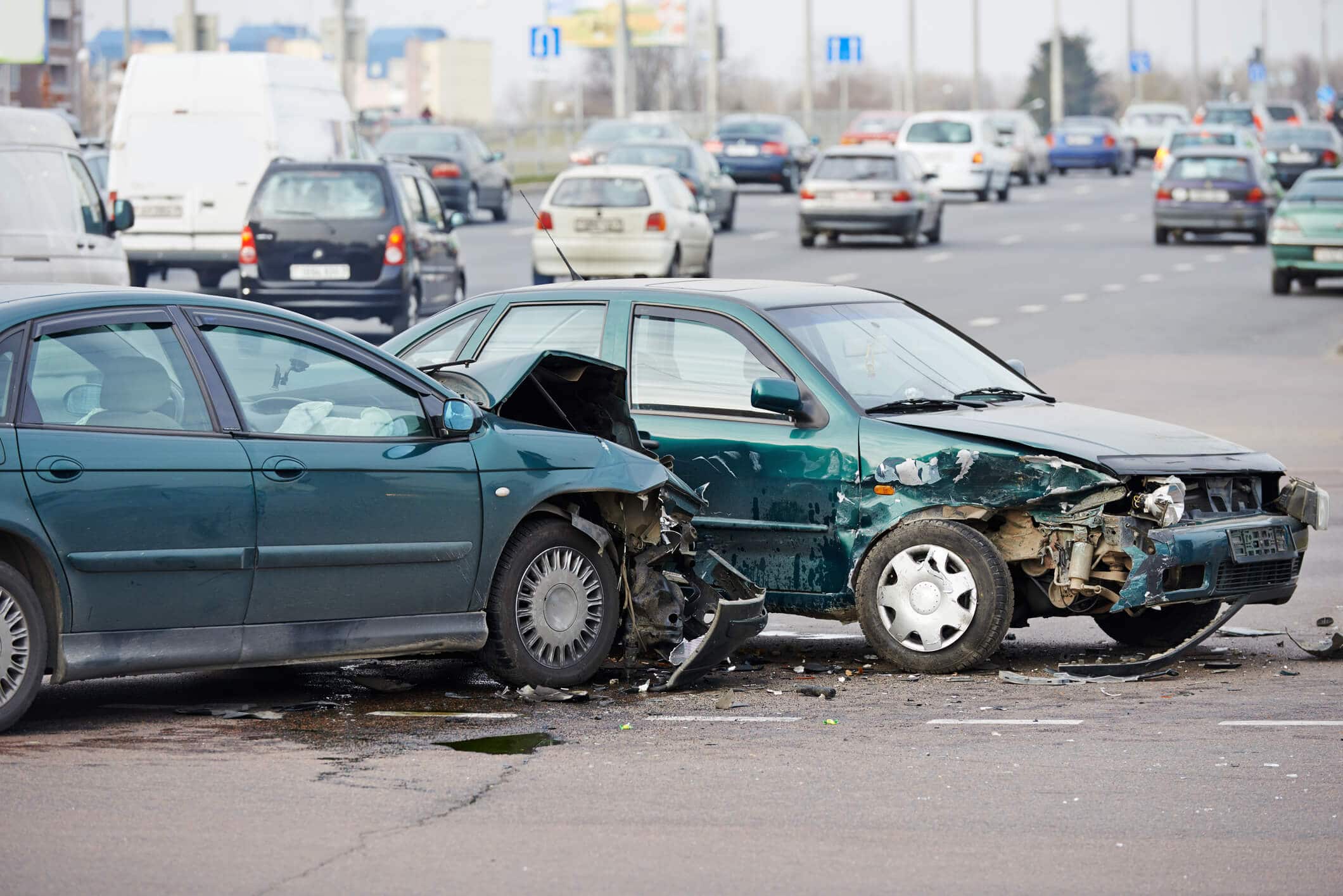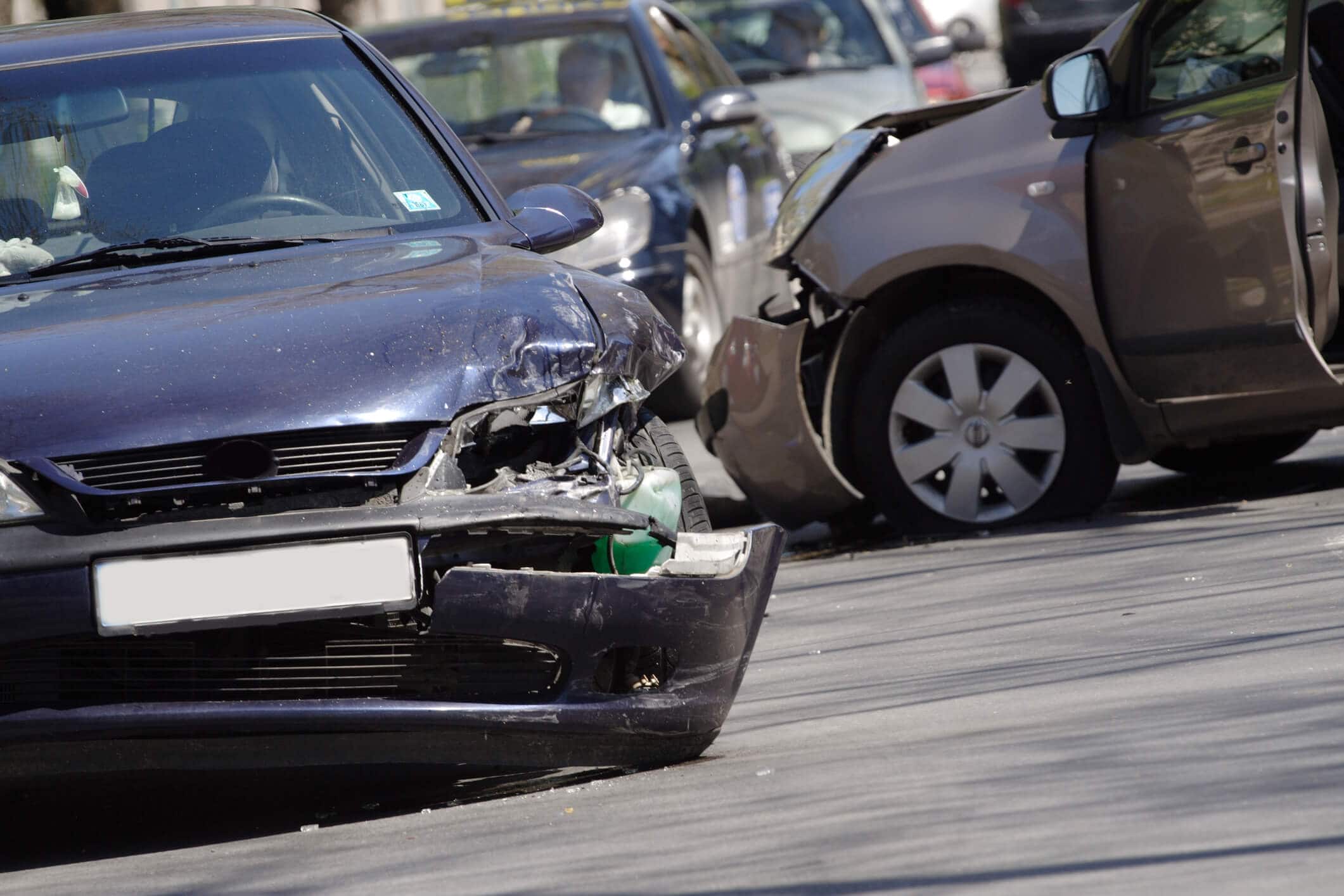
“I had the green light” is usually the first thing someone tells us after a T-bone crash, and it’s usually true. It’s also, on its own, often not enough to close out the fault question in North Carolina the way most people expect it to. T-bone accidents are where we see insurance companies push the hardest on shared fault, harder than almost any other type of crash, and understanding why changes how you should approach a claim from the very beginning.
The Short Answer
In most T-bone accidents in North Carolina, the driver who caused the collision by violating the other driver’s right-of-way, such as by running a red light, failing to yield at a stop sign, or turning left into oncoming traffic, is considered at fault. But right-of-way is the starting point of the analysis, not the end of it. North Carolina law also imposes a duty on every driver, including the one with the right of way, to keep a reasonable lookout and use ordinary care to avoid a collision when it’s reasonably possible. In a contributory negligence state, that second duty is where a lot of T-bone claims actually get fought.
Why T-Bone Cases Get Contested More Than Other Crash Types
Compare a T-bone to a rear-end collision for a moment. In a rear-end crash, North Carolina courts and insurers alike generally start from a strong presumption that the rear driver is at fault, since following too closely or failing to react in time is baked into the basic mechanics of that kind of crash. A T-bone doesn’t offer that same clean starting presumption. Two vehicles are approaching an intersection from genuinely different directions, on different sightlines, often at different speeds, which gives an insurance company far more raw material to argue that the driver with the right of way could have seen the other car coming, could have braked, or could have swerved, even if they legally had every right to proceed. That extra ambiguity is exactly why T-bone claims get contested more aggressively than most other accident types, and it’s worth understanding before you ever talk to an adjuster.
The Basics: How Right-of-Way Gets Determined
Right-of-way rules come from North Carolina traffic law and are laid out in detail in the North Carolina Driver’s Handbook published by NCDOT. The core scenarios that come up most often in T-bone cases:
• Traffic signals: A driver facing a red light must stop and remain stopped; a driver facing green generally has the right to proceed.
• Stop signs: At a two-way stop, the stopped driver must yield to cross traffic that doesn’t have a stop sign. At a four-way stop, the first vehicle to arrive has the right of way, and if two arrive together, the driver on the right generally goes first.
• Uncontrolled intersections: Without any signs or signals, the same basic rule applies: yield to the vehicle on your right.
• Left turns: A driver turning left must yield to oncoming traffic proceeding straight or turning right, unless protected by a green arrow.
Establishing which of these rules applied, and which driver violated it, is the foundation of any T-bone claim. It’s just not automatically the whole case.
The Trap Even Drivers With the Right of Way Fall Into
Here’s the part that catches people off guard. Having the right of way doesn’t erase your legal duty to exercise ordinary care. If an insurance company can plausibly argue that a reasonably attentive driver, even one with a green light or the right of way at a stop sign, would have noticed the other vehicle approaching in time to avoid the collision or lessen its severity, that argument can be used to allege contributory negligence. Under North Carolina’s contributory negligence rule, being found even minimally at fault can bar recovery entirely, regardless of how negligent the other driver was.
This is precisely why T-bone claims see this argument more than most other crash types. A rear-end collision rarely gives the following driver room to argue the driver in front should have somehow prevented being hit. A T-bone almost always does, because both drivers had some window of time and some field of view before impact, and an adjuster only needs a plausible story, not a strong one, to start pushing a shared-fault narrative.
Building Evidence That Closes That Gap
The way to protect against this argument is the same way you’d prove fault in the first place: solid, specific evidence. A few things matter most in a T-bone claim specifically:
• Traffic camera or dash cam footage, which can establish not just who had the right of way, but how much time and visibility each driver actually had.
• Independent witness accounts, particularly ones who can speak to speed and attentiveness, not just the basic sequence of events.
• The physical damage pattern, which can help establish speed and angle of impact and often supports or undercuts a claim that a driver “couldn’t have seen it coming.”
If distraction is part of the picture, whether you suspect the other driver was on their phone or an insurer is trying to suggest you were, that evidence has its own complications. We’ve covered how that kind of evidence actually gets used, and misused, in our guide on calculating pain and suffering in North Carolina personal injury cases and more broadly in our overview of contributory versus comparative negligence in North Carolina.
When You Weren’t Entirely Blameless: The Last Clear Chance Doctrine
North Carolina does provide one significant counter to a contributory negligence defense: the Doctrine of Last Clear Chance. In narrow circumstances, if you were slightly negligent but the other driver had a clear, final opportunity to avoid the collision and failed to take it, that doctrine can preserve your ability to recover despite your own minor fault. It’s a technical, fact-specific argument that depends heavily on the particular sequence of events in a given crash, and it’s the kind of issue worth having an attorney evaluate rather than assuming it does or doesn’t apply based on a general description of what happened.

What Insurance Adjusters Actually Do With This
Expect a call from the other driver’s insurance company fairly quickly after a T-bone crash. Common tactics include requesting a recorded statement, hoping something you say can be reframed to suggest shared fault, and offering a fast, modest settlement before the full extent of your injuries is known. You’re not required to give a recorded statement, and an early lowball offer is rarely a reflection of what a claim is actually worth once the full picture, medical treatment, lost income, and the other driver’s actual duty violations, is properly documented.
The Bottom Line
Right-of-way is the starting point in a North Carolina T-bone case, not the finish line. Because these crashes involve two vehicles approaching from different directions with some window of time before impact, they give insurers more room to argue shared fault than almost any other type of accident, which makes strong, specific evidence more important here than in most car accident claims.
If you’ve been injured in a T-bone accident, Constantinou & Burkert Accident Injury Lawyers has the experience to help you understand your legal options and pursue the compensation you may deserve. We know how insurers approach these specific cases and how to build the evidence that closes the gap they’re looking for. Contact our Durham personal injury lawyers today for a free consultation.
Frequently Asked Questions
If I had the right of way, can I still be found partially at fault?
Yes. North Carolina law requires every driver, including one with the right of way, to keep a reasonable lookout and use ordinary care to avoid a collision when reasonably possible. Insurance companies frequently argue this duty was violated even when the other driver clearly ran a light or failed to yield.
How long do I have to file a claim after a T-bone accident in North Carolina?
North Carolina generally sets a three-year deadline from the date of the accident to file a personal injury lawsuit. Evidence and witness memory both fade quickly, so acting sooner rather than later helps preserve what a case actually needs.
Does it matter if the accident happened in a parking lot instead of on the road?
The same basic right-of-way and fault principles generally apply, though private parking areas can carry their own posted rules. These cases are still evaluated under the same contributory negligence framework as any other North Carolina crash.
What if the police report says I share some fault?
A police report can be important evidence, but it does not ultimately determine legal fault.
Officers can make mistakes or miss evidence that only comes to light later, such as camera footage or a thorough reconstruction of the timing at the intersection.
This article is for general informational purposes and does not constitute legal advice. For guidance specific to your situation, consult a licensed North Carolina attorney.