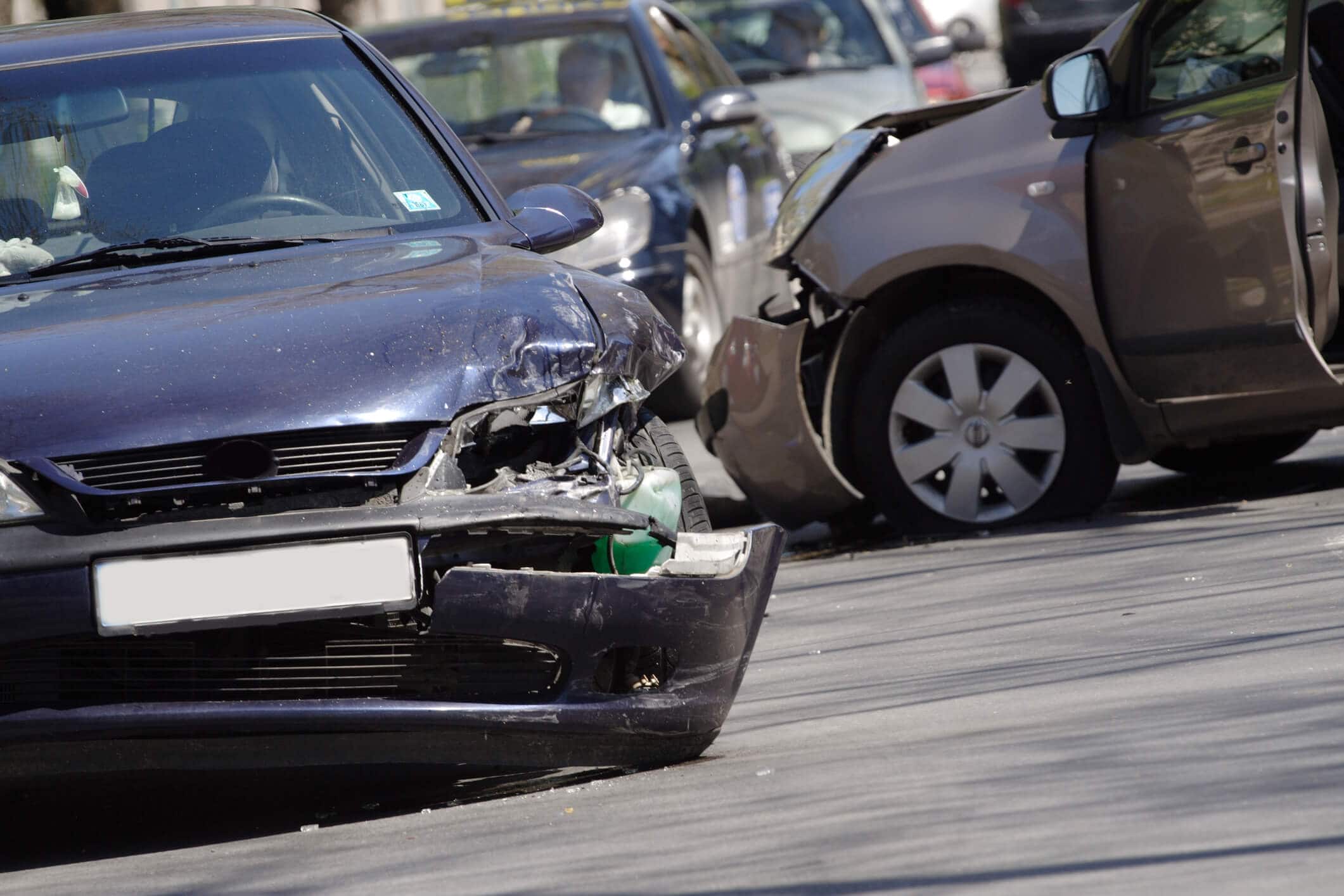
Rear-end car accidents in North Carolina require immediate action to protect your safety, preserve evidence, and safeguard your right to compensation under state law. The steps you take in the aftermath of a crash can make a meaningful difference in your physical recovery and the financial outcome of your insurance claim. Taking clear photos of the vehicles, the accident scene, and any visible injuries can strengthen your claim from the very beginning. Before speaking in detail with an insurance adjuster, it is often wise to seek legal advice so you fully understand your rights and obligations. At Constantinou & Burkert Accident Injury Lawyers, our attorney team guides clients through every part of this process with clarity, care, and experienced representation tailored to each unique situation.
As a dedicated car accident lawyer serving injured people across North Carolina, we understand how quickly confusion can arise after a collision. Insurance companies may ask for statements, request documentation, and assign an adjuster to evaluate the claim within days of the crash. Having a lawyer on your side early on can help protect your interests, ensure your name and statements are accurately recorded, and prevent missteps that could affect compensation. Our goal is to provide steady guidance, protect your rights under state law, and position your case for the strongest possible outcome.
Immediate Safety And Emergency Response Protect Everyone Involved
The first priority after a rear-end collision is safety. Whether the crash seems minor or severe, drivers and passengers should check for injuries right away. Even low-speed impacts can cause whiplash, concussions, brain injuries, or spinal cord injuries. Some symptoms, such as neck pain, headaches, or dizziness, may not appear immediately. Taking this first step seriously protects not only your health but also your legal rights. Anyone involved in a crash should understand that different types of injuries can develop over hours or even days, making prompt medical evaluation essential.
If vehicles can be moved safely, they should be pulled to the shoulder or a safe location off the road to prevent additional crashes. Activate hazard lights and remain alert to road conditions and traffic patterns. Call 911 so law enforcement and emergency medical responders can assess the accident scene. A police officer will create an official police report, which becomes a critical record in insurance claims and potential legal cases. This official documentation sends a clear message to insurers about what occurred and often plays a key role in determining liability. Speaking with a car accident attorney or personal injury lawyer soon after the collision can further clarify the benefits of taking these protective measures and help ensure that your rights are preserved from the very beginning.thin
When officers arrive, provide accurate details about what happened. Avoid speculating about fault or assigning blame. Statements made at the scene can later be used by insurance adjusters. We often remind clients that even casual comments can impact liability determinations under North Carolina law.
Prompt Medical Care Supports Health And Legal Protection
Seeking immediate medical evaluation is essential, even if injuries seem minor. A doctor can identify any type of internal injury, concussions, TBI, or soft tissue damage that may not be obvious at first. Medical professionals are trained to pay close attention to subtle symptoms that people often overlook in the chaotic moments after a crash. In many states, including North Carolina, timely treatment plays an important role in both health outcomes and legal claims. Medical records created shortly after the collision establish a clear link between the accident and your injuries, documenting everything from initial complaints to diagnostic findings in a way that insurers and courts recognize as credible.
Follow all treatment recommendations carefully. Attend appointments, follow prescribed care plans, and keep copies of prescriptions and receipts. Seemingly small things, such as missing a follow-up visit or failing to complete physical therapy, can be used by insurers as an example to argue that your injuries are not serious. Do not stop treatment without medical guidance, even if you begin to feel better. Consistent care in this field not only supports your physical recovery but also protects your claim. If you later search Google for information about your symptoms or providers in your area, remember that online content cannot replace personalized medical advice or formal documentation from qualified professionals.
Rear-end crashes frequently cause whiplash and other neck and back injuries. In more serious cases, victims suffer brain injuries or spinal cord injuries that affect their ability to work and carry out daily activities. The long-term impact on life, job performance, and wages can be significant. Early documentation strengthens both your medical recovery and your legal claim.
Accurate Documentation Preserves Critical Evidence
Strong documentation can make the difference between a successful settlement and a denied insurance claim. At the accident scene, gather as much information as possible if you are physically able. Taking immediate action to preserve evidence is critical, especially when questions of fault or liability arise later. There is often no second chance to capture key details, which is one reason thorough documentation matters so much in rear-end crashes.
Photographs and videos of vehicle damage, skid marks, brake lights, road conditions, and the overall location provide valuable proof. Capture images from multiple angles and distances. These photos can serve as objective validation purposes during insurance reviews and legal evaluations. Obtain contact information, including phone number and insurance information, from all drivers involved so there is a clear record of everyone connected to the collision.
Collect names and contact details of witnesses. Independent witness statements often clarify how the crash occurred, especially in rear-end cases involving multiple vehicles. If someone saw the collision, their statement may support your version of events and counter inaccurate claims from other drivers. Witness accounts can also provide additional context that strengthens your position during insurance reviews and settlement negotiations.
Keep copies of all records related to the crash, including the police report, medical records, repair estimates, insurance correspondence, and receipts for expenses. This documentation forms the foundation of your case evaluation.
North Carolina Contributory Negligence Rule Requires Precision
North Carolina follows the contributory negligence rule, one of the strictest fault standards in the country. Under this rule, if an injured person is found even one percent at fault for a crash, they may be barred from recovering compensation.
This standard makes careful communication and evidence preservation essential. Insurance adjusters often look for ways to shift blame. They may argue that a driver stopped suddenly, failed to maintain brake lights, or contributed to the collision in some way.
We analyze all facts surrounding rear-end crashes, including vehicle speed, following distance, road conditions, and traffic signals. While rear-end collisions often result in liability for the trailing motorist, insurers may dispute fault in certain situations. Our experience handling car accidents throughout North Carolina helps us protect clients from unfair fault allegations.
Reporting The Crash And Filing The Insurance Claim Correctly
Promptly report the accident to your insurance company, as accurately documenting the crash is essential when determining fault in rear-end collisions in North Carolina. Provide basic facts but avoid giving recorded statements without legal guidance, since insurance adjusters may request detailed statements or forms that could later affect your claim.
North Carolina drivers may have multiple sources of coverage. In addition to liability insurance from the at-fault motorist, your own policy may include UM or UIM coverage. Uninsured motorist coverage and underinsured motorist coverage can be critical if the other driver lacks sufficient insurance to cover your damages.
We carefully review insurance details and coverage options to ensure clients pursue every available avenue of recovery.
Comprehensive Damages Include More Than Medical Bills
Compensation after a rear-end car accident extends beyond immediate medical bills. Damages may include lost wages, reduced earning ability, ongoing treatment costs, rehabilitation expenses, and property damage repair or replacement.
Pain, suffering, and emotional distress are also compensable under North Carolina law. The impact of serious injuries can affect relationships, daily activities, and overall quality of life. In tragic cases involving death, families may pursue wrongful death claims under applicable statutes.
We calculate the full value of our clients’ losses by examining all categories of damages. This includes future expenses, anticipated medical needs, and long-term limitations. Our goal is to secure a settlement or verdict that reflects the true extent of harm.
Strategic Communication With Insurance Adjusters Protects Your Interests
Insurance adjusters work for insurance companies, not for injured people. Their objective is to minimize payouts. They may question the necessity of treatment, dispute the severity of injuries, or suggest that preexisting conditions are responsible for symptoms.
We manage communication with adjusters on behalf of our clients. By controlling the flow of information, we reduce the risk of statements being misinterpreted or used against you. We gather supporting documentation, medical records, expert evaluations, and witness statements to build a compelling claim.
Negotiations with insurers require detailed knowledge of insurance law, liability standards, and case valuation. Our attorneys draw on extensive experience handling rear-end crashes in Durha and across the state.
Timely Legal Action Preserves Your Right To Compensation

Expert tips on what to do after a rear end car accident in North Carolina with Constantinou & Burkert Accident Injury Lawyers Durham North Carolina
North Carolina law imposes strict deadlines for filing personal injury and property damage claims. The statute of limitations for most car accident injury cases is three years from the date of the crash, so consulting experienced car accident lawyers promptly can help ensure your claim is filed on time. Missing these deadlines can permanently bar recovery.
Prompt legal action also ensures that evidence is preserved. Skid marks fade, vehicles are repaired, and memories of witnesses become less reliable over time. Hiring a skilled car accident lawyer early strengthens your case and increases the likelihood of a favorable outcome.
We evaluate each case carefully, considering liability, damages, insurance coverage, and potential legal strategies. Our case evaluation process provides clients with clear guidance about next steps and realistic expectations.
Legal Representation Provides Structure And Support During Recovery
Navigating the aftermath of a rear-end car accident can feel overwhelming. Medical appointments, insurance forms, repair estimates, and lost wages create financial and emotional strain. Having experienced attorneys by your side provides structure and peace of mind.
At Constantinou & Burkert Accident Injury Lawyers, we handle the legal process so our clients can focus on healing. Our team manages documentation, gathers records, communicates with insurers, and prepares cases for negotiation or trial if necessary.
We believe in clear communication and responsive service. Clients can reach us through our phone number, online contact form, or other contact information listed on our site map and content pages. We respond promptly because we understand how important timely support is during recovery.
Rear-End Accidents Frequently Involve Complex Liability Issues
While many rear-end crashes appear straightforward, liability can become complicated. Multi-vehicle collisions, sudden stops, poor road conditions, and defective brake lights may all play a role.
Commercial vehicles, rideshare drivers, and delivery vehicles introduce additional layers of insurance and potential corporate responsibility. Identifying all responsible parties ensures that no source of compensation is overlooked.
We investigate each crash thoroughly. This may include reviewing accident reconstruction reports, analyzing vehicle damage patterns, and consulting experts in relevant fields. Careful analysis of facts allows us to challenge incorrect assumptions and present strong proof.
Protecting Long-Term Financial Stability After A Crash
Serious injuries can have lasting consequences. Spinal cord injuries, brain injuries, and chronic pain conditions may limit a person’s ability to return to work. Lost wages can quickly turn into long-term losses affecting retirement savings and financial security.
We calculate not only current expenses but also projected future losses. This includes diminished earning capacity, ongoing medical care, and necessary accommodations. Protecting our clients’ long-term interests is central to our representation.
Insurance companies may attempt to settle claims quickly for a lower amount. Accepting an early offer without understanding the full extent of injuries can jeopardize financial stability. We advise clients carefully before any settlement decisions are made.
Compassionate Advocacy Makes A Meaningful Difference
Behind every case is a person dealing with pain, stress, and uncertainty. Car accidents disrupt lives in unexpected ways. Our firm approaches each client with empathy, professionalism, and dedication.
We understand the burden that medical bills, repair costs, and lost income place on families. We work to reduce that burden by pursuing fair compensation and holding negligent drivers accountable under North Carolina laws.
Our experience handling thousands of injury cases across the state informs our strategy and strengthens our advocacy. We are committed to achieving results that provide stability and peace of mind for the future.
Taking The Right Steps After A Rear-End Crash Protects Your Future
Rear-end car accidents in North Carolina require prompt, informed action. Prioritizing safety, seeking medical care, documenting evidence, understanding contributory negligence, and communicating carefully with insurance companies are all essential parts of the process.
At Constantinou & Burkert Accident Injury Lawyers, we provide experienced legal guidance tailored to the specific details of each case. From the first consultation through final resolution, we stand beside our clients, protecting their rights and pursuing the compensation they deserve.
If you or someone you love has been injured in a rear-end collision in Durham or anywhere in North Carolina, contact us to schedule a confidential case evaluation. Our attorneys are ready to help you move forward with clarity, confidence, and strong legal representation.
Frequently Asked Questions (FAQs)
What If The Rear-End Accident Happened In A Construction Zone?
Accidents in construction areas may involve additional factors such as reduced speed limits, temporary traffic patterns, or third-party contractors. Liability could extend beyond the other driver depending on road design, signage, or safety compliance.
Can I Recover Compensation If I Was A Passenger In A Rear-End Crash?
Yes. Passengers are rarely at fault and may pursue compensation from one or more drivers involved in the collision, depending on how the crash occurred and insurance coverage available.
What If The At-Fault Driver Was Operating A Company Vehicle?
If the driver was working at the time of the crash, their employer may also be held legally responsible under certain circumstances. This can significantly affect available insurance coverage and compensation limits.
How Long Does It Typically Take To Resolve A Rear-End Accident Claim?
The timeline varies depending on the severity of injuries, clarity of liability, insurance cooperation, and whether litigation becomes necessary. Some claims resolve in months, while others may take longer if disputes arise.
What Happens If The Other Driver Denies Fault After A Rear-End Collision?
If fault is disputed, evidence such as vehicle damage patterns, electronic data, witness testimony, and accident reconstruction analysis may be used to establish what truly happened.
Can Social Media Activity Affect My Car Accident Claim?
Yes. Insurance companies may review public social media posts and photos. Posts that appear inconsistent with claimed injuries can be used to challenge credibility, even if taken out of context.
What If Weather Conditions Contributed To The Rear-End Crash?
Rain, fog, or icy roads do not automatically excuse a driver from responsibility. Drivers are expected to adjust speed and following distance based on conditions. Failure to do so may still constitute negligence.
Do I Need To Repair My Vehicle Before My Claim Is Resolved?
Property damage claims can often proceed separately from bodily injury claims. However, it is important to document all vehicle damage thoroughly before repairs begin.
Can I Change Attorneys If I Am Unhappy With My Current Representation?
In most cases, clients have the right to change legal representation if they are dissatisfied. The process should be handled carefully to avoid disruption to the case.
What If A Rear-End Accident Aggravated A Preexisting Condition?
You may still be entitled to compensation if the crash worsened an existing injury. Medical documentation is critical to distinguish prior conditions from new or aggravated harm.