Being involved in a drunk driving accident in Durham, North Carolina, is a traumatic and life-changing event. Beyond the immediate injuries, victims often face confusion, emotional distress, and financial challenges. Seeking emergency care and medical attention should always be the priority, as early treatment can prevent complications and document injuries for assistance with insurance claims or legal actions. Consulting with an experienced car accident lawyer ensures that victims understand their rights and the necessary steps to pursue proper compensation.
Victims of drunk driving crashes often feel overwhelmed, but timely and informed action can make a significant difference in recovery. Lawyers can guide victims through complex legal procedures, provide professional assistance, and help protect against insurance pitfalls. From emergency care to navigating claims and potential lawsuits, consulting with the right legal team ensures that each victim receives the support and guidance needed to recover physically, emotionally, and financially.
1. Prioritize Immediate Medical Attention
Your health should always be your top priority, whether you are the driver, a passenger, or any other person involved in the accident. Even if your injuries seem minor, some, such as internal bleeding, concussions, or whiplash, may not be immediately visible. Seeking emergency medical attention as soon as possible is a critical step for your safety and recovery. Your experience at the hospital or with your doctor also helps create documentation that can support the amount of compensation you may later pursue from the responsible party.
Call 911 if anyone is injured.
Visit the nearest hospital or urgent care for a thorough evaluation.
Follow your doctor’s treatment recommendations, including follow-up appointments and therapy.
Document all medical visits, treatments, and instructions; these records are crucial for legal claims, insurance purposes, and assisting the community by raising awareness of the dangers of drunk driving.
Prompt medical care ensures proper recovery and establishes an official record of your injuries, which is essential for any personal injury claim and protecting your rights as a victim.
2. Call Law Enforcement Immediately
Always contact the police to report the accident. In North Carolina, law enforcement officers will:
Assess the location of the accident and examine all relevant things at the scene.
Investigate the cause of the crash, including determining whether drunk drivers were involved.
Conduct sobriety tests on someone suspected of driving under the influence.
Prepare a police report, which serves as a critical record for validation purposes and is key evidence for others involved, insurance companies, or a car accident attorney representing the client.
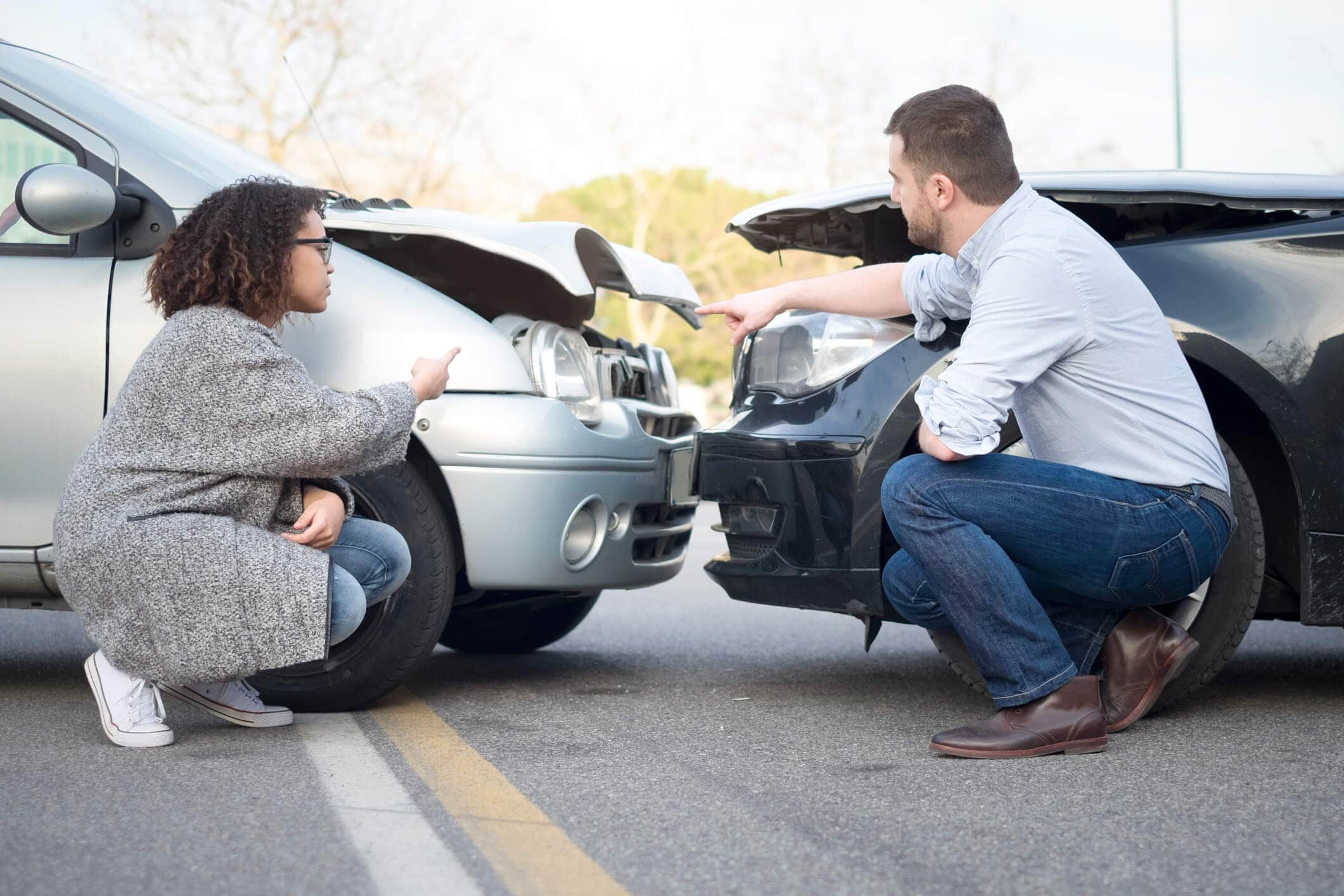
Avoid admitting fault or speculating about the accident to the police. Stick to factual information and cooperate fully with their investigation to protect yourself and ensure accurate documentation for all parties involved.
3. Document the Accident Scene Thoroughly
Evidence is critical when pursuing compensation from a drunk driver. In the field of personal injury and car crash cases, thorough documentation can make a significant difference. If possible:
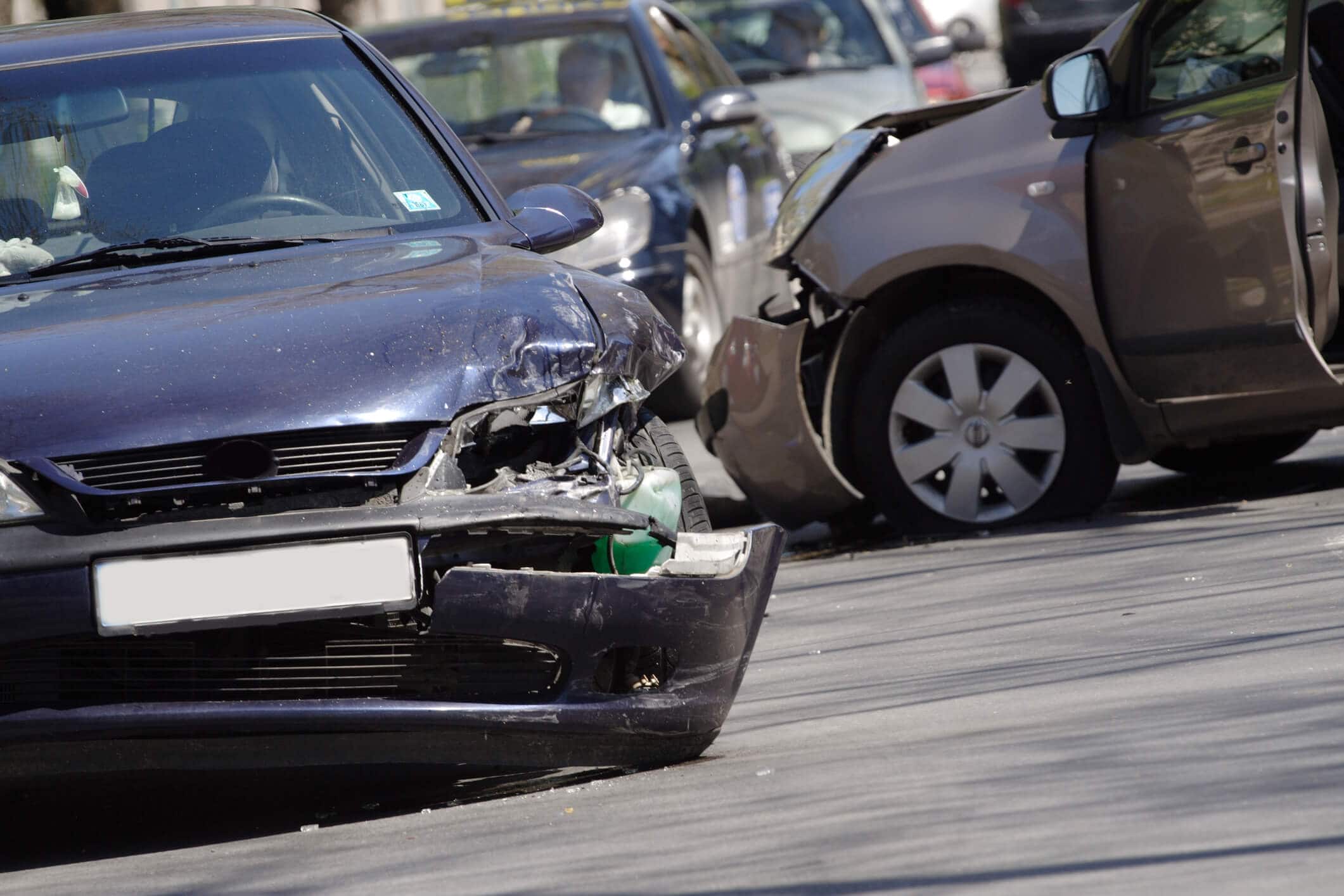
Take clear photos of vehicle damage, the license plate, road conditions, traffic signs, and any visible injuries from the car accident.
Record the other driver’s name, contact information, and insurance details.
Collect witnesses’ names, phone numbers, and statements about what they observed.
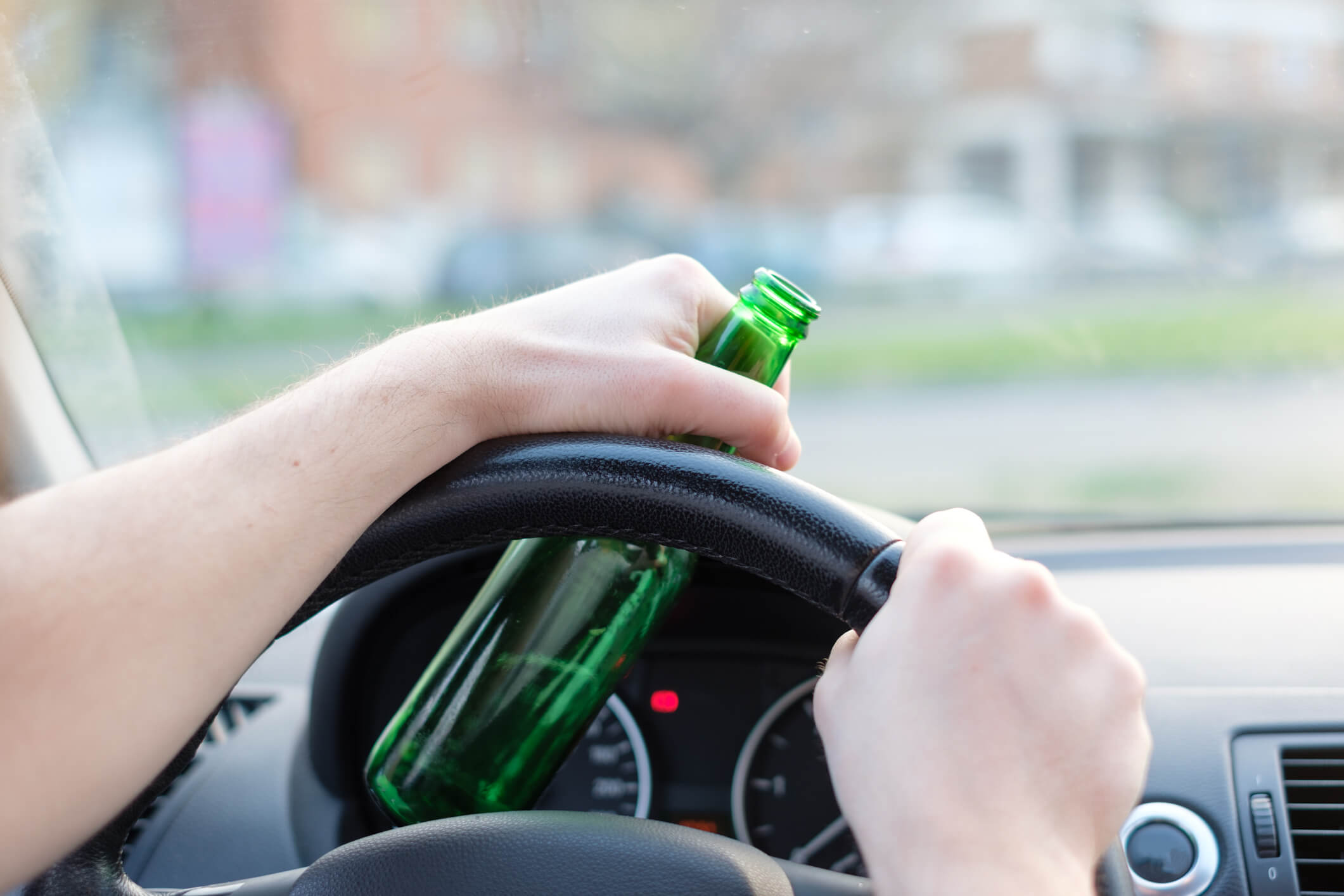
Note the behavior of the drunk driver, including signs of impairment, drug or alcohol influence, slurred speech, or erratic driving.
Proper documentation strengthens your case and helps your lawyer or insurance company prove liability in car accidents caused by drunk drivers.
4. Notify Your Insurance Company Promptly
Inform your insurance provider about the accident as soon as possible. Key tips:
Provide accurate facts, including the police report number and any statements from witnesses.
Avoid admitting fault or speculating about the cause of the drunk driving crash. Stick to the details you personally observed, such as what you saw from your side of the vehicle or through the window.
Ask your insurer about insurance coverage for accidents caused by intoxicated drivers and clarify what forms or accounts you may need to submit.
Keep records of all communications, including notes from phone calls or office visits, as well as screenshots or posts in your online claim menu, if available.
Insurance companies may attempt to settle quickly, often offering less than your actual damages. Consulting with a personal injury lawyer ensures that individuals involved in an accident are represented fairly and that the settlement accurately reflects the full scope of their losses.
5. Consult an Experienced Personal Injury Lawyer
Drunk driving accidents involve complex legal issues. The situation can vary widely depending on the type of collision, the factors involved, and the results of any investigation. Hiring a lawyer experienced in personal injury or car accident cases in Durham ensures:
Protection of your legal rights and understanding the facts of the incident.
Guidance through the claims and suit process, including representing the interests of a family member affected by the accident.
Negotiation with insurance companies to maximize compensation while considering all relevant fields of damages and liability.
Representation in court if a lawsuit is necessary, helping determine blame and pursue the goal of fair compensation.
Most personal injury attorneys work on a contingency fee basis, meaning they only get paid if you receive compensation, allowing you to access expert help without upfront costs.
6. Understand Your Legal Rights and Options
Victims in North Carolina have the right to pursue compensation for:
Medical expenses: Current and future treatments, surgeries, medications, and therapy.
Lost wages: Income lost while recovering or unable to work.
Pain and suffering: Physical and emotional distress resulting from the accident.
Property damage: Repairs or replacement of vehicles and personal belongings.
North Carolina follows a modified comparative fault rule, allowing you to recover damages as long as your fault is under 50%.
7. Be Cautious with Early Settlement Offers
Insurance companies often offer early settlements to reduce their payouts. These offers frequently undervalue the full impact of your injuries, lost wages, and pain and suffering.
Review all settlement offers with your lawyer.
Consider long-term costs of treatment and recovery before accepting any offer.
Do not sign any agreement that waives future claims without legal guidance.
8. Prepare for Legal Proceedings if Necessary
Some drunk driving cases require litigation. Preparing for court involves:
Collecting evidence, including photos, medical records, and police reports.
Gathering witness statements.
Using experts to assess damages, injuries, or vehicle repair costs.
Presenting the case before a judge or jury.
Working with experienced attorneys, such as Constantinou & Burkert Accident Injury Lawyers, provides skilled legal representation that significantly increases the likelihood of a favorable outcome in both settlement negotiations and trial proceedings.
9. Support for Families in Fatal Accidents

Steps to take after a drunk driving accident in Durham North Carolina with guidance from Constantinou and Burkert Accident Injury Lawyers
In tragic cases where a loved one dies due to a drunk driving accident, families can pursue a wrongful death claim in North Carolina. Compensation may cover:
Funeral and burial expenses.
Loss of financial support.
Loss of companionship or emotional support.
Attorneys specializing in wrongful death cases can guide families through the legal process and ensure that justice is pursued.
10. Steps for Long-Term Recovery and Rehabilitation
Recovery from a drunk driving accident may extend well beyond initial medical treatment:
Attend all recommended physical therapy and rehabilitation sessions as scheduled.
Follow up on any ongoing medical care.
Track symptoms and recovery progress.
Consider mental health support for trauma, anxiety, or PTSD.
Documenting ongoing care helps your lawyer accurately calculate damages for compensation.
11. Handling Medical Bills and Insurance Claims Effectively
Managing medical expenses after a drunk driving accident can be overwhelming:
Keep detailed records of all bills, invoices, and receipts.
Submit claims promptly to insurance providers.
Track out-of-pocket costs and ongoing treatment expenses.
Ensure all communications with insurers are documented.
Adequate record-keeping strengthens your case and ensures you are fully reimbursed.
12. Managing Lost Wages and Employment Impact
Accidents can prevent you from working for weeks or months. Protect your rights by:
Documenting missed days and hours.
Providing proof of income and employment records.
Consult with your attorney about recovering lost wages and any future loss of earning capacity.
This ensures you are fairly compensated for both immediate and long-term income loss.
13. Evidence That Strengthens Your Case Against a Drunk Driver
Substantial evidence is crucial for proving liability and negligence:
Police reports documenting the drunk driver’s behavior and BAC (blood alcohol content).
Photos and videos of the accident scene.
Witness statements confirming the other driver’s intoxication or reckless behavior.
Medical records detailing injuries caused by the crash.
Vehicle repair estimates or bills.
This documentation is vital when negotiating with insurance companies or presenting a case in court.
14. Protecting Your Rights in a Hit-and-Run Drunk Driving Accident
Sometimes, a drunk driver may flee the scene. In North Carolina:
Report the hit-and-run to law enforcement immediately.
Gather any evidence, such as photos, surveillance footage, or witness statements.
Provide your insurance company with the police report and all documentation.
Consult a lawyer to explore uninsured motorist claims or other legal options.
Taking swift action protects your rights and helps recover compensation even when the driver cannot be immediately located.
15. Understanding Drunk Driving Laws in North Carolina
Knowledge of state DUI/DWI laws can strengthen your case:
North Carolina defines DUI as operating a vehicle with a blood alcohol concentration (BAC) of 0.08% or higher.
Penalties include fines, license suspension, and potential jail time, which can establish negligence.
Knowing these laws helps your lawyer prove fault and maximize damages in your case.
Being informed about legal procedures and penalties helps victims navigate the claims and litigation process more effectively.
Conclusion
Being hit by a drunk driver in Durham, North Carolina, is a life-altering event. By taking the proper steps—prioritizing medical care, contacting law enforcement, documenting the accident, consulting an attorney, and understanding your legal rights—you can protect your health, your family, and your financial future.
Recovering physically, emotionally, and legally requires patience and careful planning, but with the proper guidance, victims can secure compensation, navigate insurance claims, and pursue justice against negligent drivers. Remember, taking immediate and informed action can make a significant difference in your recovery and long-term well-being.
Frequently Asked Questions (FAQs)
1. Can passengers also file claims after a drunk driving accident?
Yes, passengers involved in a drunk driving crash have full legal rights to pursue compensation. This includes reimbursement for medical bills, lost wages, rehabilitation costs, pain and suffering, and emotional distress. Passengers do not need to prove fault themselves; only the intoxication and negligence of the driver are required.
2. How soon should I seek a car accident lawyer after the incident?
It’s highly recommended to contact a car accident lawyer as soon as possible after the crash. Early consultation ensures that evidence, such as photos, witness statements, and medical records, is appropriately preserved. Acting quickly also prevents mistakes in dealing with insurance companies and strengthens your case for maximum compensation.
3. What types of compensation can victims receive besides medical bills?
Victims may recover multiple types of damages, including those beyond medical bills. These can include lost wages, future income loss, property damage, rehabilitation and therapy costs, pain and suffering, emotional distress, and, in some cases, punitive damages intended to hold the drunk driver accountable for reckless behavior.
4. Can a lawyer help if the drunk driver fled the scene?
Absolutely. If the driver commits a hit-and-run, a skilled car accident attorney can guide victims through uninsured motorist claims and other legal options. They can also work with law enforcement, gather witness accounts, and ensure that even when the at-fault driver is unidentified, victims still have a path to compensation.
5. How does comparative fault affect my claim in North Carolina?
North Carolina follows a modified comparative fault rule, which means that victims can recover damages even if they are partially at fault, as long as their share of fault is less than 50%. However, compensation is reduced proportionally based on the percentage of the victim’s fault. Accurate documentation is crucial to establishing your ownership share.
6. Should I document my pain and suffering, and how?
Yes. Keeping a detailed journal of physical pain, emotional distress, limitations in daily life, and recovery progress can be robust evidence in your case. Include notes on doctor visits, therapy sessions, emotional impact, and lifestyle changes, as this helps attorneys and insurers accurately quantify non-economic damages.
7. Can family members pursue compensation if a loved one dies in a drunk driving accident?
Yes, in North Carolina, a family member can file a wrongful death claim to recover financial losses and emotional damages. This includes funeral and burial expenses, lost financial support, and loss of companionship. Lawyers help families navigate legal procedures and ensure that all damages are correctly accounted for.
8. How can I protect my rights when communicating with insurance companies?
Always communicate carefully and avoid admitting fault or speculating about the cause of the crash. Keep detailed written records of all calls, emails, or in-person visits. Let your attorney handle negotiations, as insurance companies may try to settle quickly for less than you deserve without legal guidance.
9. Are there long-term impacts to consider when filing a claim?
Yes, long-term effects of a drunk driving accident, such as chronic pain, permanent injuries, ongoing therapy, or emotional trauma, must be considered. Documenting future medical needs, therapy sessions, and lifestyle changes ensures your lawyer can pursue full compensation that covers both current and anticipated expenses.
10. How do DUI/DWI laws in North Carolina affect my case?
North Carolina DUI/DWI laws set strict penalties for intoxicated driving, including fines, license suspension, and jail time. When a driver violates these laws and causes a crash, it helps establish negligence and liability. Understanding these laws strengthens your claim and supports your attorney in proving fault and pursuing compensation.