At Constantinou & Burkert Accident Injury Lawyers, we understand how devastating a car accident can be. For individuals, families, and entire communities across North Carolina (NC), these incidents result in life-altering injuries, significant property damage, and the loss of lives. Each accident has its unique cause and occurs in a specific manner that can involve multiple factors, such as distraction, speeding beyond the speed limit, or failure to follow proper traffic laws. There are various types of crashes, and understanding the reason behind each helps us build stronger cases for our clients.
On this page, we provide a detailed list of common causes and other contributing factors to car accidents in NC. From the range of human errors to environmental conditions and actions by others on the road, every type of collision has a distinct story and a specific name within the legal system. Knowing the place and circumstances of a crash can make all the difference in pursuing rightful compensation and justice.
Driver Behavior as a Leading Factor in Crashes
The majority of traffic crashes in North Carolina are caused by unsafe driver behavior. Whether it’s speeding, aggressive lane changes, tailgating, or ignoring traffic signals, many accidents are preventable.
1. Speeding increases both the likelihood and severity of collisions. It reduces reaction time and extends stopping distance, especially on congested roads or during inclement weather.
2. Tailgating and failure to maintain a safe distance between vehicles frequently result in rear-end crashes.
3. Risky lane change maneuvers, particularly on highways, are another major contributor to accidents, especially when drivers fail to check blind spots or use turn signals.
These behaviors reflect a lack of control, judgment, and concern for others’ safety—all elements that often indicate negligence.
Impaired Driving from Alcohol and Drugs
Drunk driving and drug-impaired driving continue to be among the top causes of fatal car accidents in NC. Impairment compromises a driver’s ability to focus, make decisions, and control a vehicle safely.
1. According to the North Carolina Division of Motor Vehicles (NCDMV), nearly 30% of all fatal car crashes involve alcohol.
2. Drugs, both prescription and illicit, can impact reaction time and judgment, increasing crash risk.
Driving under the influence not only endangers the impaired motorist, but also passengers, pedestrians, cyclists, and other drivers on the road. For those facing such charges, trusted DWI Defense in Durham is essential to navigate the legal complexities.
If you or a loved one has been involved in an accident caused by an impaired driver, contacting a car accident attorney is a critical step in protecting your legal rights and pursuing rightful compensation.
Distracted Driving and Cell Phone Use
In today’s digital age, distractions are a growing hazard. Cell phone use, particularly texting while driving, is one of the leading causes of accidents in North Carolina.
Other forms of distracted driving include:
1. Eating or drinking behind the wheel
2. Using GPS or navigation apps
3. Adjusting the radio or climate controls
4. Engaging with passengers
5. Looking at roadside events (rubbernecking)
Distractions take a driver’s attention off the road, which can be just as dangerous as impairment. The consequences often include collisions, injuries, and even deaths.
Fatigue and Drowsy Driving
Driving while fatigued reduces a person’s reaction time and ability to remain alert. Drowsy drivers are hazardous at night or on long trips across rural roads or highways in North Carolina.
The symptoms of drowsy driving are often subtle:
1. Difficulty focusing
2. Frequent yawning
3. Drifting between lanes
These incidents are underreported but pose serious risks. Taking action to pull over and rest can prevent fatal accidents.
Weather and Road Conditions
Unpredictable weather in North Carolina, such as fog, rain, or ice, often contributes to car accidents. Reduced visibility, slick roads, and poor traction are hazards that require slower speeds and greater attention.
Other factors include:
1. Poor signage
2. Inadequate lighting
3. Construction zones without proper warnings
Poor road conditions, combined with drivers’ failure to adjust their behavior, often result in crashes. Government agencies may sometimes share liability if road maintenance was inadequate.
Intersections and Traffic Signal Violations
Intersections are common sites for vehicle crashes in North Carolina. Running red lights, failing to yield, and illegal turns are all behaviors that increase risk at these locations.
Key intersection dangers include:
1. Left-hand turns without adequate clearance
2. Ignoring stop signs or traffic signals
3. Misjudging the oncoming traffic speed
If you’re involved in an intersection crash, a car accident attorney can help determine fault, gather evidence, and file a claim on your behalf.
Speed Limits and Reckless Driving
Exceeding posted speed limits is a persistent problem on state roads, rural lanes, and urban streets alike. Recklessness behind the wheel, such as weaving through traffic or street racing, increases the likelihood of accidents.
Speed limits exist for a reason—to protect people, property, and infrastructure. When drivers exceed them, they cannot often stop or maneuver in time to avoid a collision.
Pedestrian and Cyclist Vulnerability
Pedestrians and cyclists are especially vulnerable in a car accident. Many fatal collisions involve drivers who:
1. Fail to yield in crosswalks
2. Don’t see a cyclist in their blind spot
3. Drive too fast in residential zones or near schools
Enhanced road safety for non-motorists begins with driver awareness and compliance with traffic laws. Unfortunately, negligence and distractions are frequent causes of these tragic accidents.
Congestion and Increased Traffic Volume
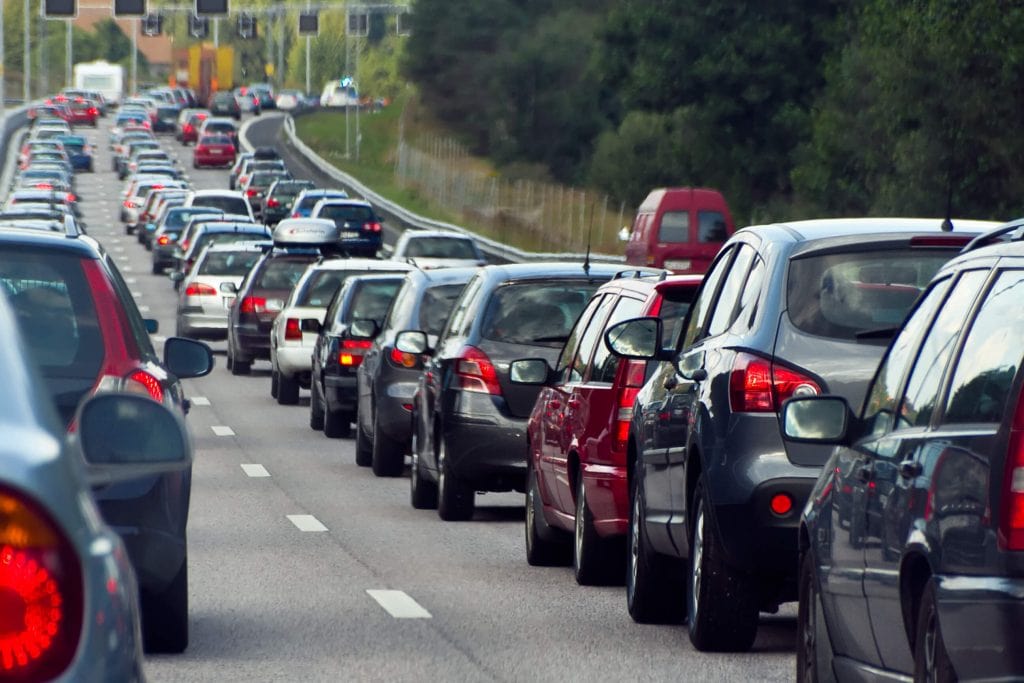
Learn about the common causes of car accidents in North Carolina with insights from Constantinou and Burkert Accident Injury Lawyers in Durham
Urban center like Durham experience heavy congestion, which increases the likelihood of traffic crashes. Stop-and-go driving, sudden lane changes, and limited space between vehicles all increase the risk of an accident.
Even outside cities, holiday traffic, construction, or detours can raise the likelihood of an accident, particularly when drivers grow impatient or make rash decisions.
The Role of Vehicle Conditions and Maintenance
Sometimes, car accidents occur due to vehicle failures. Faulty brakes, worn tires, or broken headlights can compromise control and visibility, potentially leading to accidents.
Examples include:
1. Tire blowouts on highways
2. Brake failure leading to rear-end collisions
3. Headlight malfunctions reduce night-time visibility
Manufacturers or repair shops may share liability in these cases, depending on the circumstances and available data. An experienced law firm can help you determine the right course of legal action.
Steps to Take After a Car Accident in North Carolina
If you’ve been in a car accident, taking the proper steps can protect your rights and strengthen your case:
1. Call 911 and seek medical attention for any injuries.
2. Exchange information with all involved drivers and passengers.
3. Take photos of the scene, vehicles, and road conditions.
4. File a police report and obtain a copy of it.
5. Contact a qualified car accident attorney as soon as possible.
The attorneys at Constantinou & Burkert offer consultations to help you evaluate your case, understand your legal options, and explore the number of possible ways to pursue compensation. We provide clear message guidance and include important disclaimer details to ensure transparency throughout the process.
Understanding Liability and Compensation
Determining fault in a car accident is not always straightforward. North Carolina follows a contributory negligence rule, which means that if you’re even one percent at fault, you may be barred from receiving compensation.
This makes working with a skilled car accident lawyer in Durham, NC, or elsewhere in the state, essential. Our firm can help collect evidence, interview witnesses, and build a strong claim that supports your right to recover for:
1. Medical bills
2. Lost wages
3. Pain and suffering
4. Property damage
5. Future medical care
6. Emotional distress
Legal Help From Experienced Car Accident Attorneys
At Constantinou & Burkert Accident Injury Lawyers, we’re committed to helping people across North Carolina get the justice they deserve after a crash. Whether you’re dealing with minor injuries or significant losses, we will represent your interests, protect your rights, and fight for full and fair compensation.
Our legal team brings decades of experience, a thorough understanding of traffic laws, and a client-centered approach. We handle every case with compassion, urgency, and professionalism.
Conclusion: Promoting Safer Roads for Everyone
Car accidents in North Carolina happen for many reasons—but most are preventable. By understanding the most common causes of crashes, we can each take action to make our roads safer.
Whether you’re a driver, passenger, pedestrian, or cyclist, your behavior has an impact. Avoid distractions, respect speed limits, never drive under the influence, and maintain safe distance and control at all times.
If you or someone you love has been injured, don’t wait. Contact Constantinou & Burkert Accident Injury Lawyers today for a free, no-obligation consultation. Your life, your rights, and your future matter.
Frequently Asked Questions
1. How do I report a car accident to the North Carolina Department of Motor Vehicles (NCDMV)?
You must report any accident involving injury, death, or property damage exceeding $1,000 to the NCDMV within 30 days. This is done by submitting a Report of Motor Vehicle Accident form. Failure to report can result in the suspension of your license.
2. What is the process for obtaining a copy of the police report in North Carolina?
You can request a copy of the police report from the law enforcement agency that responded to the crash. This document is essential for insurance claims and legal cases, and a small fee may be applicable for obtaining it.
3. Are there special laws in North Carolina regarding crashes involving pedestrians?
Yes. Drivers must yield to pedestrians at crosswalks, and failure to do so can result in severe penalties and liability in accident claims. Pedestrians also have the right to compensation if injured by negligent drivers.
4. Can bicyclists file claims if injured in a car accident?
Absolutely. Bicyclists involved in collisions have the right to pursue compensation for injuries and damages caused by negligent drivers under North Carolina law.
5. Does North Carolina have a “Move Over” law, and how does it relate to accidents?
Yes. The “Move Over” law requires drivers to change lanes or slow down when approaching stationary emergency vehicles, tow trucks, or highway maintenance vehicles. Violating this law increases the risk of accidents and exposes individuals to potential legal liability.
6. What role do traffic cameras and dash cams play in North Carolina car accident claims?
Video evidence from traffic cameras or dashcams can provide objective details about the crash, helping to determine fault and supporting your claim with clear visual proof.
7. How does North Carolina handle hit-and-run accidents?
Hit-and-run is a criminal offense in North Carolina. Victims should report the incident to law enforcement as soon as possible. An attorney can assist in pursuing compensation even if the at-fault driver remains unidentified.
8. Are there any North Carolina laws regulating texting while driving?
Yes. Texting while driving is prohibited for all drivers in NC. Violations can lead to fines and are a common cause of distracted driving accidents.
9. What is the role of comparative fault in multi-vehicle crashes in NC?
Although NC applies contributory negligence (meaning any fault can bar recovery), determining fault in multi-vehicle crashes can be a complex process. Legal assistance is crucial for navigating claims involving several drivers.
10. How does North Carolina’s seat belt law affect accident injury claims?
While seat belts are mandatory for front-seat occupants, failure to wear one can reduce the compensation you may receive due to “seat belt defense,” which claims injuries were worse due to not wearing a seatbelt.