When a vehicle collision occurs, the injuries suffered—ranging from concussion and lacerations to broken bones and internal trauma—can dramatically alter someone’s life. At Constantinou & Burkert Accident Injury Lawyers, we see the physical pain, emotional distress, and financial burdens that people face after a car accident in North Carolina. Understanding the full scope of complications, potential death, and long-term impact is essential for anyone involved in a crash. Our team provides reliable information and professional advice to help victims navigate the complex aftermath of collisions.
From the moment of impact, the liability of each party, claims against insurance companies, and the documentation of injuries become critical. The consequences of a crash are not limited to immediate pain—they extend to future medical care, lost wages, rehabilitation, and emotional suffering. By contacting our phone line or sending a message, victims can connect with our experienced attorneys to evaluate their situation, protect their rights, and understand the best steps to recover compensation for their injuries and damages.
The Scope of Car Accident Injuries in North Carolina
In North Carolina, car crashes and the resulting injuries and damages are unfortunately common. Each auto accident can dramatically affect the lives of the victim and others involved, creating immediate medical needs, emotional distress, and financial burdens. In addition to pursuing personal injury claims, some victims may also be eligible for workers’ compensation if the accident occurred during the course of their employment. Our team provides assistance to help victims understand their rights, navigate the legal process, and access the necessary resources. For the latest news and updates regarding car accidents and legal guidance, our site provides comprehensive information for anyone affected by a crash.
Soft‑Tissue Injuries and Whiplash
One of the most frequent injury types in auto collisions is soft‑tissue damage—injuries to muscles, ligaments, tendons, and connective tissues. These injuries often result from the sheer forces experienced in a crash.
Whiplash
A common manifestation of soft‑tissue injury is the neck strain known as whiplash, which occurs when the head suddenly moves backward and forward, such as during a rear‑end collision. Symptoms can include neck pain, stiffness, headaches, dizziness, and loss of range of motion in the neck and upper back. A person involved in a seemingly minor crash may think they’re fine—but whiplash symptoms sometimes appear hours or days later.
Although many whiplash injuries resolve with therapy and rest, some lead to chronic pain, reduced mobility, and long‑term suffering. For victims of such injuries, the firm can help evaluate the injury, ensure proper medical care is pursued, and include these damages in a compensation claim.
Broken Bones, Fractures, and Amputations
In car accidents, especially crashes involving high force or intrusion of the vehicle’s structure, bone injuries are common. Broken legs, ribs, arms, wrists, pelvis, and ankles are frequently reported.
Example fractures
– A crash into the dashboard may shatter the femur or pelvis.
– Side‑impact collisions often cause fractures of the ribs or clavicle.
When bones break, surgeries may be required, including the use of plates, screws, or rods. Rehabilitation may be extensive and include physical therapy, and time away from work, creating significant loss and damage beyond the immediate medical cost. In some of the worst collisions, limbs may be so severely injured that amputation becomes necessary. These severities trigger lifelong changes in mobility, lifestyle, employment ability, and quality of life—all part of the damages you may seek in your case.
Head Injuries and Traumatic Brain Injuries (TBIs)
Head injuries are among the most severe and life‑altering outcomes of a vehicle crash. Whether the person collides with the steering wheel, window, airbag, or is subject to forceful jostling of the brain inside the skull, the result can be a traumatic brain injury (TBI).
Types of brain injuries
– Mild concussions (temporary loss of function, memory problems).
– Contusions or coup‑contrecoup injuries (bruising of brain tissue).
– Diffuse axonal injuries (tearing of brain tissue, often resulting in permanent damage).
Damage to the brain can impact memory, speech, mobility, emotional stability, and mental health. Even when outward signs are subtle, the internal impact can be profound and may lead to significant life changes, disability, and loss. The cost of treatment, rehabilitation, caregiving, and lost wages can be substantial—and so these injuries must be included in any compensation claim.
Spinal Cord Injuries and Back/Neck Trauma
The spine is a critical structure, and persons involved in vehicle crashes often experience injuries that can have lasting effects. In a car crash, the spine may be impacted by direct trauma, flexion/extension force, or compression from the crash forces, as well as from glass shards, sudden movement, or the pressure of seatbelts and airbags. Human error and the forces of the collision can make a significant difference in the severity of spinal injuries. Spinal cord damage is catastrophic and can result in paralysis, loss of mobility, loss of bodily function, and lifelong disability, affecting every aspect of a person’s healing and daily life.
Back injuries and discs
Even when the spinal cord itself is not severed, injuries to the discs, vertebrae, ligaments, and muscles of the back and neck occur frequently in collisions. These might include herniated discs, fractured vertebrae, or ligament tears—leading to chronic pain, limited movement, reduced shoulder and back function, and significant ongoing care. A timely evaluation by a doctor can influence healing outcomes and help prevent further complications.
Neck trauma
Due to its mobility and proximity to the brain and spinal cord, the neck is particularly susceptible to injury. Injuries range from whiplash to fractures of the cervical spine to spinal cord compression. Early medical attention is crucial for preventing irreversible damage and achieving the best possible recovery outcomes. Additional resources and links on spinal injuries can provide information to guide victims through the treatment and rehabilitation process.
Internal Organ Damage, Bleeding, and Multi‑System Trauma
Auto accidents don’t just injure bones and soft tissue—they can cause internal damage to organs, blood vessels, the liver, lungs, spleen, and kidneys. The mechanism of a vehicle crash can induce three “impacts”: the crash between vehicles/objects, the body’s impact inside the vehicle, and internal organs colliding within the body. Passengers, drivers, and others in the vehicle can sustain injuries depending on the speeds involved, the position of the leg or shoulders, and the type of impact. Prompt attention from emergency responders, including the police, helps document the crash scene and improve the potential outcome for victims.
Examples of internal trauma include:
– Internal bleeding from a ruptured spleen or liver.
– Lung contusions or rib fractures puncturing the lung tissue.
– Aorta or major vessel tears due to rapid deceleration.
Since these injuries may not manifest immediate, obvious symptoms, evaluation by trauma‑care specialists in the local area is vital. The cost of emergency surgery, ICU time, and long-term follow-up care can escalate rapidly, affecting income and daily life. Therefore, it is essential to include all medical expenses, lost wages, and potential long-term benefits in any compensation or claim for damages.
Psychological, Emotional Injuries, and PTSD
Not all damage from a car crash is physical. A collision can affect the mind, life, and relationships of the person involved. Post‑traumatic stress disorder (PTSD), anxiety, depression, fear of driving, and other emotional or psychological distress are recognized injuries and forms of suffering that victims may endure. Experiencing such trauma can make even familiar roads feel unsafe, and understanding each step in the recovery process is critical for healing.
These conditions may require therapy, counseling, medication, and guidance from professionals to improve knowledge about coping strategies and long-term management. Victims should be aware of all resources, including site map tools on law firm websites that provide structured information and support options, as these emotional and psychological impacts are a legitimate part of any compensation claim.
Crash Force and Vehicle Damage Reveal and Cause Injuries
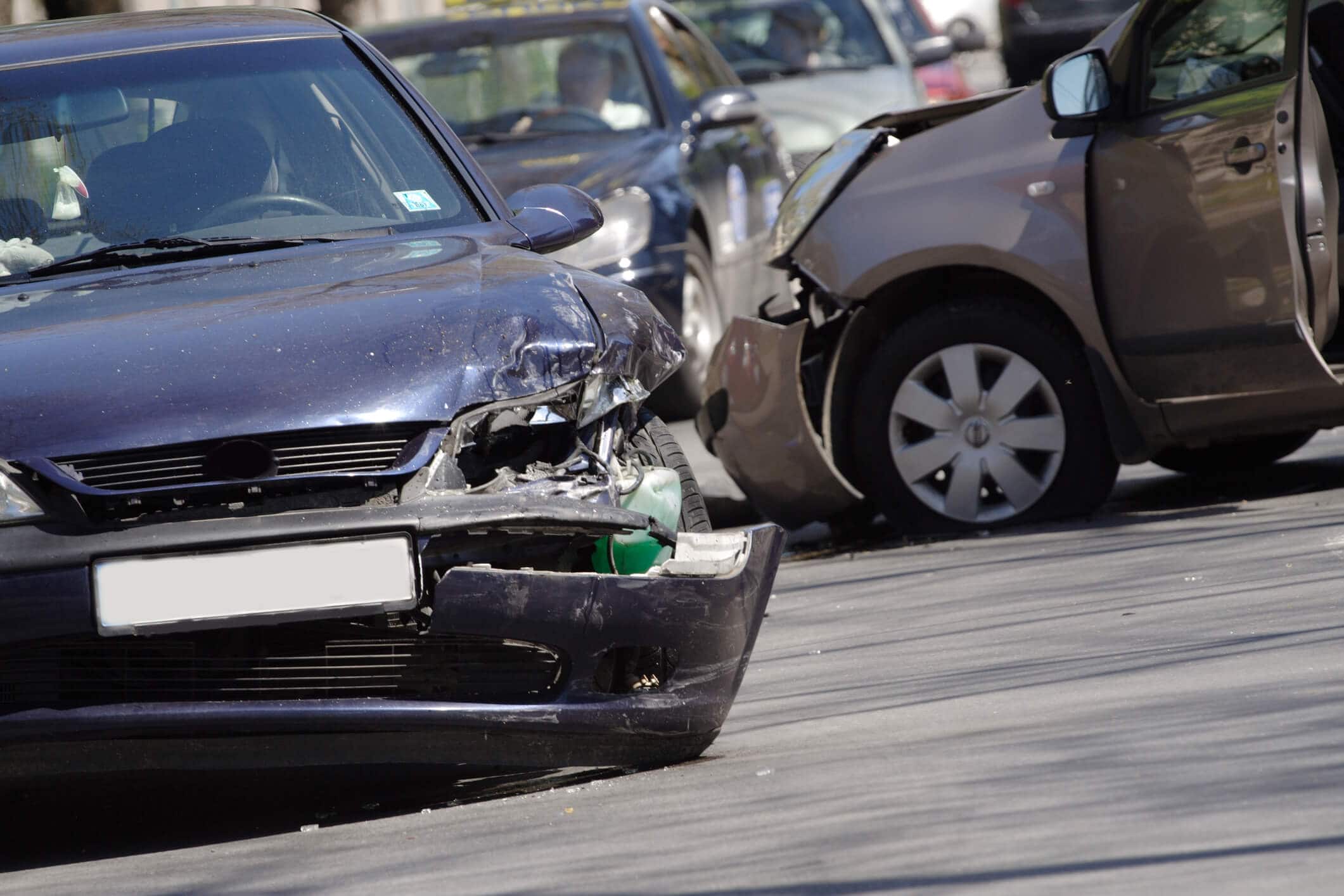
The type of collision—whether rear‑end, side‑impact, rollover, or head‑on—significantly influences the type and severity of injury. In a rear‑end crash, the risk of whiplash is high because of sudden neck motion. For side‑impact or T‑bone collisions, the intrusion into the passenger compartment often causes fractures, organ damage, or spine injury.
In worst‑case scenarios, rollovers may expose occupants to multiple impacts, ejection risks, and compound injuries. Documenting vehicle damage, intrusion, speed, and the mechanism of the crash is vital for the medical and legal evaluation of injuries and causation.
The Impact on Life, Work, and Future Costs

Discover the types of car accident injuries in Durham, North Carolina and get help from Constantinou & Burkert Accident Injury Lawyers
When someone is injured in a car crash, the consequences ripple across various areas: medical care, rehabilitation, lost wages, pain and suffering, impaired future earning capacity, and possibly lifelong disability.
Here are some of the typical cost categories and life‑impact factors victims face:
– Medical expenses: surgeries, hospital stays, rehabilitation, therapy, and medication.
– Future care: Some injuries require lifelong treatment, adaptive equipment, and home modifications.
– Lost wages and reduced earning capacity: an injury may prevent a person from returning to work or reduce their ability to perform their job effectively.
– Pain, suffering, loss of enjoyment of life: intangible losses resulting from the injury and its life‑changing nature.
– Family and relationship impact: A loved one’s injury can alter family roles, increase the caretaking burden, and take an emotional toll.
When you’re considering a case after a car accident, these are the damages that a skilled personal injury lawyer will evaluate.
The Legal Rights and Compensation Options After a North Carolina Crash
If you or someone you care about has suffered car accident injuries in North Carolina, you have rights and legal options to pursue compensation for your damages.
Fault and contributory negligence in North Carolina
North Carolina follows a contributory negligence rule. This means if you are found to be even partially at fault (even 1%) in causing the crash or your injuries, you may be barred from recovering compensation from the other party.
That makes gathering evidence, identifying fault correctly, and working with experienced car accident attorneys extremely important.
Compensation and Damages You Can Claim
In a car accident, you may seek compensation for:
– Medical expenses (past, current, future)
– Lost wages and reduced earning capacity
– Pain and suffering, emotional distress
– Permanent disability or disfigurement
– Loss of enjoyment of life
– Rehabilitation, therapy, home care, or equipment
– Property damage (often separate but related)
A qualified car accident lawyer can calculate your full range of damages and guide you through the insurance and legal process in your case.
Act Quickly to Protect Your Rights
Time is of the essence. Medical documentation, treatment records, crash investigation reports, witness statements, and photos of vehicle damage all matter. Delay may weaken your position or risk losing rights.
Law Firm Support and Services
At Constantinou & Burkert Accident Injury Lawyers, we assist accident victims with:
– Thorough evaluation of the crash, the vehicle damage, the injury mechanism, and the parties involved.
– Coordination with medical providers to document injuries, symptoms, required care, and long‑term prognosis.
– Dealing with insurance companies, handling negotiations, and, if needed, filing a lawsuit on your behalf.
– Protecting your rights in North Carolina, especially given the contributory negligence rule and the complexity of severe injury cases.
If you’ve suffered injuries in a car accident, it is wise to consult a personal injury lawyer who is familiar with North Carolina law and has experience handling crash cases.
Steps to Take After a Car Accident to Protect Your Health and Legal Rights
Whether you were the driver or a passenger, following these steps can help protect your recovery, your health, and your ability to pursue compensation:
– Seek medical attention immediately. Even if you feel okay, many injuries, such as whiplash, internal organ damage, or concussions, do not manifest symptoms right away. Early diagnosis and care improve outcomes.
– Document everything. Take photos of the crash scene, vehicle damage, and your injuries (including bruises, cuts, and swelling). Also, collect contact information for witnesses and other drivers.
– Keep records. Save all medical bills, therapy receipts, lost wage statements, and treatment plans. Track your recovery, pain levels, limitations, and lifestyle changes.
– Do not delay consulting an attorney. A qualified car accident attorney can guide you on what to say (or not say) to insurance companies, and can start gathering evidence early to support your case.
– Follow your doctor’s orders. Failing to attend therapy, missing appointments, or not following treatment can be used by insurers to argue your injuries are not as serious, or that you did not mitigate your damages.
– Don’t accept a quick, low‑ball settlement. Insurance companies often prefer to settle cases quickly and at a low cost. Once you accept a compensation offer, you may waive your rights to recover further for future care or long‑term disability. A lawyer can assess whether the offer is fair given the full scope of your injury, future prognosis, and impact on life.
Experienced Car Accident Lawyers Protect Victims’ Rights
Injury cases from car accidents can become complex—particularly when injuries are severe, lifelong, or when fault is disputed. Here’s why having experienced attorneys matters:
– They understand the medical complexities of injuries such as spinal cord injury, brain damage, organ damage, fractures, and soft tissue trauma.
– They know how to calculate future costs of care, therapy, lost wages, and life‑long impairment.
– They grasp North Carolina’s contributory negligence rule and how to build a case to avoid your recovery being eliminated because of partial fault.
– They deal with insurers on your behalf, advocate for you rather than letting you negotiate alone.
– They help you explore all possible defendants and all potential sources of compensation.
At Constantinou & Burkert Accident Injury Lawyers, our car accident attorneys work closely with medical experts, life‑care planners, and crash reconstruction specialists to build the strongest possible case on behalf of our clients.
Conclusion
Car accidents in North Carolina carry a significant risk of injury—and not just minor bumps or bruises. Injuries such as soft tissue trauma and whiplash, broken bones and fractures, head and brain injuries, spinal cord damage, internal organ injuries, and psychological distress are common and have profound implications for someone’s life.
At Constantinou & Burkert Accident Injury Lawyers, we understand the injuries that can evolve into significant damage, the types of injuries that can last a lifetime, and the toll this takes on individuals, their families, their work, and their finances. If you or a loved one has been hurt in a car accident in North Carolina, you don’t have to face the aftermath alone. Contact our team for a no‑cost consultation, learn your rights, understand your options for compensation, and let us help you recover the care, justice, and financial support you deserve. Call us today.
Frequently Asked Questions (FAQs)
What are the long-term effects of concussions from car accidents?
Many mild and severe concussions can have lasting effects on memory, concentration, and cognitive function, sometimes requiring ongoing treatment, therapy, or rehabilitation.
Can passengers claim compensation if they are injured in a car accident they didn’t cause?
Yes, passengers can pursue claims against the at-fault driver, even if they had no involvement in causing the crash.
How soon should I see a doctor after a minor car accident?
Even if injuries seem minor, it’s crucial to get a medical evaluation promptly, as conditions like whiplash, internal bleeding, or concussions can appear hours or days later.
Can soft-tissue injuries like whiplash be permanent?
While many soft-tissue injuries heal with therapy, some cases result in chronic pain, reduced mobility, or long-term limitations that affect daily life and work.
What steps can I take to document internal organ injuries for my claim?
Keeping detailed medical records, imaging results, and doctors’ notes is critical, as internal injuries may not have visible symptoms initially.
Does insurance cover psychological injuries like PTSD from a car accident?
Yes, mental health impacts such as PTSD, anxiety, and depression are recognized injuries and can be included in compensation claims.
How does human error contribute to car accident injuries?
Mistakes by drivers—like speeding, distracted driving, or failing to follow traffic rules—are common causes of crashes and can determine liability in claims.
Can workers’ compensation apply if I was injured in a car accident while on the job?
If the accident occurred during work duties or while driving a company vehicle, you may qualify for workers’ compensation benefits in addition to a personal injury claim.
What role do vehicle speeds and collision type play in injury severity?
High speeds and certain collision types, such as head-on or rollover crashes, increase the force of impact, often resulting in more severe injuries like fractures, spinal cord trauma, or internal organ damage.
How can documenting the crash scene with photos and police reports support my injury claim?
Photos of vehicle damage, road conditions, and injury evidence, along with official police reports, help establish liability and strengthen claims for medical costs, lost income, and other damages.