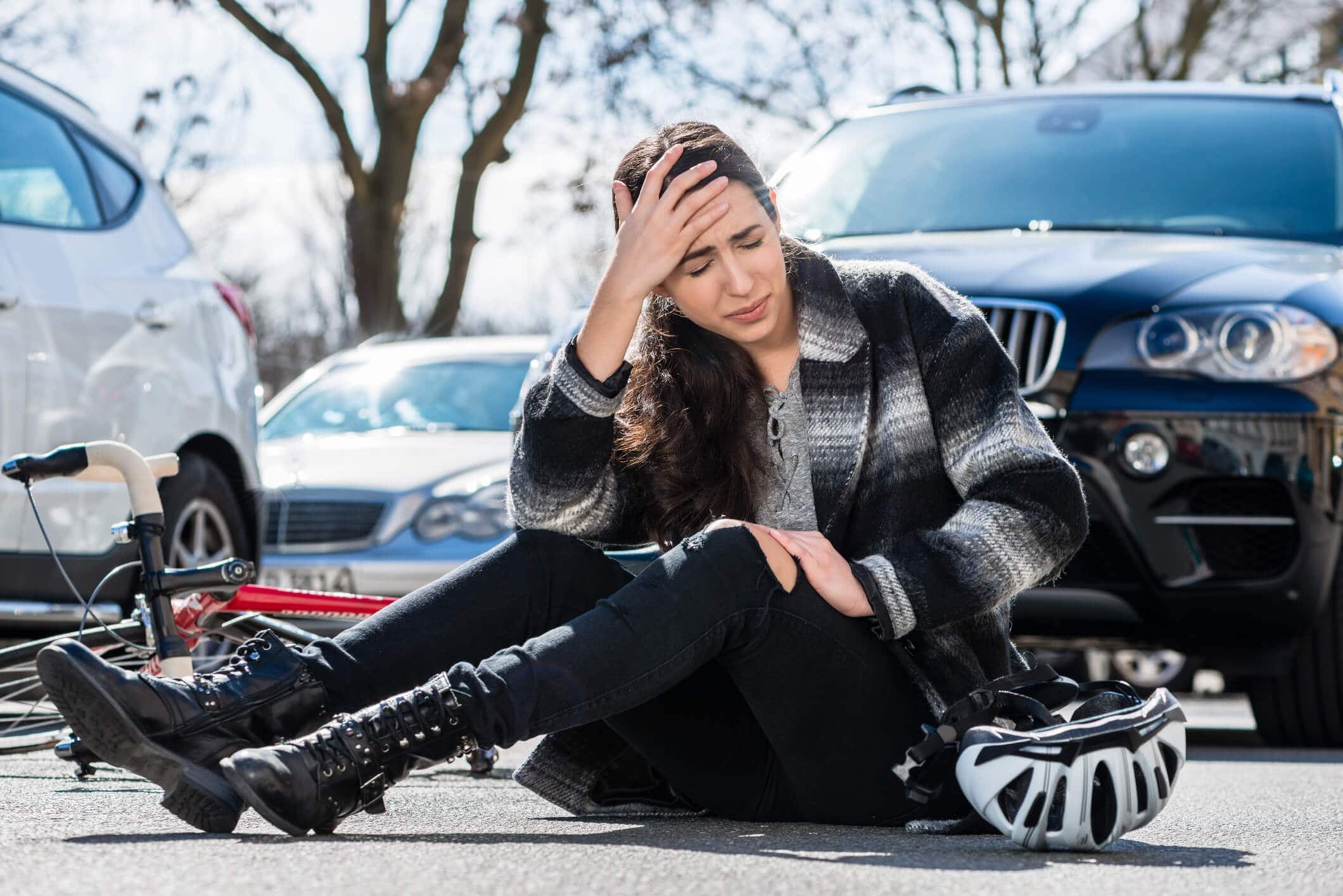
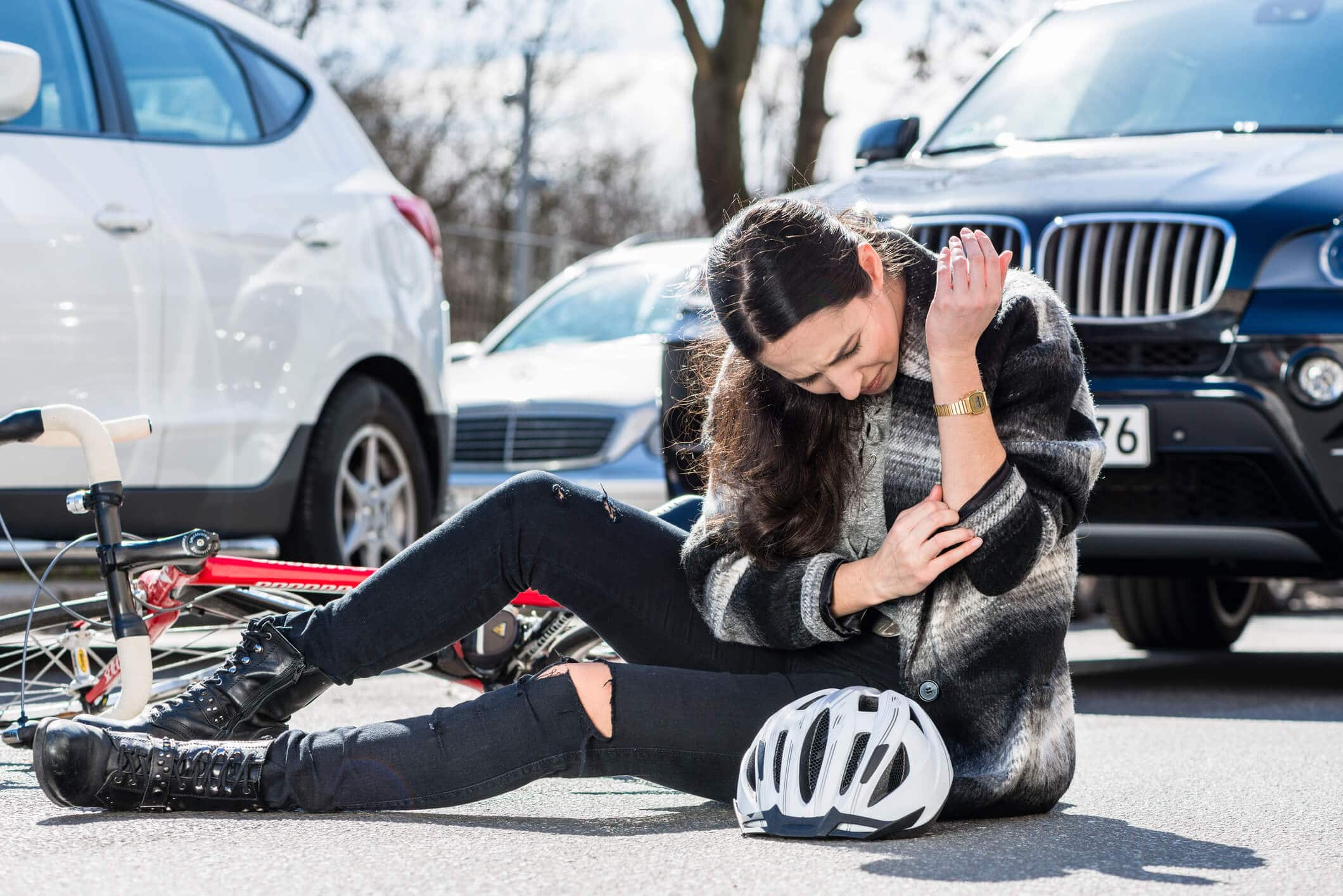
When a car hits a cyclist in North Carolina, determining who is at fault is not always straightforward. Although drivers have a responsibility to share the road safely, cyclists must also follow applicable traffic laws. The circumstances surrounding the collision determine who may be legally responsible.
In many bicycle accidents, driver negligence plays a significant role. However, a cyclist’s actions may also affect liability, particularly because North Carolina follows a strict contributory negligence rule.
Understanding how fault is determined can help injured cyclists protect their rights and recognize which evidence may be important after an accident.
Who Is Usually at Fault When a Car Hits a Cyclist?
A driver may be responsible for a bicycle accident if their negligent actions caused the collision. Examples include failing to yield, making an unsafe turn, driving while distracted, or passing a cyclist without sufficient clearance.
However, a driver is not automatically at fault simply because a car struck a bicycle. Investigators and insurance companies must consider the actions of both parties, applicable traffic laws, and the available evidence.
Determining liability generally involves establishing whether someone failed to exercise reasonable care and whether that failure caused the accident and resulting injuries.
For example, a driver who turns across a cyclist’s path without checking for approaching traffic may be negligent. On the other hand, if a cyclist enters an intersection against a red light, that conduct may affect the liability analysis.
What North Carolina Traffic Laws Apply to Cyclists and Drivers?
North Carolina generally treats bicycles as vehicles for purposes of traffic laws. This means cyclists have rights on public roads but must also follow applicable traffic regulations.
Drivers must exercise reasonable care around cyclists, including following safe passing procedures and checking for bicycles before turning or changing lanes.
Safe Passing Requirements
Under N.C. Gen. Stat. § 20-149, drivers overtaking another vehicle generally must provide at least two feet of clearance, subject to statutory exceptions.
North Carolina also has a specific rule allowing drivers to pass bicycles in certain no-passing zones. Under N.C. Gen. Stat. § 20-150(e), this maneuver is permitted only when several conditions are satisfied, including providing at least four feet of clearance or completely entering the left lane.
The four-foot provision applies to that specific passing exception. It should not be confused with the general two-foot rule under § 20-149.
Turning and Lane Changes
Under N.C. Gen. Stat. § 20-154, drivers must ensure that starting, stopping, or turning movements can be made safely and provide required signals when other vehicles may be affected.
This requirement is particularly important when a driver turns across a cyclist’s path or changes lanes near a bicycle.
Traffic Rules for Cyclists
Cyclists must also obey applicable traffic laws, including traffic signals, right-of-way requirements, and rules governing turns.
North Carolina also requires specific bicycle lighting equipment when riding at night. Under N.C. Gen. Stat. § 20-129(e), bicycles must have a qualifying front light and either a qualifying rear red light or specified high-visibility clothing, along with the required rear reflector.
Whether a traffic violation contributed to a particular collision depends on the circumstances.
Common Bicycle Accident Scenarios and Who May Be Responsible
Different types of bicycle accidents raise different questions about fault. The following examples illustrate how liability may be evaluated.
1. A Driver Hits a Cyclist While Turning Right
A right-hook accident occurs when a driver turns right across the path of a cyclist traveling in the same direction.
This may happen when a driver overtakes a cyclist and immediately turns or fails to check for a bicycle before making the turn.
The driver may be responsible if the turn was unsafe. However, the cyclist’s position, speed, direction, and compliance with traffic laws may also be relevant.
2. A Driver Turns Left in Front of an Oncoming Cyclist
Left-turn collisions may occur when a motorist misjudges a cyclist’s speed or fails to notice an approaching bicycle.
If the cyclist has the right-of-way and the driver turns across their path, the driver may be liable for failing to yield.
Investigators may examine traffic signals, turning movements, sightlines, and whether either party had sufficient time to avoid the collision.
3. A Driver Hits a Cyclist While Passing
Passing accidents may occur when a driver moves too close to a cyclist, misjudges available space, or attempts to pass where visibility is limited.
Evidence showing the vehicle’s position, passing distance, and road conditions can help determine whether the driver violated applicable passing laws.
A driver may also be negligent for attempting a passing maneuver that was unsafe under the circumstances, even when a specific statutory clearance requirement is not the only issue.
4. A Cyclist Is Hit at an Intersection
Intersection accidents often involve disputes over traffic signals and right-of-way.
For example, a driver may claim that the cyclist entered against a red light, while the cyclist may argue that the driver failed to yield during a turn.
Traffic camera footage, witness statements, and the location of the impact may help establish what happened.
5. A Cyclist Is Hit by an Opening Car Door
A dooring accident happens when someone opens a vehicle door into the path of an approaching cyclist.
Liability may depend on whether the person opening the door exercised reasonable care, whether the cyclist had room to avoid the obstruction, and the surrounding traffic conditions.
These accidents may involve a parked vehicle rather than a moving car, but the resulting injuries can still be significant.
Can a Cyclist Be Found at Fault for an Accident?
Yes. Cyclists can be found negligent when their actions contribute to a collision.
Examples of conduct that may affect fault include:
• Disobeying traffic signals or stop signs.
• Failing to yield when required.
• Making an unsafe turn or lane change.
• Riding against traffic in circumstances that violate applicable rules.
• Failing to use required lighting equipment at night.
However, the existence of a traffic violation does not automatically establish that the cyclist caused the accident.
The conduct must be evaluated in relation to the collision, including whether it contributed to the injuries.
How Does Contributory Negligence Affect Bicycle Accident Claims in North Carolina?
North Carolina follows the doctrine of contributory negligence, which can significantly affect bicycle accident claims.
Under this rule, an injured cyclist whose own negligence contributed to the accident may be barred from recovering damages, even when the driver was also negligent.
For example, suppose a driver fails to yield while turning, but the cyclist was also violating a traffic rule that contributed to the collision. The cyclist’s conduct could become a central issue in determining whether compensation is available.
However, contributory negligence is not automatic simply because an insurance company alleges that the cyclist did something wrong.
There are also limited legal exceptions, including the last clear chance doctrine. Depending on the evidence, this doctrine may permit recovery when a defendant had the final reasonable opportunity to avoid an accident but failed to do so.
Because these issues are fact-specific, determining whether contributory negligence applies often requires a careful review of the accident.
For more information, see our guide to contributory vs. comparative negligence in North Carolina.
What Evidence Helps Determine Fault in a Bicycle Accident?
Establishing fault often depends on evidence showing how the collision occurred and whether either party failed to follow traffic laws or exercise reasonable care.
Important evidence may include:
• Police accident reports: These may contain information about the collision, involved parties, witnesses, and responding officers’ observations.
• Traffic camera or dashcam footage: Video may help establish vehicle movements, traffic signals, and the sequence of events.
• Witness statements: Independent witnesses may provide information about how the driver and cyclist behaved before the collision.
• Photographs: Images of the roadway, bicycle, vehicle damage, traffic signs, and surrounding conditions may help reconstruct the accident.
• Physical evidence: Debris, skid marks, vehicle damage, and impact locations may provide clues about the collision.
• Medical records: Treatment records document injuries and may help connect them to the accident.
In complicated cases, accident reconstruction specialists may analyze physical evidence to determine how the collision likely occurred.
Preserving evidence as soon as possible is important because surveillance recordings may be deleted, physical evidence may disappear, and witness memories can fade.
What Should You Do If a Driver Blames You for the Bicycle Accident?
After a bicycle accident, a driver or insurance company may argue that the cyclist caused or contributed to the collision.
Because of North Carolina’s contributory negligence rule, these allegations can have serious consequences for an injury claim.
If you are blamed for an accident, consider the following steps:
- Seek medical attention. Have your injuries evaluated and follow your healthcare provider’s recommendations.
- Report the accident. Contact law enforcement when appropriate and provide an accurate account of what happened.
- Preserve available evidence. Keep photographs, witness information, damaged equipment, and relevant documents.
- Avoid guessing about fault. Describe what you observed without making assumptions about the cause of the collision.
- Be cautious with insurance statements. Review requests for recorded statements or settlement agreements carefully.
- Consider legal guidance. An attorney can review the evidence and explain how North Carolina’s negligence rules may affect your claim.
An insurance company’s initial assessment of fault does not necessarily settle the legal question of liability.
How Can a North Carolina Bicycle Accident Lawyer Help?
When a car hits a cyclist, determining liability may require more than reviewing the police report. Disputed right-of-way, passing distances, traffic signals, and contributory negligence allegations can complicate the case.
A personal injury attorney can evaluate the circumstances, review available evidence, identify potentially responsible parties, and explain the legal options available to an injured cyclist.
Constantinou & Burkert Accident Injury Lawyers represents individuals injured in motor vehicle and bicycle accidents in Durham and surrounding North Carolina communities.
If you were injured while cycling, our Durham bicycle accident lawyers can review your situation and help you understand your options. Call (919) 683-1302 to schedule a free consultation.
Frequently Asked Questions About Bicycle Accident Fault in North Carolina
1. Is a driver automatically at fault for hitting a cyclist in a bike lane?
No. A bike lane may be important evidence, but liability still depends on how the collision happened, applicable traffic laws, and whether either party acted negligently.
2. Can a cyclist be at fault for hitting the back of a car?
Yes. A cyclist may be responsible if they fail to exercise reasonable care. However, a sudden unsafe stop or other conduct by the driver may also be relevant. The circumstances determine liability.
3. Does riding without a helmet make a cyclist responsible for an accident?
Not automatically. North Carolina’s bicycle helmet requirement generally applies to riders younger than 16, and the statute expressly limits the use of violations of that requirement to establish negligence or liability. Other circumstances must be evaluated separately.
4. Who may be responsible if a cyclist is hit by a commercial vehicle?
The driver may be responsible if negligence caused the collision. Depending on the circumstances, the driver’s employer or another party may also have legal responsibility.
5. Can a cyclist pursue a claim if the driver leaves the scene?
Potentially. A cyclist injured in a hit-and-run accident may have options depending on the available evidence, whether the driver is identified, and whether applicable insurance coverage is available.
This article is for general informational purposes and does not constitute legal advice. For guidance specific to your situation, consult a licensed North Carolina attorney.