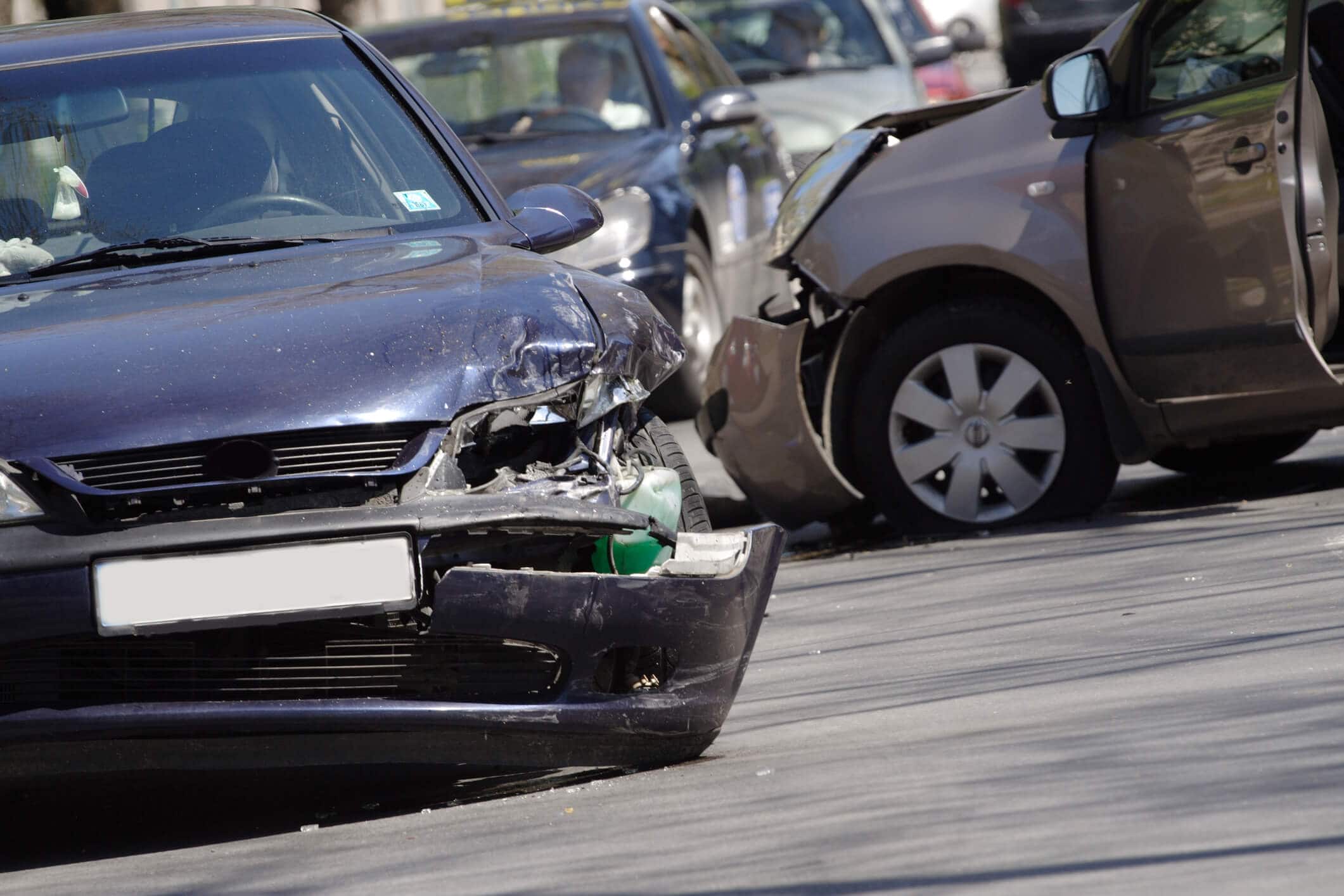
Navigating the world of auto insurance can feel like trying to decode a secret language, especially with all the changes coming in 2025. If you’re a driver in North Carolina, understanding your insurance policy limits is key to keeping you and others protected on the road. With new regulations raising liability coverage requirements, it’s more important than ever to know what these changes mean for you. Not only can choosing the right coverage save you from a hefty financial burden in case of an accident, but it also ensures you’re compliant with state law. So, if you’ve been scratching your head about what to do next, don’t worry—let’s break down exactly what you need to know about auto insurance in North Carolina this year.
In 2025, North Carolina will implement increased auto insurance liability limits aimed at providing greater financial protection for drivers involved in accidents. It is crucial for motorists to stay informed about these changes, as they will impact required coverage amounts and potentially influence premium rates; consulting with your insurance provider for specific details is highly recommended.
Overview of North Carolina Auto Insurance
North Carolina operates under an at-fault insurance model, which means that if you’re the one who causes an accident, your insurance is responsible for covering the damages. This places a unique responsibility on drivers to secure a policy and to ensure they understand what their coverage entails. It’s crucial to choose a policy that adequately reflects both your needs and the realities of driving in North Carolina, where approximately 13% of drivers do so without insurance. This statistic underscores the importance of being prepared; you never know when you might need that extra layer of protection.
For those new to driving in this region, it’s essential to comprehend how liability policies work. If you’re deemed at fault in an accident, your insurance company will cover costs related to injury or damage up to your policy limits. So ask yourself: are your current limits sufficient? With changes coming into effect on July 1, 2025, increasing minimum liability coverage from $30,000 to $50,000 per individual for bodily injury, it’s imperative that drivers reassess their current policies soon and adapt to these regulations.
This situation creates a ripple effect. Drivers facing increased financial responsibility need to consider adjusting their premiums while keeping pace with evolving regulations. One helpful aspect of the at-fault system is understanding that compensation does not solely hinge on fault; it encompasses potential damages like medical bills, lost wages, and pain and suffering. Comprehensive insight into these offerings helps clarify how much protection you really need.
In this context, selecting adequate liability limits becomes less about mere compliance and more about safeguarding your financial future in case an unfortunate event occurs. Knowledge truly is power when it comes to navigating your insurance choices effectively.
To further explore the specifics required for maintaining compliance and securing effective coverage as a driver in North Carolina, we transition now to examining the critical requirements set forth by state law.
Minimum Liability Coverage Requirements
Effective July 1, 2025, it’s essential for North Carolina drivers to grasp the significance of the new auto insurance minimum liabilities. The updated limits are set at $50,000 for bodily injury per person, $100,000 per accident for bodily injuries, and $50,000 for property damage. These adjustments not only raise the baseline of insured amounts but also aim to enhance protection for all drivers involved in an accident.
This change reflects a long-overdue recognition that medical expenses and property repairs can quickly escalate in today’s environment. It’s not uncommon for serious accidents to lead to costs well beyond the previous limits of $30,000 and $60,000 for bodily injury as well as $25,000 for property damage. Imagine being in a situation where you cause an accident that results in significant medical bills or extensive damage to another vehicle. Without adequate coverage, you could face financial repercussions that put you at risk of overwhelming debt.
New Liability Limits
The revised minimum liability limits directly address this concern by ensuring victims receive appropriate compensation. The guidelines mean that if you’re involved in a car accident and found liable, your insurance company will cover up to $50,000 for an individual’s medical expenses and up to $100,000 total for all individuals involved in the accident. Similarly, concerning property damage claims, up to $50,000 is provided to ensure complete coverage of damages incurred. This system provides a more secure financial cushion for all parties during such distressing times.
Understanding how liability coverage works is crucial given these new limits.
Understanding Liability Coverage
Liability coverage essentially protects you if you’re deemed responsible for an accident. Let’s say you’re driving on a busy street and suddenly—out of nowhere—you collide with another vehicle. If that driver incurs substantial medical expenses amounting to $70,000 due to injuries sustained from your negligence while the injuries fall within the bounds of covered expenses under your liability policy; your insurance will cover up to $50,000 towards those costs. However, you’ll be personally liable for the remaining $20,000 unless you have additional coverage options available.
It’s clear that having a solid understanding of your policy not only gives you peace of mind but also safeguards against unexpected financial burdens in the event of an accident. The increased coverage limits help provide better protection; however, personal responsibility remains paramount.
As we can see, effective auto insurance isn’t just about compliance with state laws but about ensuring that one is adequately equipped to handle potential mishaps and their fallout. Knowing what your policy covers and exceeding basic limits may be a wise strategy as you consider your individual needs moving forward. Each new limit presents an opportunity to re-evaluate and adjust your policy to best fit your lifestyle and potential risks.
With this foundation laid out regarding liability coverage, let’s now explore the various types of coverage available that can further protect you on the road.
Types of Coverage: Bodily Injury, Property Damage, Uninsured Motorist
Each type of coverage protects you in distinct scenarios, and they work together to form a safety net in case of an accident. It’s important to familiarize yourself with each to ensure that you are adequately protected.
Bodily Injury Liability
Bodily injury liability (BIL) coverage is essential for safeguarding your financial future. Imagine you’re driving and get into an accident where another party is injured—this is where BIL comes into play. It covers medical expenses, lost wages, and even legal fees that may arise if you’re held responsible for someone else’s injuries.
Think about it like this: if you were to hit a pedestrian or were involved in an accident where someone was hurt, your bodily injury liability would step up and cover their hospital bills up to the limit set by your policy.
Having adequate bodily injury coverage is not just a matter of financial protection; it also provides peace of mind while on the road. After all, being involved in an accident can be emotionally taxing, and worrying about bills shouldn’t add to that stress.
Property Damage Liability
Property damage liability (PDL) functions similarly, but it focuses on the costs associated with damages you might cause to someone else’s property. If you crash into another driver’s vehicle, damage a mailbox during a parking mishap, or collide with a fence, PDL will cover repair or replacement costs.
Without this coverage, you could be facing hefty repair bills alongside potential lawsuits or claims made against you for the damages caused. These expenses can easily escalate beyond what most people can afford out-of-pocket, leading to financial stress that could linger long after the incident.
It’s worth noting that North Carolina’s minimum property damage coverage will soon increase from $25,000 to $50,000 starting July 2025—a change that highlights how important it is to reassess your current limits before you need to rely on them.
Uninsured/Underinsured Motorist Coverage
Arguably one of the most critical forms of coverage in North Carolina’s insurance landscape is Uninsured/Underinsured Motorist coverage (UM/UIM). With a significant number of drivers on the road who may be uninsured or lack adequate insurance limits, this coverage is designed to protect you if you’re hit by an uninsured driver or someone whose policy doesn’t cover your damages.
Consider this scenario: you are involved in an accident caused by a driver who doesn’t have insurance at all or one whose coverage falls short of your repair costs. In this situation, without UM/UIM coverage, you would likely face the daunting task of covering those expenses yourself. This could mean paying for your vehicle repairs or medical bills out-of-pocket, which can quickly drain anyone’s savings.
Having Uninsured/Underinsured Motorist coverage ensures that you’re equipped to handle such situations without incurring overwhelming financial burdens. As you prepare for the upcoming changes in North Carolina’s auto insurance landscape, it’s prudent to review and perhaps enhance this aspect of your policy.
With a clearer understanding of these essential coverages under your belt, we can now explore how specific limits play a pivotal role in shaping both your financial responsibilities and protections.
Policy Limits: Financial Responsibility and Protection

Information on 2025 auto insurance policy limits from Constantinou and Burkert Accident Injury Lawyers in Durham North Carolina.
Policy limits are more than just numbers on a piece of paper; they serve as a protective barrier between you and significant financial exposure in the event of an accident. A policy with a specified limit, like $100,000 for bodily injury, indicates that this is the absolute maximum your insurance will cover for injuries to any one person.
It’s essential to recognize that while higher limits typically result in higher premiums, they also provide crucial protection against potentially devastating costs stemming from accidents.
Investing in higher policy limits can be seen as a safety net that cushions you from severe financial repercussions.
Financial Responsibility
Think about it this way: if you’re behind the wheel and involved in an accident where the other party incurs significant medical expenses, limited coverage means facing possible out-of-pocket costs exceeding your limits. Higher limits safeguard against such liabilities. It’s a trade-off affecting your budget today but could save you from financial ruin tomorrow.
This balance between premium cost and coverage limit is essential to consider. Many drivers get caught in the cycle of chasing lower premiums without realizing they might be sacrificing critical safety in their policies. For instance, substantial medical bills or damage claims arising from an accident can lead to overwhelming debt or even bankruptcy with inadequate coverage.
Protection Scenarios
Picture this scenario: you’re involved in a multi-car pileup where medical expenses soar over $200,000 due to multiple injuries. A policy limit of $100,000 means that you’re liable for anything above what your insurance covers—putting your finances at serious risk.
Here lies the value of understanding your coverage limits not just as requirements but as your shield against potential disaster.
| Policy Limit Type | Amount Covered |
|---|---|
| Minimum | $50,000 per person, $100,000 per accident |
| Moderate | $100,000 per person, $300,000 per accident |
| High | $250,000 per person, $500,000 per accident |
This table illustrates different policy limit scenarios. While minimum coverage may seem appealing initially due to its low cost, it often leaves significant gaps in protection. Conversely, opting for moderate or high limits increases your financial safety net in case of serious incidents, alleviating anxiety over unforeseen circumstances.
As we further explore the world of auto insurance, it’s vital to understand how different types of coverages supplement these limits and enhance your overall protection on the road.
Collision and Comprehensive Coverages Explained
Collision and comprehensive coverages are integral parts of auto insurance that serve specific purposes when it comes to protecting your vehicle. Understanding these two types of coverage can help you make informed decisions for your policy, especially with upcoming changes in regulations beginning July 1, 2025.
Collision Coverage
Collision coverage is designed to pay for damages to your vehicle resulting from any collision, whether it’s with another car or an object like a tree or guardrail. Imagine you’re navigating a tight parking space and misjudge the distance, leading to a scrape against a concrete pillar. In this case, your collision coverage would step in, covering repair costs up to your car’s actual cash value minus your chosen deductible. This means if you have a $500 deductible and the damage costs $3,000 to repair, the insurance pays $2,500 after you’ve covered your deductible.
It’s worth considering what deductible makes sense for your financial situation; lower deductibles result in higher premiums but less out-of-pocket expense during repairs.
Comprehensive Coverage
On the other hand, comprehensive coverage acts as an umbrella that protects against non-collision-related events. This could include theft, vandalism, fire, or natural disasters such as hailstorms or floods. Let’s say a severe storm rolls through town, and you find yourself faced with a dented roof due to hailstones. Here, comprehensive coverage would come into play, covering those repair expenses without affecting your collision coverage.
One important aspect to keep in mind is that comprehensive coverage typically also covers animal collisions; if you were to hit a deer on a dark country road, this type of coverage would help with the repairs needed afterward.
Understanding these coverages is particularly crucial given the new legislative mandates in North Carolina effective July 1, 2025. With increasing minimum liability limits and mandatory underinsured motorist coverage, being well-versed in all aspects of your insurance becomes vital.
Knowing how these coverages function sets a solid foundation as we now explore essential details regarding medical payments and how to choose the right plan for your needs.
Medical Payments, Deductibles, and Selecting the Right Plan
Medical payments coverage, often referred to simply as MedPay, plays an essential role in safeguarding your financial well-being if you’re involved in an accident. This type of coverage ensures that medical expenses for you and your passengers are covered, regardless of who is at fault.
Imagine this: you or a loved one sustains injuries in an accident, and with MedPay in place, medical bills are paid quickly and efficiently without lengthy delays tied to liability determinations. It’s like having a safety net waiting just for you, providing peace of mind and helping alleviate the stress that often accompanies accidents.
But while MedPay offers great support, it’s also important to understand how deductibles work when selecting an insurance policy.
Understanding Deductibles
A deductible is the amount you agree to pay out of pocket before your insurance kicks in to cover any additional costs. Think of it as your ownership stake in the claim—your investment before your insurance takes over.
This amount can vary based on your selected plan, making it vital to choose wisely. Balancing between a higher deductible that lowers your monthly premium and a lower deductible that minimizes your upfront costs is key. For instance, common deductible amounts include $250, $500, and $1,000.
Choosing a deductible is like deciding how much risk you’re willing to take; the right choice aligns your financial capability with your protection needs.
Armed with a strong understanding of medical payments and deductibles, we can now explore how to select the right plan tailored to your unique situation.
Selecting the Right Plan
When it comes to choosing an insurance plan, several personal factors come into play. Start by reviewing your financial situation—do you have savings set aside for emergencies? Your driving habits also matter; if you find yourself on the road daily for work or leisure pursuits, opting for higher liability limits may offer better protection.
Consider someone who enjoys modifying their vehicle; they might find greater value in comprehensive coverage that protects them against risks potentially associated with their investments. On the other hand, an infrequent driver might prefer higher deductibles and lower premiums, allowing them to save money since they’re not on the road as often.
Evaluate what matters most to you—whether it’s protecting valuable modifications or minimizing costs—and let that guide your decisions when crafting an insurance plan that meets not just your needs today but also your needs in the future.
Finally, with all this knowledge at hand regarding North Carolina auto insurance policy limits in 2025, you’re now ready to make informed decisions about selecting an appropriate policy that serves you best.
For further personalized advice and more detailed guidance, be sure to visit our site at CB Law NC.
In summary, being knowledgeable about medical payments coverage and deductibles arms you with the tools needed for navigating the intricacies of auto insurance effectively. Your proactive approach can lead to significant benefits and protections while driving in North Carolina.