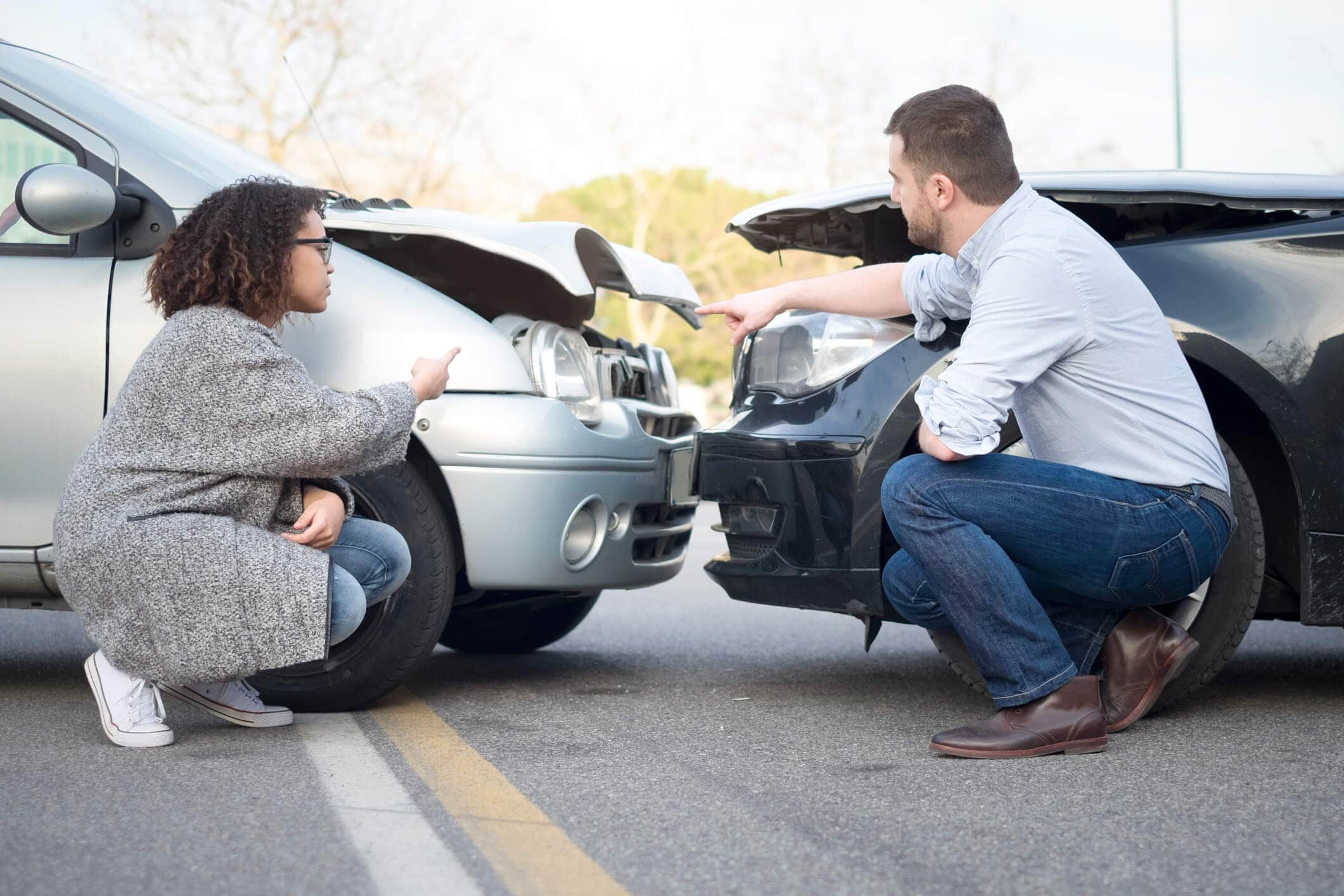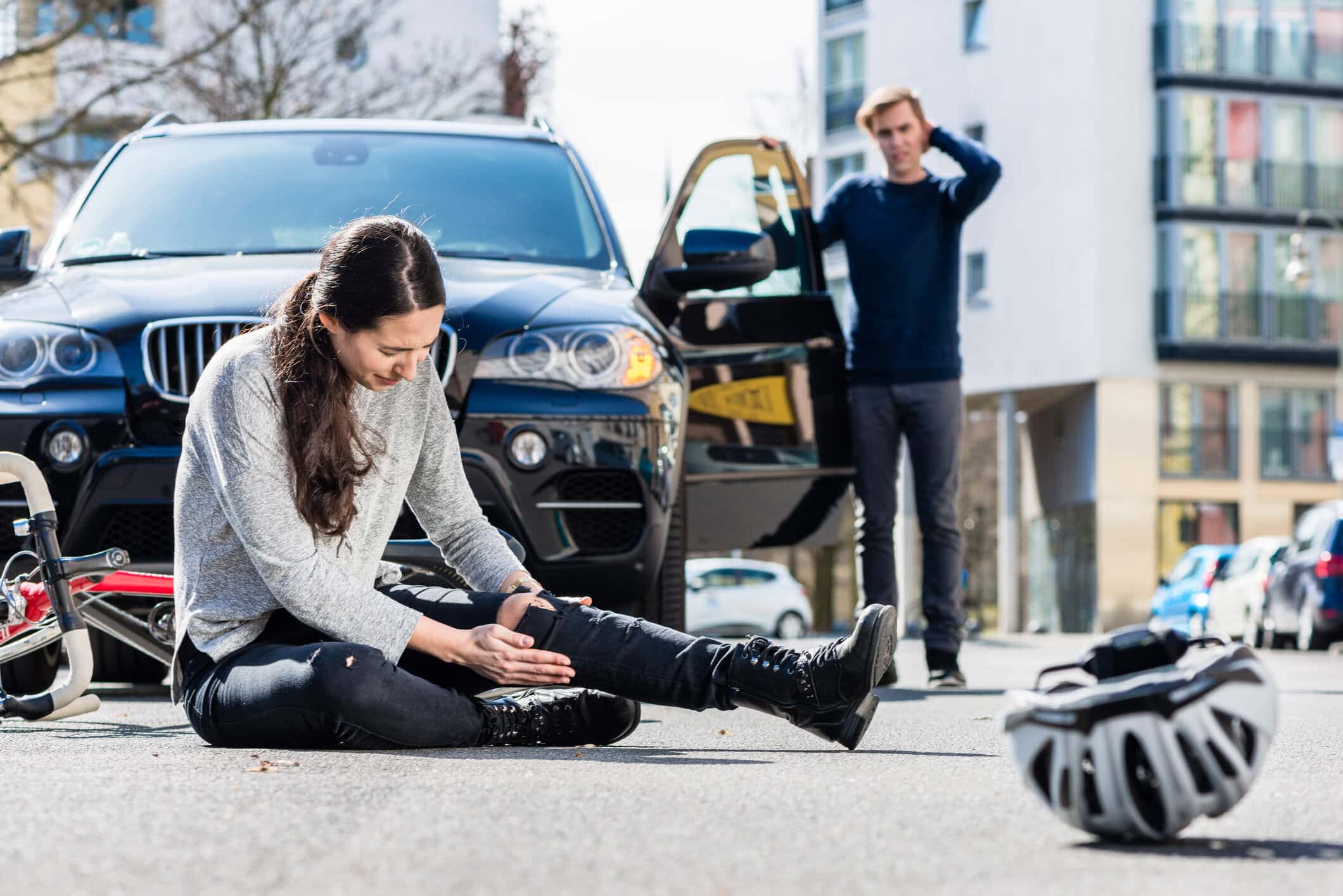
Every article on this topic gives you some version of the same warning: don’t post about your accident, don’t share photos of yourself being active, keep your accounts private. That advice is correct. What almost none of those articles explain is why social media is specifically more dangerous in a North Carolina personal injury case than it is in a case in almost any other state, and understanding that reason changes how seriously you should take the warning.
Why North Carolina Makes This More Dangerous Than Most States
Most states use a comparative negligence standard in personal injury cases. Under comparative negligence, if you are found to be partially at fault for your accident or your injuries, your damages are reduced proportionally. A plaintiff found 20 percent at fault recovers 80 percent of their damages. The system rewards partial liability with partial recovery.
North Carolina still uses contributory negligence, one of the strictest fault doctrines remaining in the United States. Under North Carolina’s rule, if you are found even one percent at fault for the accident or for the extent of your injuries, you are barred from recovering anything. Not a reduction. A complete bar.
This is the context that transforms a social media post from a problem that dents your damages into a problem that ends your case. In a comparative negligence state, a photo of you hiking two weeks after a car accident might reduce your pain and suffering award. In North Carolina, if that photo, combined with other evidence, supports an argument that you weren’t as injured as claimed, or that you were engaging in activity inconsistent with your alleged limitations, it can give an insurance company exactly what it needs to assert a contributory negligence defense, in this case perhaps the argument that you aggravated your own injuries, and potentially bar your recovery entirely.
Insurance adjusters in North Carolina know this rule very well. Their job is to find the fact that closes the contributory negligence loop, and your social media feed is one of the first places they look.
How Social Media Evidence Gets Into Your Case
A common misconception is that private account settings provide meaningful legal protection. They don’t. Under North Carolina’s Rules of Civil Procedure, specifically Rule 26, parties can obtain discovery of any electronically stored information that is relevant to the subject matter of the case. Social media content, regardless of whether the account is set to private, falls within the scope of electronically stored information that is discoverable when it is relevant to the claims or defenses in the lawsuit.
Courts that have addressed social media discovery have generally held that privacy settings do not create a privilege. The question is relevance, not privacy. If the defense can show that your social media accounts are likely to contain information relevant to the nature and extent of your injuries, your daily activities, or your emotional state, a court can order production of that content even from a private account.
What this means in practice is that switching your account to private after an accident does not protect the content already there from being ordered produced in discovery. And deleting posts after a lawsuit is filed, or after you reasonably anticipate one, creates a separate and serious problem: spoliation of evidence, which can result in sanctions against you in the litigation and, in some cases, an instruction to the jury that they may draw an adverse inference from the deletion.
The Four Specific Risks, Explained Plainly
Photos and videos that contradict your injury claims. This is the most commonly discussed risk, and it’s real. A photo of you at a concert, at a child’s sporting event, or on a hiking trail, regardless of how you actually felt that day, can be used to argue that your claimed limitations are not as severe as you’ve represented. Defense attorneys and adjusters specifically look for content that appears to show physical activity inconsistent with your alleged injuries.
Statements about the accident itself. Anything you write about how the accident happened, who was at fault, or what you were doing beforehand can be used against you. People are often compelled to tell their side of the story publicly, especially when they feel wronged. That impulse, however understandable, creates evidence that can be used to construct a contributory negligence argument.
Posts about your recovery that seem inconsistent. This category is more subtle. If you tell your doctor you cannot perform certain activities and then post about activities that appear inconsistent with that limitation, you’ve created a credibility problem that defense counsel can exploit at deposition and trial.
Timing-related metadata. Social media posts carry metadata that can reveal when and where they were taken. A post geotagged at a location inconsistent with your stated whereabouts, or timestamped during a period when you claimed to be incapacitated, can create factual contradictions that are difficult to explain.

What to Actually Do
The practical guidance in these situations is more specific than “don’t post anything.”
From the moment of the accident and for the duration of your claim, treat your social media accounts as if anything you post will be seen by the insurance company’s attorney, because eventually it may be. That includes direct messages on some platforms, depending on the scope of any discovery order.
Do not delete existing posts without first speaking to your attorney. As noted above, deletion after a lawsuit is filed or reasonably anticipated can constitute spoliation of evidence and create a serious problem of its own.
Do not change your account’s privacy settings, and assume that resolves the issue. Address the question of what’s already there by talking to your attorney about what exists and whether any of it creates exposure.
Do not discuss the accident, your injuries, or your claim with anyone on social media, including by responding to concerned messages in comment threads. The intended audience of a supportive comment thread is your friends; the practical audience may eventually include opposing counsel.
And if friends or family members post content tagging or featuring you, either have those posts removed or, at minimum, make sure your attorney is aware of them before they surface in discovery.
What This Means for Your Case
A personal injury case in North Carolina is won or lost at the margins more often than people realize. The contributory negligence bar is not theoretical; it is an argument insurance companies make regularly in NC cases when they find any foothold, and social media posts have become one of the most common sources of that foothold. Managing your social media presence during an active claim is not an overreaction. It is basic claim hygiene that your attorney will almost certainly address with you in a first meeting.
If you’ve been injured in an accident in Durham or anywhere in North Carolina, contact Constantinou & Burkert Accident Injury Lawyers for a consultation. Our Durham personal injury lawyers can review your case and explain how North Carolina’s laws may affect your claim..
Frequently Asked Questions: Social Media and NC Personal Injury Claims
Can the insurance company access my private social media accounts?
Not directly without your consent or a court order. But in active litigation, under North Carolina Rule 26’s electronically stored information provisions, a court can order production of private social media content if it is relevant to the claims or defenses in the case. Privacy settings do not create a legal privilege, and courts have generally held that a party’s expectation of privacy in social media does not override the other party’s right to relevant discovery.
Should I delete my social media posts after an accident?
You should not delete posts without first speaking to your attorney. Once a lawsuit is filed, or once litigation is reasonably anticipated, destroying relevant evidence, including social media posts, can constitute spoliation. Courts can sanction parties for spoliation and, in some circumstances, instruct the jury that it may draw a negative inference from the fact that evidence was destroyed. If you have posts you’re concerned about, discuss them with your attorney before taking any action.
Does making my accounts private protect me during a personal injury claim?
Not in the way most people expect. Switching to private prevents casual viewing but does not prevent a court-ordered production of your content in discovery. Insurance companies and defense attorneys know this, and courts that have addressed the issue have been clear that privacy settings don’t create a privilege. Making accounts private after an accident is not a substitute for actually managing what you post going forward.
Why is social media especially risky in a North Carolina personal injury case?
Because of North Carolina’s contributory negligence rule. In most states, a social media post that suggests some level of fault on your part reduces your recovery proportionally. In North Carolina, a finding of even one percent contributory negligence bars your entire recovery. Social media content that gives an insurance company a foothold to raise that defense, even a seemingly minor post, can potentially eliminate your right to any compensation.
What if a friend tags me in a post that could hurt my claim?
Content that tags or features you can be just as problematic as content you post directly, because it may surface in the same discovery request. Ideally, ask the friend to remove the post. At a minimum, let your attorney know it exists so they can advise you on how to handle it and whether it creates any exposure that needs to be addressed proactively.