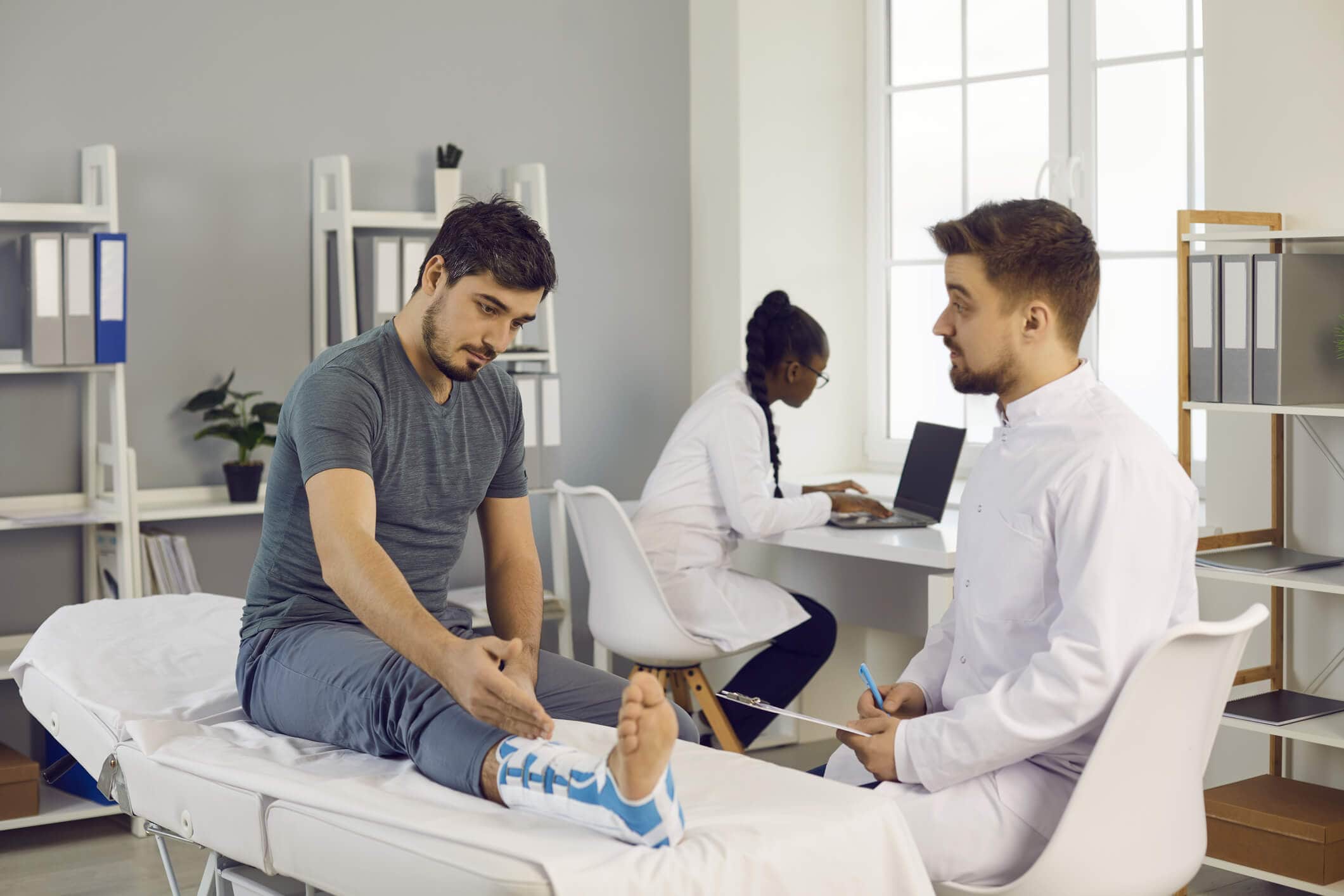
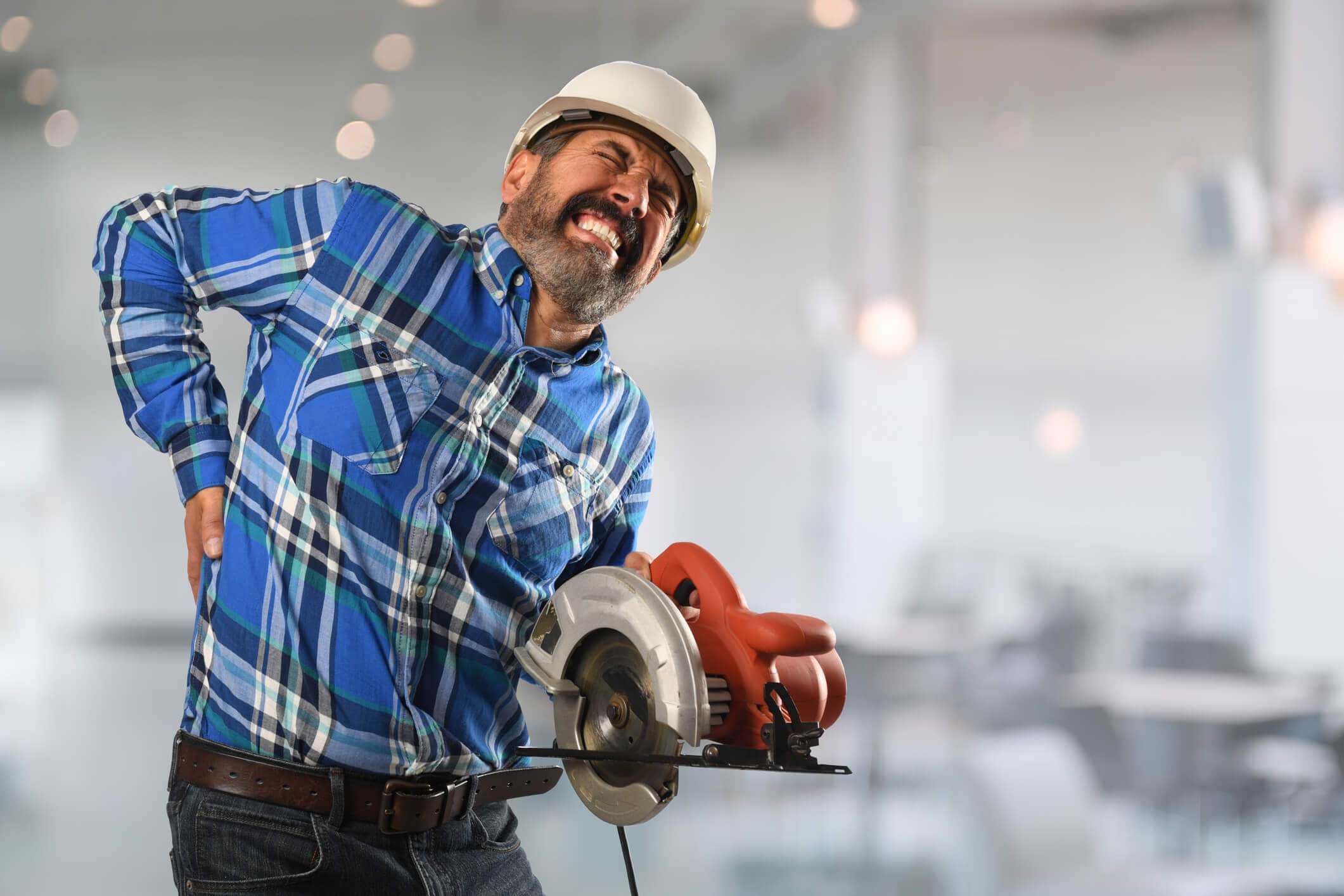
At Constantinou & Burkert Accident Injury Lawyers, we understand the impact workplace injuries can have on employees and their families. Across North Carolina, workers in a variety of industries face daily risks that can result in serious injuries, illnesses, or even workplace deaths. Our firm provides protection and guidance to people injured in workplace accidents, helping them secure workers’ compensation benefits and navigate the complex legal landscape.
Workplace injuries can occur in nearly any occupation, whether someone works in construction, manufacturing, transportation, or an office setting. Some accidents are caused by slips, trips, and falls, while others result from overexertion, repetitive motion, or incidents involving machinery and equipment. Understanding the different types of workplace injuries and the factors that contribute to them is essential for employers, employees, and anyone seeking information or consultation from an experienced attorney or lawyer about filing a workers’ compensation claim.
Falls Are a Leading Cause of Workplace Accidents
Falls continue to be one of the most common workplace injuries in North Carolina and across the United States. Our experience shows that falls can happen in a wide range of jobs, from construction workers navigating ladders or roofs to office employees tripping over objects or slipping on wet floors. The nature of these incidents and the type of fall can vary. Still, the dangers remain significant and often result in severe trauma, including head injuries, back injuries, fractures, and even fatalities. The results of such accidents can have lasting effects on a person’s life, and our blog often shares information, testimonials, and guidance to validate these risks.
Employees who experience falls may suffer long-term consequences, including neck or spinal injuries, sprains, strains, tears, and other reaction injuries. Employers across the state have a legal obligation to maintain safe workplaces, provide proper safety equipment, and offer training to prevent slips, trips, and falls. Despite these precautions, workplace accidents still occur, and our services help clients navigate the workers’ compensation claim process. We provide guidance on every form and step necessary to seek compensation for medical expenses, lost wages, and other damages resulting from the incident. If a person experiences a fall, we encourage them to call our office to send a message or request a consultation. A brief disclaimer: the information in this blog is intended for general guidance and validation purposes, and is not a substitute for personalized legal advice.
Overexertion and Lifting Injuries Affect Many Workers
Another significant cause of workplace injuries is overexertion, particularly from lifting, pushing, or pulling heavy objects. Manufacturing employees, delivery drivers, and construction workers frequently experience strains, sprains, back injuries, and repetitive motion injuries such as carpal tunnel syndrome due to overexertion. These injuries can result from the force required to move objects, the repetitive motions involved in specific jobs, or even navigating stairs while carrying loads. Understanding the injury rate in specific industries can help identify high-risk situations and develop effective prevention strategies.
Our attorneys recognize that these injuries can be debilitating, limiting a worker’s ability to perform their job and affecting overall quality of life. In cases involving overexertion, employees may be entitled to workers’ compensation benefits, including medical care, rehabilitation, and lost income benefits. By providing a thorough consultation, we ensure that workers understand their rights, the best ways to protect themselves, and the steps necessary to secure proper compensation. If a person has questions about their situation or claim, we encourage them to call our office so a client-focused team member can provide guidance and support.
Machinery and Equipment Pose Serious Risks
Workplace accidents involving machinery or equipment remain a prevalent source of injury. Factory workers, construction crews, and truck drivers are constantly exposed to hazards from moving machinery, heavy vehicles, and industrial tools. Injuries from machinery often include crush injuries, amputations, fractures, burns, or severe lacerations.
We advise employers in North Carolina to provide comprehensive training, safety equipment, and strict adherence to workplace safety guidelines to minimize risk. For workers who experience accidents despite these precautions, our firm guides clients through the process of filing a workers’ compensation claim and pursuing compensation for expenses, trauma, and lost wages. When negligence or equipment malfunction is a factor, our attorneys evaluate whether additional legal action is warranted.
Slips, Trips, and Object-Related Incidents Are Common
Slips, trips, and collisions with objects account for a large number of workplace injuries. Office employees, warehouse workers, and delivery drivers are often affected by these incidents, which can lead to sprains, strains, bruises, fractures, and head injuries. Hazards such as uneven flooring, debris, poorly maintained equipment, or unsafe stairways increase the risk of accidents.
Our firm emphasizes the importance of preventive measures, including proper communication, safety signage, and regular workplace inspections. When a slip, trip, or collision does occur, our attorneys work closely with clients to document the circumstances, assess the injury’s impact, and pursue workers’ compensation benefits that cover medical care, lost income, and any additional costs associated with recovery.
Repetitive Motion Injuries Impact Office and Industrial Workers
In many industries, repetitive motion injuries are a significant concern. Employees performing the same tasks repeatedly—whether typing, lifting, operating machinery, or using tools—are at risk for strains, sprains, carpal tunnel syndrome, and other musculoskeletal disorders. Over time, these injuries can develop into chronic conditions that hinder a worker’s ability to perform essential job functions.
We assist workers in validating their claims and presenting evidence of the injury’s impact on their work. Our team ensures that both the medical and occupational aspects of the case are thoroughly documented, allowing employees to secure the maximum available workers’ compensation benefits. Preventive strategies, including ergonomic assessments and workplace modifications, are also crucial for reducing the incidence of repetitive motion injuries in the future.
Workplace Violence and Safety Concerns Require Immediate Attention
Workplace violence, including assaults, harassment, or attacks by customers, clients, or coworkers, poses serious risks to employees in specific fields. Retail workers, delivery drivers, and transportation employees may encounter situations that result in trauma, injury, or even death. Employers are responsible for implementing safety protocols, security measures, and training programs to protect their workforce.
Our attorneys help clients navigate the legal complexities surrounding workplace violence incidents. We provide guidance on filing workers’ compensation claims, address potential liability issues, and ensure employees receive the support and compensation they need for medical treatment, counseling, and lost wages.
Construction Work Remains One of the Highest-Risk Occupations
Construction jobs are among the most hazardous in North Carolina, with a high rate of workplace accidents and fatalities. Falls from heights, equipment-related injuries, overexertion, and exposure to dangerous materials contribute to the risks that construction workers face daily. Roofers, laborers, and machine operators are particularly vulnerable to severe injuries and trauma.
Our firm emphasizes the importance of safety equipment, proper training, and compliance with workplace safety regulations. When a construction worker is injured in an accident, our attorneys guide clients through the workers’ compensation process and, when necessary, evaluate whether third-party claims may be appropriate to cover additional expenses or damages resulting from negligence.
Transportation Industry Workers Face Unique Risks
Employees in the transportation sector, including truck drivers, delivery drivers, and vehicle operators, encounter hazards that can result in serious injuries or fatalities. Traffic accidents, repetitive motion injuries, falls during loading or unloading, and exposure to hazardous materials all pose risks to workers.
We help transportation employees understand the steps required to report incidents and pursue workers’ compensation benefits. Our team also assesses factors such as employer compliance with safety regulations, vehicle maintenance, and driver training, which may impact the outcome of a claim. By providing comprehensive guidance, we help clients secure compensation for medical care, lost wages, and other losses.
Manufacturing Employees Face Machinery and Repetitive Motion Hazards
Workers in manufacturing and industrial environments frequently operate machinery, handle heavy materials, and perform repetitive tasks. Injuries in this field often include cuts, bruises, burns, fractures, sprains, and strains. Workplace illnesses related to chemical exposure or repetitive stress are also common.
Our firm ensures that employees in manufacturing settings receive proper attention to their injuries. We document the circumstances of each incident, assess the impact on the worker’s ability to perform their job, and pursue workers’ compensation claims that address both immediate medical needs and long-term care. Safety training and equipment are critical preventive measures that reduce the risk of future accidents in these industries.
Office Work Can Also Result in Injuries
While office environments may appear low-risk, employees can still experience injuries such as repetitive strain, slips and falls, trips over objects, and motion-related injuries. Back, neck, and wrist injuries are standard, as are accidents involving office equipment or furniture.
We encourage workers in office settings to report all incidents, regardless of perceived severity. Our attorneys guide clients through workers’ compensation claims, ensuring they receive the care and benefits they need. Proper workplace ergonomics, training, and adherence to safety guidelines are essential for preventing injuries in office environments.
Steps to Protect Employees and Minimize Risks
Employers have a responsibility to maintain safe workplaces and provide training, safety equipment, and clear communication regarding potential hazards. Safety guidelines, regulatory compliance, and regular inspections help reduce workplace accident rates.
We help clients understand both preventive measures and the proper steps to take following an incident, as well as the types of injuries covered by workers’ compensation in North Carolina, including falls, overexertion, machinery accidents, repetitive motion injuries, and workplace illnesses. Whether the situation involves equipment failures, unsafe conditions, or hazardous work areas, our firm ensures that workers have access to the resources, legal guidance, and support necessary to secure the workers’ compensation benefits they deserve.
Workers’ Compensation Benefits Provide Essential Support

Constantinou & Burkert Accident Injury Lawyers explain the types of workplace injuries in Durham North Carolina and how workers can get compensation
Workers who sustain job-related injuries are often entitled to workers’ compensation benefits that cover medical expenses, rehabilitation, lost wages, and other costs related to the accident. Filing a workers’ compensation claim can be complex, particularly when the injury involves multiple causes, workplace hazards, or disputes with employers.
Our team, including a dedicated Workers’ Compensation Lawyer in Durham, guides employees through the claims process, providing consultations and advocacy to protect their rights. We focus on securing fair compensation for the full range of expenses and losses resulting from the injury. By working closely with our clients, we ensure that each case is thoroughly documented and validated for maximum benefit.
Importance of Timely Reporting and Legal Consultation
Timely reporting of workplace injuries is essential for both legal and medical purposes. Delays in reporting can result in complications with workers’ compensation claims, limit access to benefits, and increase the risk of long-term complications from injuries.
We advise employees to report incidents as soon as possible and seek immediate consultation with our firm. Our attorneys provide clear guidance on the reporting process, documentation, and the steps necessary to file a claim. By acting promptly, workers protect their rights and strengthen their compensation case.
Our Commitment to North Carolina Workers
At Constantinou & Burkert Accident Injury Lawyers, we are dedicated to serving employees across North Carolina in a wide range of industries. From construction and manufacturing to transportation, office work, and beyond, our firm is committed to helping workers recover from injuries, navigate workers’ compensation claims, and pursue justice when employer negligence or unsafe conditions are involved.
Our team understands the physical, emotional, and financial impact of workplace injuries. We work tirelessly to ensure that our clients receive the care, support, and compensation they deserve. By combining legal expertise with compassion and advocacy, we guide North Carolina workers through every stage of the claims process, protecting their rights and securing favorable outcomes.
Conclusion
Workplace injuries in North Carolina are diverse, ranging from falls, overexertion, and machinery accidents to repetitive motion injuries and workplace violence. Every job carries unique risks, and employees deserve a safe work environment, proper safety equipment, and training to prevent accidents. When injuries do occur, our firm provides comprehensive legal support, guiding workers through the workers’ compensation process and helping them secure the benefits they are entitled to.
At Constantinou & Burkert Accident Injury Lawyers, our focus is on protecting employees, holding employers accountable, and ensuring that North Carolina workers have access to justice, care, and compensation. We encourage anyone who has experienced a workplace injury to contact our team for a consultation. Our attorneys are here to provide guidance, advocate for your rights, and support you every step of the way.
Frequently Asked Questions (FAQs)
1. What types of workplace injuries are most likely to result in long-term disability?
Injuries involving the back, neck, spinal cord, or severe fractures often lead to long-term disability. Repetitive motion injuries and head trauma can also have lasting effects, making early medical attention and proper documentation essential for securing workers’ compensation benefits.
2. How does workers’ compensation interact with personal injury claims in North Carolina?
Workers’ compensation provides benefits for workplace injuries regardless of fault. Still, in cases where a third party’s negligence contributes to the accident, employees may pursue a separate personal injury claim in addition to workers’ compensation.
3. Can temporary or part-time employees file a workers’ compensation claim?
Yes. Any employee who suffers a workplace injury while performing job duties in North Carolina is generally eligible for workers’ compensation, regardless of hours worked or employment type.
4. What is the statute of limitations for reporting a workplace injury in North Carolina?
Employees must report injuries to their employer as soon as possible. In North Carolina, a formal workers’ compensation claim must be filed within 2 years of the injury or within 2 years of discovering an occupational illness.
5. How are workplace injury settlements calculated in North Carolina?
Settlements consider medical expenses, lost wages, permanent disability, and the nature of the injury. The type of workplace accident, severity, and impact on a person’s ability to work are key factors in determining compensation.
6. What documentation is required to support a workers’ compensation claim?
Documentation includes medical records, accident reports, witness statements, photographs of hazards or injuries, and any communication with the employer regarding the incident. Accurate records strengthen the case and increase the likelihood of full compensation.
7. Are mental health or stress-related injuries covered under workers’ compensation?
Yes, under certain circumstances. Psychological injuries resulting from workplace violence, traumatic incidents, or extreme work-related stress may qualify for workers’ compensation benefits, though these claims often require specialized documentation.
8. Can an employee refuse specific treatments and still receive workers’ compensation benefits?
Refusing recommended medical treatment can affect the benefits received. Our attorneys guide clients on the proper course of action to ensure continued coverage while balancing personal preferences and medical advice.
9. What role does employer negligence play in a workplace injury case?
Employer negligence, such as failure to provide safety equipment, proper training, or safe work conditions, can affect workers’ compensation claims and may lead to additional third-party liability claims.
10. How can employees ensure workplace safety and reduce their personal risk of injury?
Employees can reduce risk by following safety guidelines, wearing protective equipment, reporting hazards, attending training, and communicating openly with supervisors about unsafe conditions. Prevention and awareness are critical in lowering injury rates.